

Stanford Seed partners with entrepreneurs from across Africa and South Asia to help them build thriving enterprises that transform lives.
We deliver world-class business training and resources to founders and CEOs, helping them increase revenues, create jobs, and positively impact people and the planet.
Stanford Seed is now accepting applications from CEOs and founders in Africa, Indonesia and South Asia for the 2025 cohort of the Seed Transformation Program.
Expand your knowledge, grow your business. The deadline to apply is 15 May.
Grow Your Business with the Seed Transformation Program


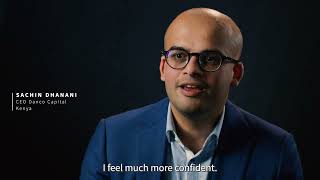
Meet the Seed Community
Together, Seed-trained entrepreneurs, volunteer business coaches, and Stanford student interns are impacting lives. Hear about their stories of struggle, success, and transformation.

The Problem Solvers

Enabling Change

Adapt and Learn
Tune into Seed’s Podcast
Hear about the unique challenges entrepreneurs face and gain insights from Stanford faculty in Seed’s podcast, Grit & Growth.
