Quote
I want to positively impact global security so it doesn’t lead to people being displaced and being put in situations like I saw in 2016.
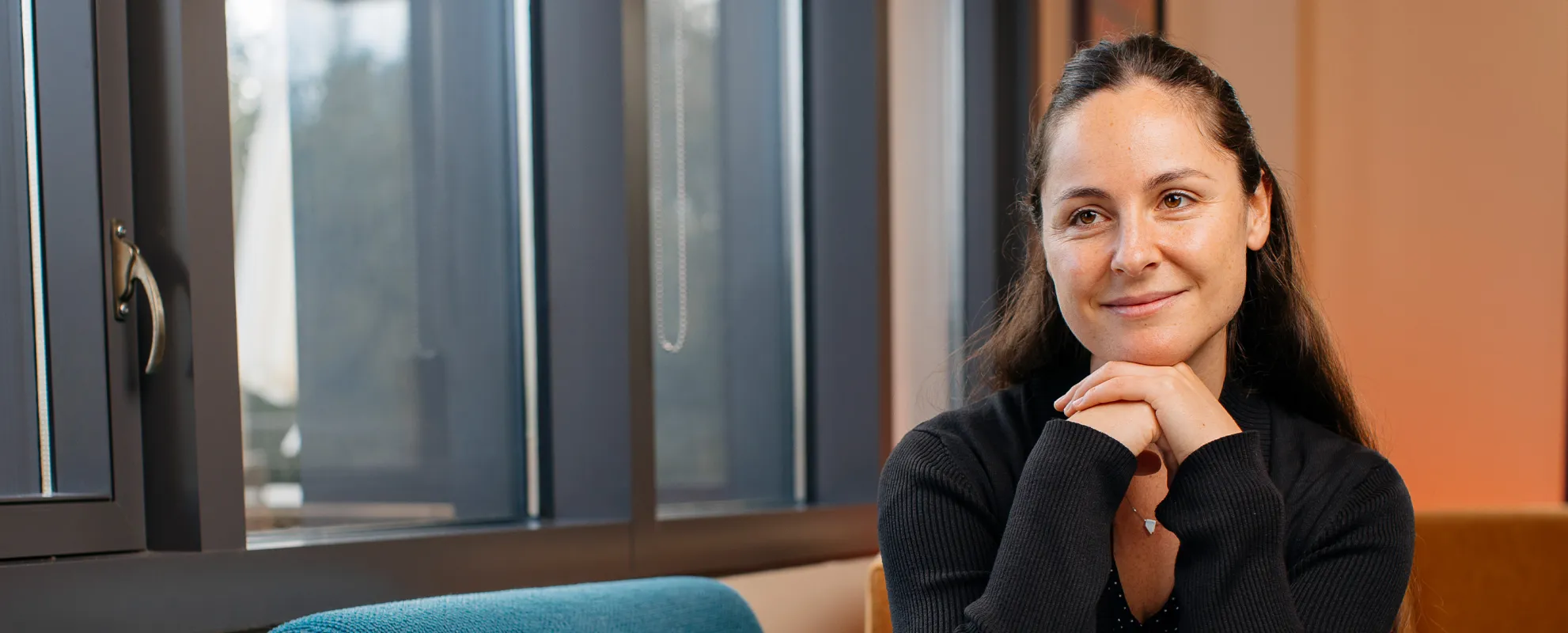
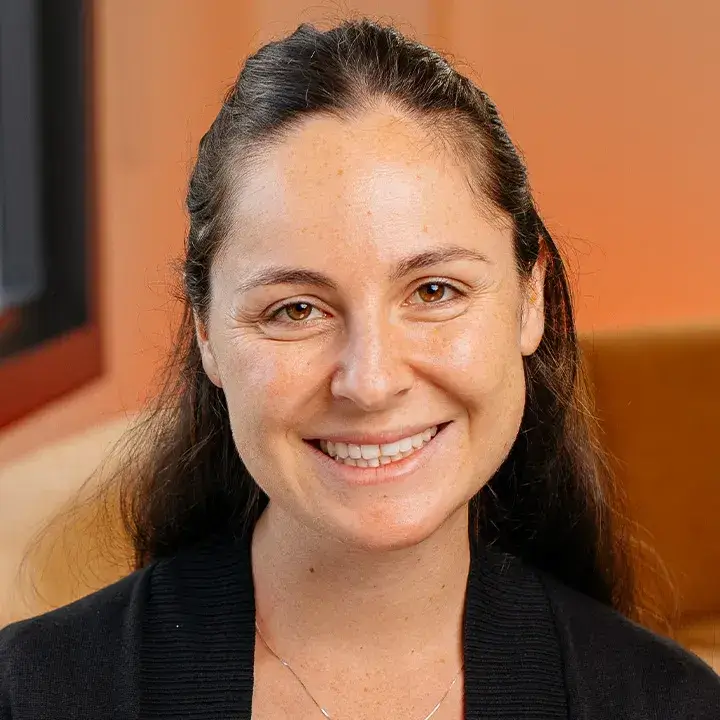
During her six deployments as a surface warfare officer aboard the USS Robert Smalls, MBA candidate Alexis Opferman helped the ship’s captain oversee operations and commanded approximately 20 sailors, many with much more naval experience than she had.
“That is a leadership crucible like no other,” says Opferman, who has continued her service as a naval reservist during her time at Stanford GSB. “I made a lot of mistakes but the sailors who were part of my division were understanding and willing to learn with me. I feel grateful for having that opportunity to lead at such a young age and be shaped by some really incredible people.”
I was the officer of the deck, which is the captain’s representative on the bridge responsible for controlling the ship and managing all of the operations. It was a high-pressure job, and I learned so much.
I wanted to test if that was really what I wanted to do. So part of coming to GSB was being exposed to all of the different possibilities. I tested whether I wanted to stay on the national security or public sector side. I exposed myself to different things, like private equity and venture capital, and looked at small business opportunities. In the end, those experiences brought me back to my focus on national security and the public sector. I’ve since signed with McKinsey out of their D.C. office and am looking forward to doing defense and public sector work.
A lot of my plans are shaped by an experience I had working in refugee camps in Greece during the 2016 crisis. I saw how government instability impacts people, particularly displaced people. I ultimately made the decision that going to business school could prepare me with the skills to positively impact global security so it doesn’t lead to people being put in situations like I saw in 2016.
One mentor from my previous job at the Pentagon was particularly good at encouraging me to be bold. He encouraged me to speak my mind and disagree when I felt strongly about something. He also encouraged me to be bold in the steps I take, and getting out of the military was one of those steps. I could have stayed within the known, and there’s a lot of comfort in that, but he knew getting out would ultimately take me where I want to go.
When people say “Thank you for your service” I think I should thank them as a taxpayer for allowing me this service. I learned so much and had so many opportunities, so staying in the reserves is a way for me to give back. I’m with a unit here in Silicon Valley, and my shipmates are all incredible people. I’m exposed to different worlds through all of them. I’m learning different problem-solving approaches from my classmates at the GSB and can bring those insights back to the Navy and innovate.
My first-year core classes were challenging because I hadn’t previously had exposure to topics like finance and accounting. I just put my head down and studied, and I got a lot out of those core classes. Interpersonal Dynamics has also been challenging for me. I think of it as a workout. It’s not necessarily pleasurable while doing it, but in the end I’m learning how to act on empathy and communicate under tension. Those are invaluable skills.
I want to be known as someone who isn’t afraid to engage in conversation with people who disagree with me, and as someone who is reliable and sure-footed. It’s also important to me to show up when you say you’re going to show up. You have to be disciplined about it. That’s a lifelong commitment to my classmates.
I run almost every morning, and I appreciate that’s possible with the Stanford climate. My other hobby is skiing in Tahoe. My partner and I have gotten into skiing over the last couple of years and enjoy hitting the slopes with classmates.
Photos by Elena Zhukova