Secure Your Future, Then Explore It
Our Deferred Enrollment program allows eligible students to apply now and secure a spot in a future MBA class. Once admitted, you have the freedom to spend one to four years gaining professional experience — taking risks and building your career with the confidence that Stanford is waiting for you.
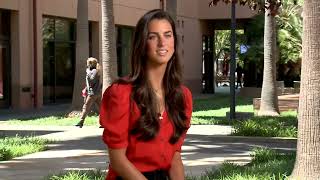
Lexi Henkel MBA ’23
Tune into a recent podcast episode featuring Christine Friedman, a director of MBA Admissions at Stanford Graduate School of Business. In this insightful conversation, Christine dives into the details of the Deferred Enrollment option at Stanford GSB, an opportunity designed for students who want to secure their spot in a top MBA program before gaining full-time work experience.
You’ll learn about what the program entails, who it’s designed for, how to prepare a strong application, and why deferred enrollment might be the right path for you.
Key Benefits
Deferred enrollment is designed for students without full-time work experience to:
- Pursue opportunities that enable you to build expertise, enhance your skills and knowledge, expand your perspective, and develop professional judgment and self-confidence.
- Explore an industry (or two) before earning your MBA if you are unsure about your long-term professional path, especially if you are a college senior
- Prepare for certain industries which tend to recruit MBA candidates who have pre-MBA work experience or specialized knowledge in that field.
Who Should Apply
We welcome applications from all studies and majors, including STEM, humanities, and business. Students at Stanford GSB come from diverse personal, educational, and professional backgrounds.
What We Look For
We seek the most promising students in terms of our three evaluation criteria: how you think, how you lead, and how you see the world. We realize that our applicants are at different points in their professional journeys, and we will evaluate your accomplishments within the context of your experiences.
You are eligible for deferred enrollment if you meet one of the following criteria:
Eligibility

You are a college senior.
You are in your final year of a bachelor’s degree or a joint bachelor/graduate program, and your degree will be conferred between October 1, 2026, and September 30, 2027.

You are in a graduate program.
- You began a master’s degree, PhD, law, or medical degree in the academic year immediately following an undergraduate or undergraduate/graduate program.
- You did not work full time (other than internships or co-ops) before starting the graduate program.
- Your degree will be conferred between October 1, 2026, and September 30, 2027.
Graduate students should apply in the final year of their graduate program.
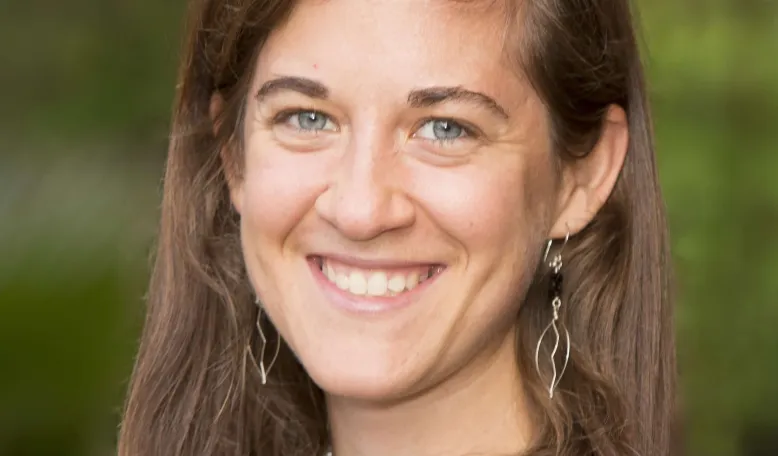
Elizabeth Shribman, MBA'15

Ellen Liu, MBA'19

Karl Skare, MBA ’13

Supriya Hobbs, MBA ’18

Pulkit Agarwal, MBA ’20
Still Have Questions?
We offer many opportunities to engage with current students, alumni, and the MBA admissions team. If you are thinking about applying, we invite you to either attend a general admissions event or search for an event tailored to deferred enrollment candidates.