Quote
I’d scaled a company, but I’d never had the chance to learn management skills — it was time to go to the business school classroom.
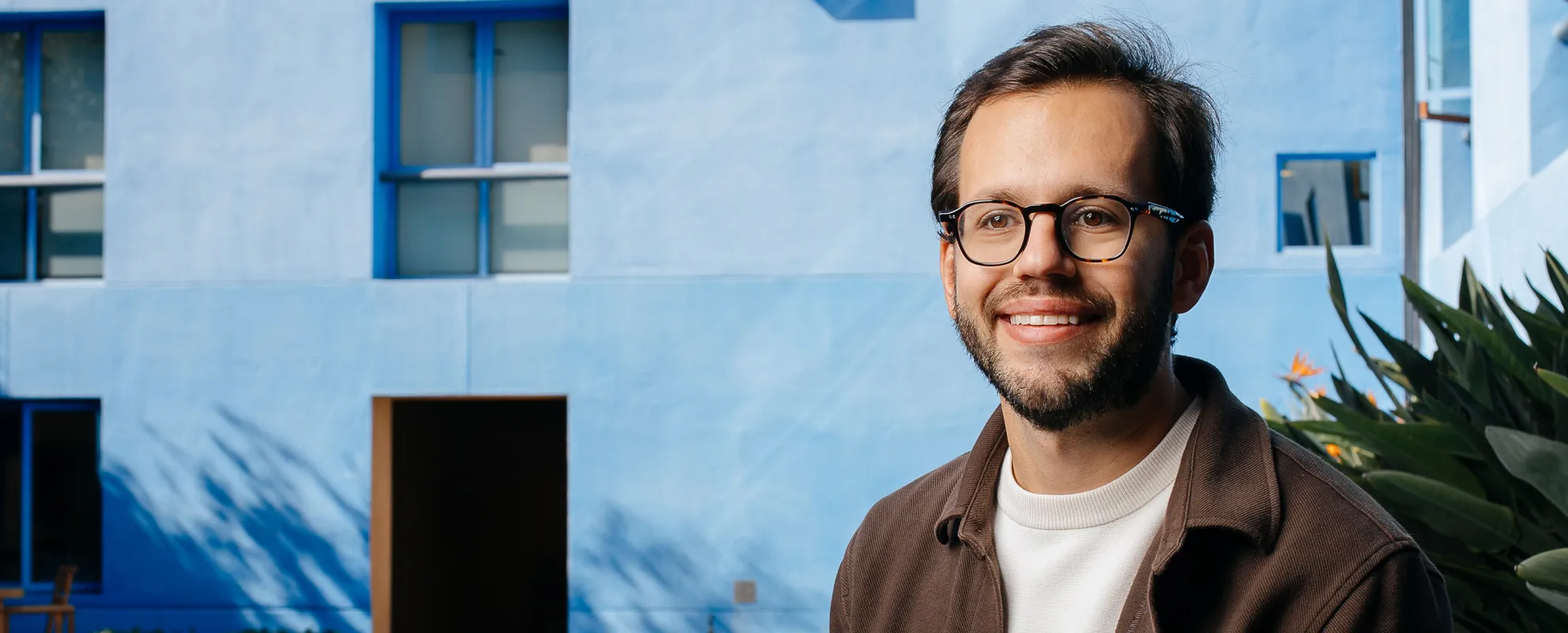

Bernardo Precht was a year from completing a medical residency in São Paulo, Brazil, when he realized he wanted to make a change.
“I became frustrated with medicine, the system, the scale where I couldn’t deliver care, and about my role models who were 20 years ahead of me,” says Precht, who at the time was also running Beyond Medicine, a medical business that he co-founded and later sold. “I didn’t want their lives. So I started to think: What would make me happy?”
Precht found that he was happiest building and scaling his medical business. That insight led him to the Stanford MSx Program to gain the finance, management, and leadership skills needed to help him move forward in his career.
Beyond Medicine started with a mentoring business and grew into a software business where we mapped out a methodology to help medical students prepare for tests. We then built solutions that evolved into scalable products to help doctors navigate their careers.
Everything about the sale was a challenge. I was working 60 to 80 hours a week at the hospital and working on Beyond Medicine between shifts. I’d never sold a company before so I didn’t know what to expect or how best to prepare. The learning curve was steep, but, like many things in life, I just jumped in and made it happen. Negotiations took more than a year, and we more than doubled the size of the company during that time. The experience was exciting and rewarding, and I look forward to building a company again.
The high-level discussion is about how AI will replace physicians. I believe AI will replace some healthcare professionals and create efficiencies. For most of my time as a surgeon, I wasn’t operating; I was doing tasks AI could handle: taking notes, filing paperwork, and managing prescriptions. We need to find the sweet spot between what machines do better and where humans still need to be on the front lines.
I’d scaled a company, but I’d never had the chance to learn management skills — it was time to go to the business school classroom. I wanted to develop the skills that are going to prepare me to grow and lead a business. I need to know how to raise capital and deal with advisors, boards, and even C-level executives.
Currently, I’m exploring venture ideas with my classmates. I don’t know where it’s going to lead, but just having those conversations has energized me and inspired me to think outside the box. I believe the future holds a lot of opportunities for someone experienced in healthcare and business.
I don’t just want a great business opportunity. I want a meaningful business opportunity that improves people’s lives. It’s hard to find a combination of both, but for me, it’s not negotiable.
If I’m going to deliver impact, the best place to start is in the place that needs it most. Brazil needs a new business initiative that is going to improve people’s lives.
Microeconomics and Finance. The courses were straightforward, but my starting point was miles behind the average starting point. I had to learn so many basic concepts. In my previous positions, I looked to colleagues to provide expertise on those topics, but it was critical that I learned them for myself.
Conversations in Management. The professor was amazing, and the course had a perfect balance between outlining frameworks, creating role plays, and facilitating leadership development.
Stanford opens doors that you didn’t even imagine existed. I’m helping organize a conference called Brazil at Silicon Valley. It’s the biggest conference for Brazilian tech leaders, entrepreneurs, and venture capitalists outside of Brazil. It’s a great opportunity to give back and make connections.
My wife is a pediatrician who built a medical education company for pediatricians, and she has a partner who is taking care of the company while she’s in the U.S. Partners often make sacrifices so that their significant others can attend the program. However, we have loved our Stanford experience so much that my wife is now applying to the MSx Program. We’d both be thrilled with that outcome.
My most memorable meal is the Thanksgiving dinner we had with MSx classmates during a trip to Sequoia National Park. We were a group of international students who didn’t know all the American customs, but we were committed to making a traditional Thanksgiving dinner.
Dream bigger.
Photos by Elena Zhukova