Quote
The GSB is great at encouraging people to examine their past decisions and share their vulnerabilities.
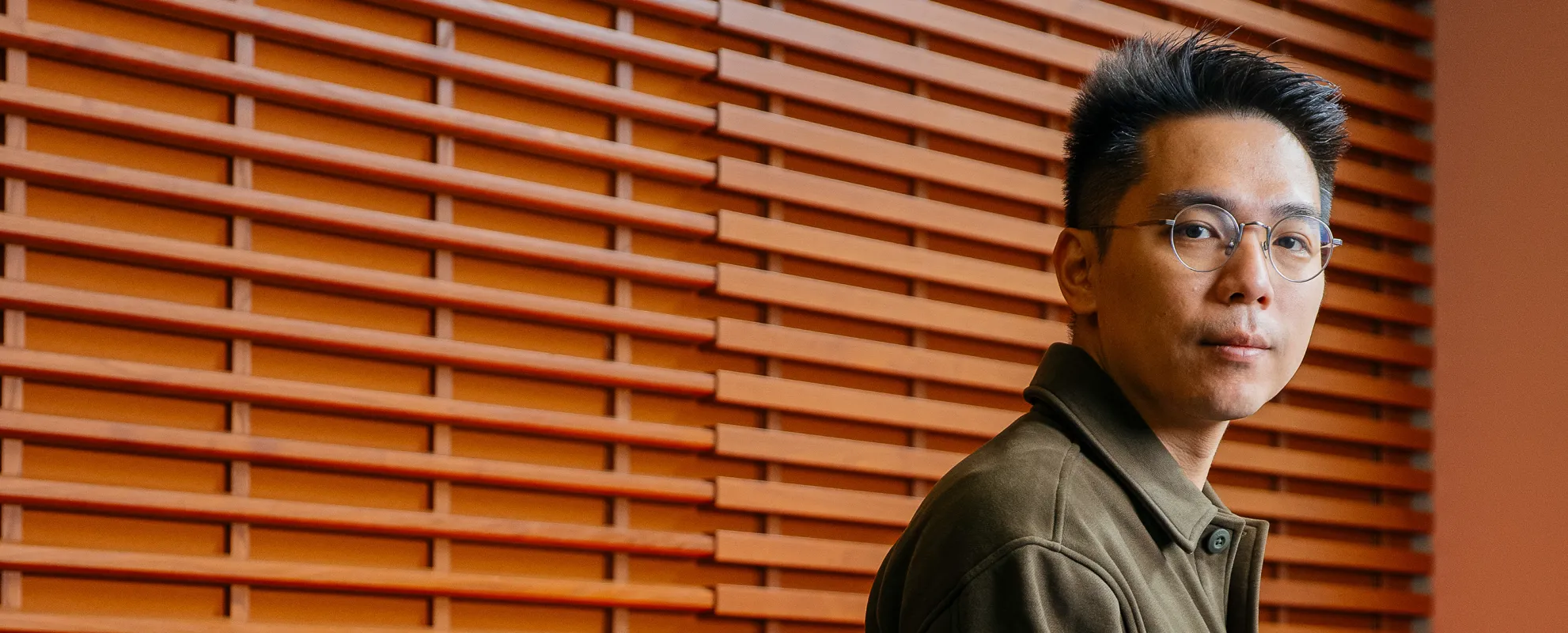
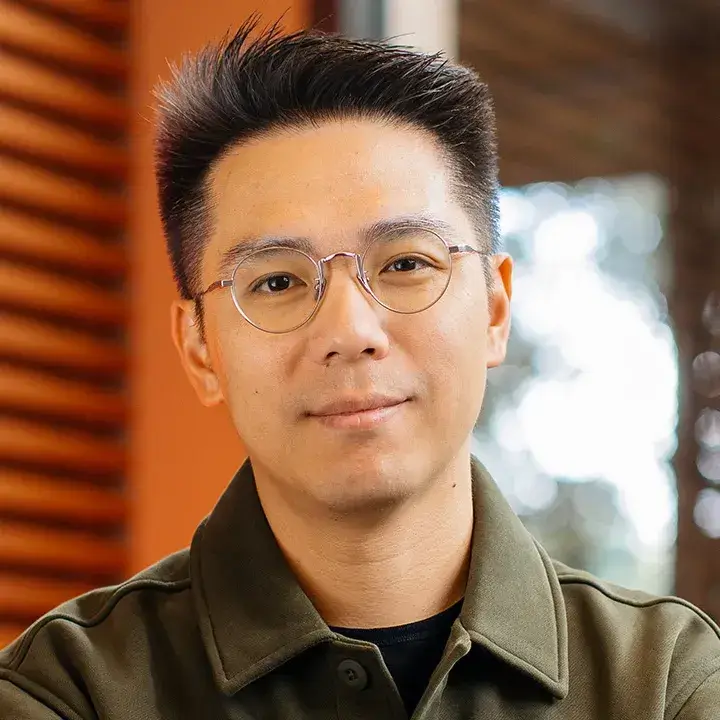
Ning “Neo” Zhang came to Stanford’s MSx Program from his C-suite role at Zhihu, a Chinese social media platform. Throughout his career, he’d found success by focusing on technology and data rather than on people skills. His experience with the MSx Program has helped shift his perspective.
“Before the GSB, I believed that if you’re smart enough, if you have expertise, you can own the room,” says Zhang. “But after meeting so many brilliant people at the GSB, I realize interpersonal skills and the willingness to collaborate are also essential skills. People come first, then ideas. If your ideas don’t work out, then you can work with fellow collaborators to create new ideas. That’s one of the biggest lessons I’ve learned at the GSB.”
I enrolled in the MSx Program to explore what AI can do for business and society, but as I got involved in the GSB and the broader Stanford community, I deepened my scope. I’m focused on more specific issues, basically trying to turn human conversations into business insights that can drive returns for stakeholders. The next step in my career is to build a company around AI technology to serve industry and businesses.
I’m thinking about building an AI agent for multifamily leasing businesses. We’re trying to capture conversations from real estate showings, and then extract useful insights so property owners can leverage the data to either optimize their price or investing decisions, or coach their leasing agents. At its core, I see AI as a “translation machine” that turns messy, unstructured conversations into structured, actionable signals. We can significantly improve asset returns.
My company was preparing to go public. To prepare for an IPO, you need to collect and create materials. I was the head of strategy for the company, and I thought, if I could write a book based on what I learned, it would actually be good PR for the company. I like writing, and the process helped me organize my thoughts and prepare for the IPO.
Copying is risky if you don’t know your industry and you end up only competing on price. My career experience is primarily in China, where you compete on margins. U.S. companies compete on quality, service, and how you build your brand to cater to a certain niche in the market. That’s a much smarter business approach. The GSB helped me realize that critical differentiation.
Strategy Beyond Markets is a political science course, and it was challenging because it focuses on U.S. politicians and legislation. As an international student, I had to learn the basics about the U.S. government, but I really enjoyed the challenge.
Operations. That course teaches you the fundamentals to understand operations, supply chain management, and inventory management. I found the models helped me put my thoughts together and understand nuances. I also took the Angel and Venture Capital Financing for Entrepreneurs and Investors elective. I came in debating founder versus investor, and the course made me firm on being a founder.
I’m involved with the AI Club and the Entrepreneurship Club. Those two clubs are the most relevant to my career goals. There’s also a really good lineup of guest speakers to share industry practices. I always learn a lot.
I’ve become more confident. I’ve also become more extroverted. When you share your story with classmates and even make people laugh at your past, you stop hiding from it. Before coming to the GSB, I had imposter syndrome. I’d rethink my decisions and conversations. But the GSB is great at encouraging people to examine their past decisions and share their vulnerabilities. That’s a great strategy to prepare for the future.
One line in ChatGPT’s response stuck with me: “It increases your surface area for luck.” I’ve felt that serendipity here. For example, a spontaneous trip to Vegas is where I met my future co-founder.
It was a big decision to come to the GSB. I am in my early 40s, and I left my family, friends, and career back in China. However, the experience has been worth it. You meet people who are both different and similar to you. You meet people at the same stage in their careers. There’s so much to learn and share with each other. People say the GSB is transformative. To me, it’s magical.
Photos by Elena Zhukova