A Renewed Focus on Geoeconomics
For many years, geoeconomics was studied primarily in political science and international relations and neglected by the economics profession, according to research by Matteo Maggiori, the Moghadam Family Professor of Finance at Stanford GSB, and coauthors. Now, with the rising global focus on geoeconomics and new quantitative tools to evaluate trade-offs, geoeconomics is becoming a prominent field of economics research.
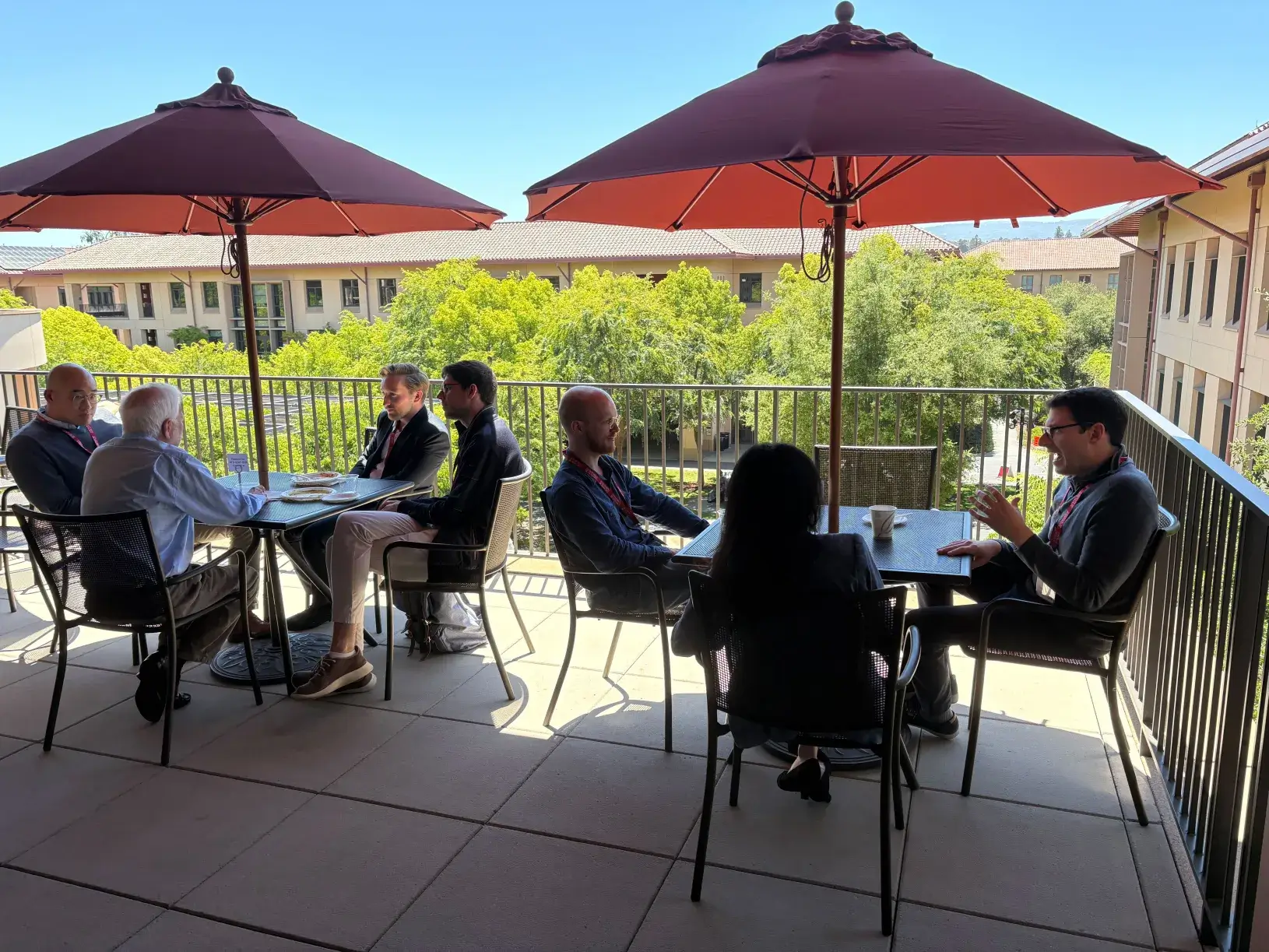
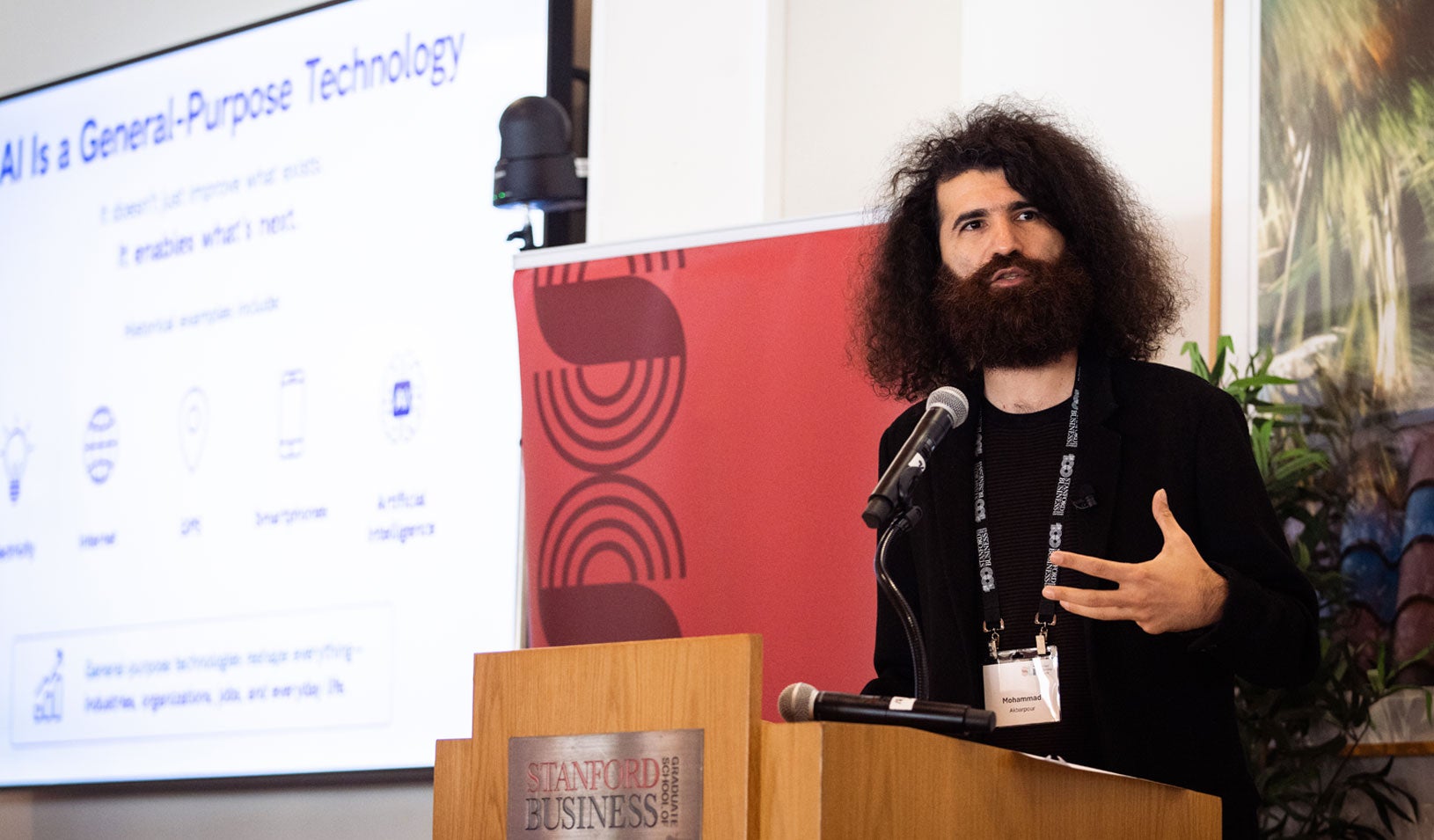
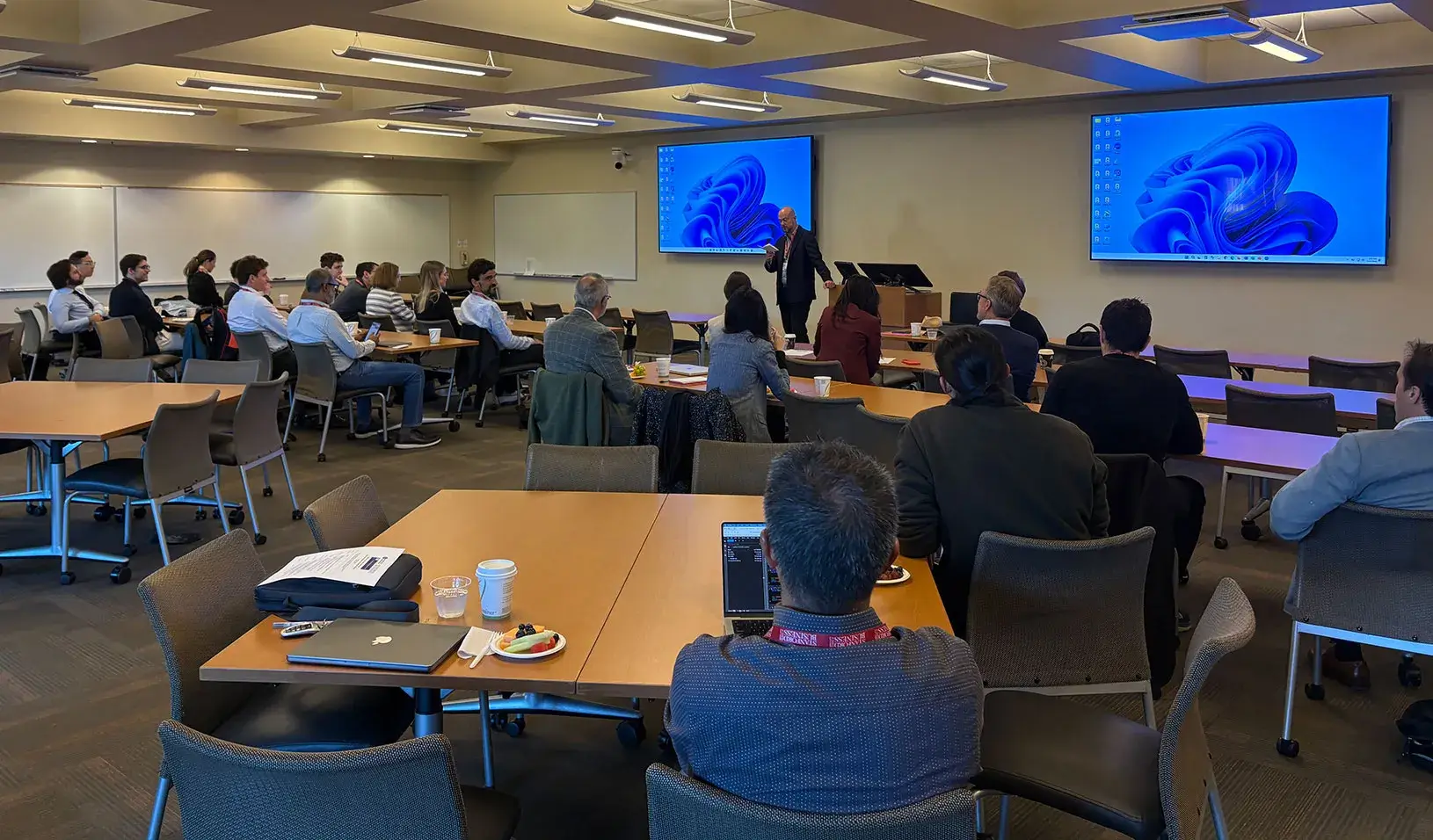
A community of researchers are working to equip policymakers and business leaders with the frameworks and evidence needed to navigate a world in which economic relationships and geopolitical strategies are deeply intertwined. The Stanford Leadership Institute and the Global Capital Allocation Project (GCAP) invited scholars who are committed to advancing understanding of geoeconomics to two conferences at Stanford GSB this year in connection with special issues of the Journal of International Economics (JIE) and the Review of Financial Studies (RFS).
Geoeconomics, Trade, and Macro Policy
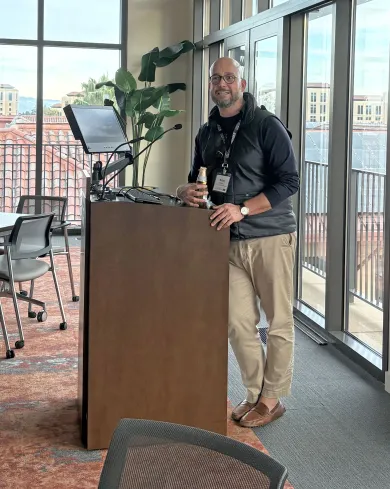
The JIE-GCAP-GSB Conference on Geoeconomics took place on February 27–28, 2026. Organized by Jesse Schreger of Columbia University, Jeff Frieden of Columbia University, Réka Juhász of the University of British Columbia, Carolin Pflueger of the University of Chicago, and Christoph Trebesch of the Kiel Institute, the conference brought together researchers from international trade, macroeconomics, political economy, and political science to discuss research on a wide variety of sub-topics in geoeconomics. Presented papers are being considered for a special issue of the Journal of International Economics, with Matteo Maggiori serving as guest editor. View the full agenda.
Geoeconomics and Finance
The RFS-GCAP-GSB Conference on the Geoeconomics of Financial Markets took place on May 15, 2026, organized in partnership with a special issue of the Review of Financial Studies edited by RFS Executive Editor Tarun Ramadorai of Imperial College London and RFS Editor Anna Pavlova of London Business School. Program chairs Matteo Maggiori, Jesse Schreger, Christopher Clayton of Yale School of Management, and Chenzi Xu of UC Berkeley assembled a program that examined how geopolitics is reshaping global capital markets, bond markets, banking systems, and currency competition. View the full agenda.
An Ambitious Goal
These publications and the caliber of scholars assembled around this issue reflect the field’s growing importance in the economics profession. The research efforts showcased across these gatherings share a common ambition: to bring the full toolkit of modern economics to questions that have major consequences for global prosperity and stability.