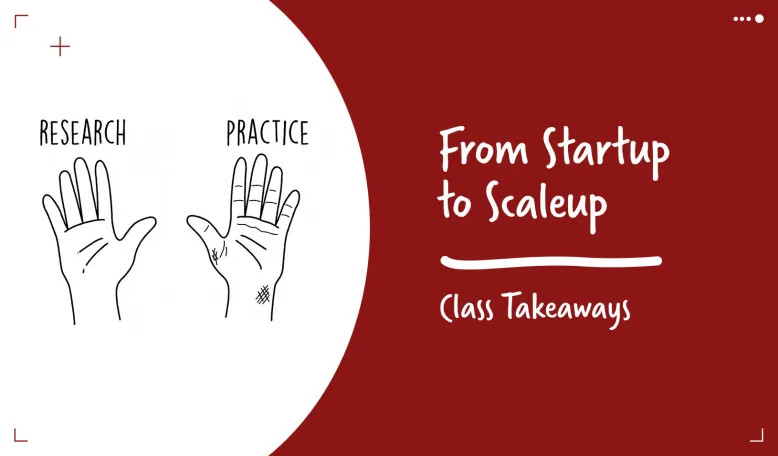
Class Takeaways — From Startup to Scaleup
Five lessons in five minutes: Professor Hayagreeva “Huggy” Rao shares why the company you start won’t be the same company you scale.

A Decade of Data Shows Latino Entrepreneurs Growing and Adapting
The 10th annual State of Latino Entrepreneurship report finds continued growth and a new focus on AI and sustainability.

Your Company Is on a High-Growth List! It May Not Be There Next Year.
Why only a fraction of the firms that get onto high-growth rankings stay there.



Search Funds Show Strong Performance in Acquisitions and Returns
Investors continue to prosper as funds proliferate, says report.
See Also Innovation
How new ideas are generated and transformed into products, processes, or services.