AI Could Predict the Next Financial Crisis — But There’s a Catch
How regulators could use the predictive power of AI without injecting new risks into the financial system
What If We’re Looking at the National Debt All Wrong?
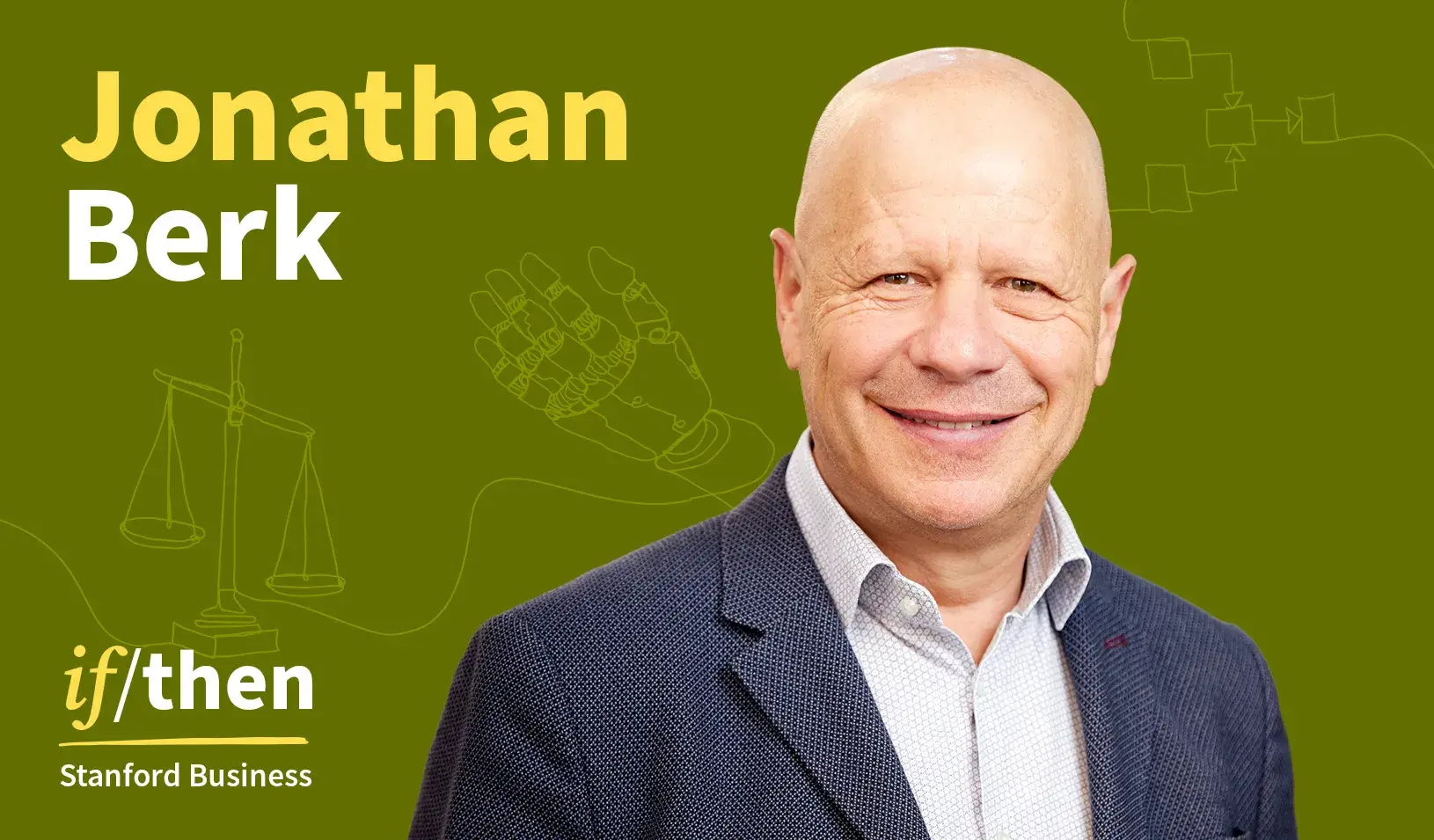
Jonathan Berk says that focusing on the debt-to-GDP ratio is a distraction.

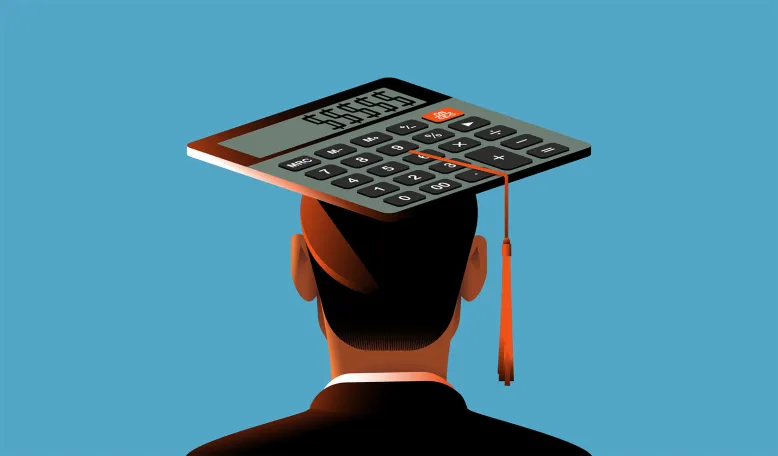
What If Student Loan Payments Were Tied to Your Paycheck?
Income-based repayment plans lead some borrowers to scale back their incomes, but the benefits outweigh the costs.

Why Wall Street Is Booming While Main Street Is Stagnating
New research finds that major U.S. corporations are growing by buying up their competitors rather than generating new ideas.
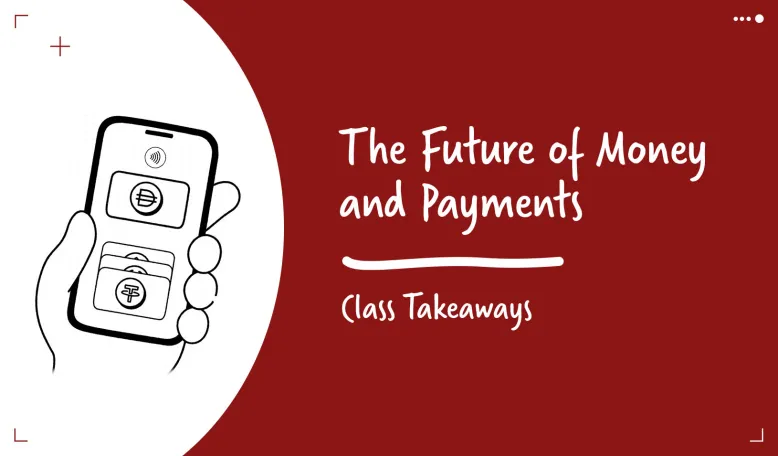
Class Takeaways — The Future of Money and Payments
Five lessons in five minutes: Professor Darrell Duffie explores the technologies reshaping how we send and receive money.

The Democratization of Private Equity Could Create a “Systemic Risk Machine”
Opening private markets to retail investors comes with substantial risks for everyone involved, argues Amit Seru.