
This Could Change How You Think About Every Decision You Make
The outcomes of different choices are connected, and understanding those connections can transform how we search for the right job, the right market, or the right strategy.

Great Company Culture Is More Than Creating a Nice Place to Work
Glenn Carroll and Jennifer Chatman share research-based truths about organizational culture and how to change it.
You have to have a level of empathy, especially at a leadership level, to show people that you care.
—Rokhaya Ndiaye, CEO and founder of Ro&Partners
From Downsizing to Thriving: Strategic HR in a Global Context
Idea Stories Opensearch


Idea Stories Opensearch

Idea Stories Opensearch
Video
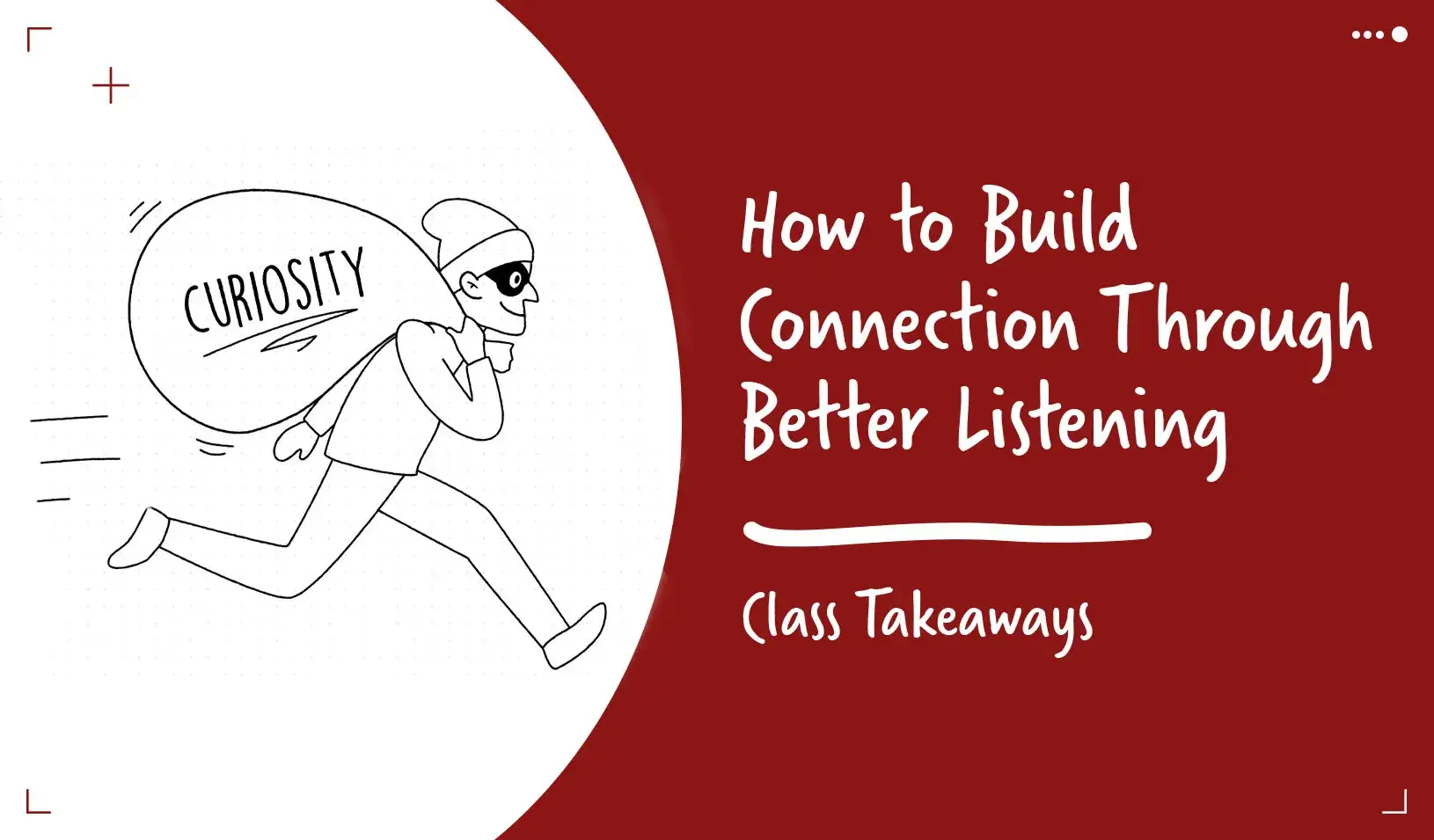
Class Takeaways — How to Build Connection Through Better Listening
Five lessons in five minutes: Professor Christian Wheeler shares how to have deeper, more productive conversations.
Executive Education
Programs Opensearch


Latest Stories in Leadership & Management
Idea Stories Opensearch
November 04, 2019
Written
Narcissistic CEOs Weaken Collaboration and Integrity
Some may be bold leaders, but they create a dangerous corporate culture.

October 08, 2019
Audio
Ruth Porat: Invest for the Long Term
On this podcast episode, Ruth Porat, senior vice president and chief financial officer of Alphabet and Google, talks about how education and flexibility propelled her finance career.

October 01, 2019
Audio
Ray Dalio: Seek Out Thoughtful Disagreement
On this podcast episode, the founder of Bridgewater Investments discusses how an idea meritocracy can improve decision-making.

September 26, 2019
Video
Ryan O’Melveny Wilson: Balancing Innovation and Tradition
A family restaurant business honors its past while eyeing the future.

September 24, 2019
Audio
Dara Khosrowshahi: Driving Change at Uber
On this podcast episode, the CEO of Uber talks with students on how choosing a career path based on people, not job titles, makes a difference.

September 20, 2019
Video
Arnulfo Ventura: What Matters Most?
For the CEO of Beanfields, it’s the people.

September 17, 2019
Audio
Oscar Munoz: Learn to Listen
On this podcast episode, the CEO of United Airlines discusses managing mergers and developing emotional intelligence.

September 09, 2019
Written
How Much Does Management Matter to Productivity?
More than you might realize. Research finds management practices account for 20% of variation in productivity among certain firms.

September 04, 2019
Audio
Michael Moritz: Look for Unexpected Opportunities
On this podcast episode, the Sequoia Capital partner discusses the top two challenges facing the tech industry: identifying promising companies and promoting diversity.

August 28, 2019
Audio
Phil Knight, MBA ’62: Never Give Up
On this podcast episode, the chairman emeritus of Nike discusses the roots of his competitive drive.

August 19, 2019
Written
Presence, Structure, Performance: 5 Tips to Improve Your Public Speaking
Our experts’ tips on small changes that can make or break your next presentation.

August 16, 2019
Audio
Diane Von Furstenberg: The Most Important Relationship You’ll Have Is the One With Yourself
On this podcast episode, Diane Von Furstenberg, founder of the DVF clothing line, discusses the importance of character in bouncing back from setbacks.

May 29, 2019
Written
What Climbing Expeditions Tell Us about Teamwork
A new study mines decades of mountaineering data to measure how groupthink fares against top-down leadership.

May 29, 2019
Written
A Prognosis for Primary Care
With outpatient treatment on the rise, could better teamwork guard against error — and the accompanying malpractice suits?

May 20, 2019
Written
Bridgewater Investments Founder Ray Dalio: Invest in Idea Meritocracy
The investment icon says a system of thoughtful disagreement creates competitive advantage.

May 03, 2019
Written
Five Common Communication Mistakes (And How to Fix Them)
Learn how to be more effective at your next meeting or presentation.

April 24, 2019
Written
Roger McNamee: “Facebook Is Terrible for America”
Facebook’s loudest critic says social media profits by manipulating consumers.

March 15, 2019
Written
Businesses Behaving Badly: The State of Corporate Scandal in 2019
Expert panelists put corporate wrongdoing in its broader context.

March 12, 2019
Video
Sequoia’s Michael Moritz: Look out for “the Unexpected”
The venture capitalist explains why you don’t need to be a tech expert to see potential.

March 06, 2019
Written
Can a Giant Company Behave Like a Startup?
Stanford GSB faculty reveal the art of engineering entrepreneurialism within existing organizations.

March 01, 2019
Video
Networking Minds for Open Innovation
The spark needed to ignite your next idea may be half a world away.

February 22, 2019
Video
Startup Success Secrets
Many startups fail in the early stages. The reason? Often it’s people problems.

February 14, 2019
Written
Phil Knight on the Controversial Kaepernick Ad and Nike’s Never-Give-Up Attitude
“It doesn’t matter how many people hate your brand as long as enough people love it.”

February 08, 2019
Written
Don’t Let Artificial Intelligence Pick Your Employees
A Stanford GSB scholar shares why algorithms aren’t sophisticated enough to make these strategic decisions ... yet.
