Organizations

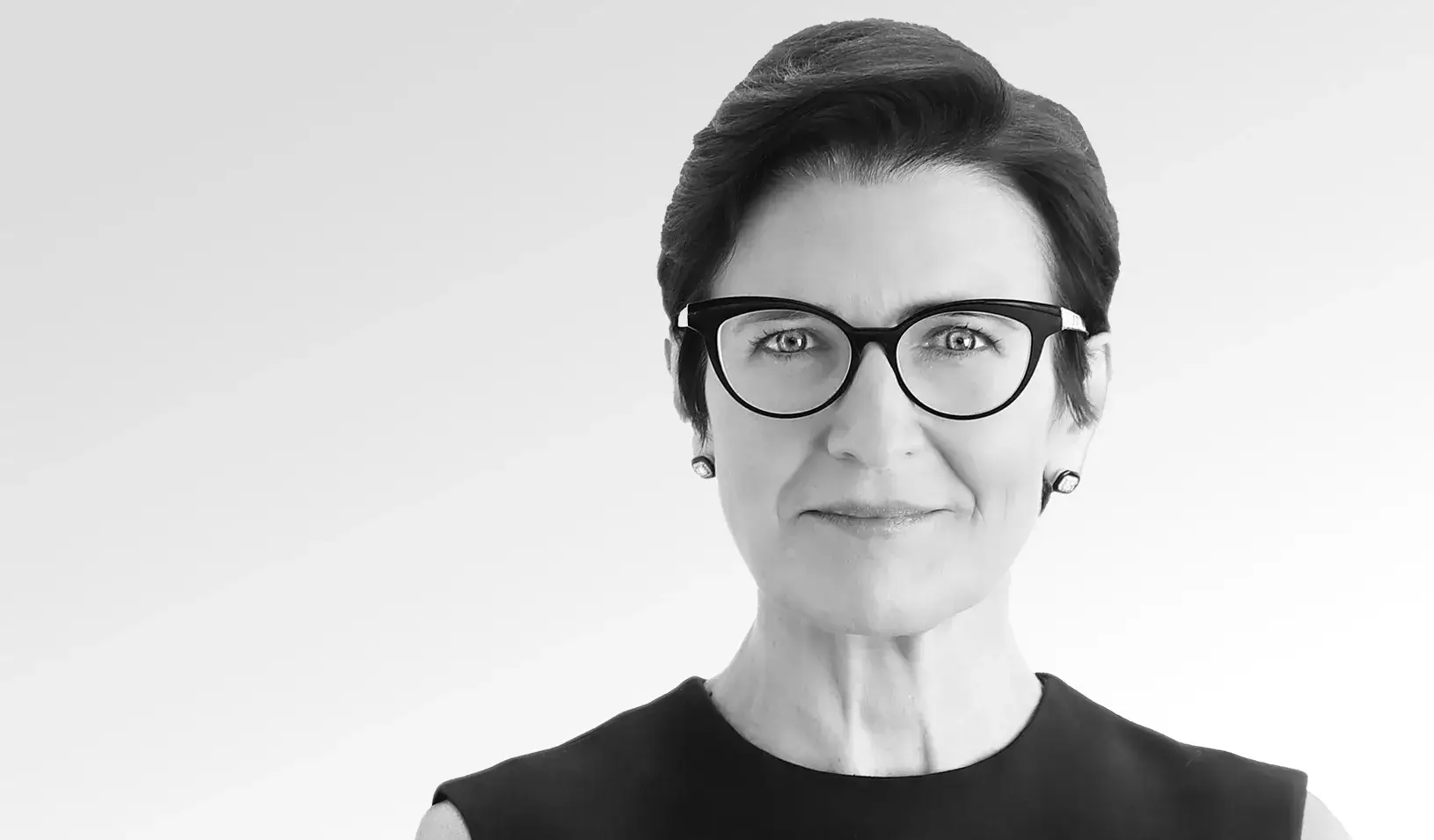
Jamie Dimon, the chairman and chief executive officer at JPMorgan Chase & Co
Whether shareholders benefit from a separate chairman and CEO depends more on context than on corporate structure, David F. Larcker and Brian Tayan find.
Stanford Closer Look Series -
04.16.13
In this case study, David F. Larcker and Brian Tayan examine the debate over whether to combine or separate the chairman and CEO roles.
Denise Brosseau
The CEO of executive talent agency Well-Connected Leader discusses the value of directness, living on the edge, and knowing when to say 'we' and when to say 'I.'
Stanford Ignite students collaborating on a project
Stanford GSB offers its first Europe-based Stanford Ignite program with École polytechnique in September in Paris.
Graduate students from around Stanford use this dedicated space to try out start-up business ideas, and learn from them.
Mitchell Elegbe, CEO of Interswitch Ltd
The for-profit sector steps up to play its role in Africa’s economic development.
Fahd Al-Rasheed
A conversation with the CEO of the company that's developing Saudi Arabia's new King Abdullah Economic City.
Mana RUTF package
A new study finds that a different approach to food-relief efforts in the developing world could save more lives.
The Financial Times -
02.13.13
Dean Garth Saloner and Stanford MBA students travel to Antarctica to investigate the business issues surrounding climate change.
EFMD - The Management Development Network -
02.12.13
Stanford Graduate School of Business Dean Garth Saloner discusses why and how business schools must change if they are to serve their students and society well.

Pages

Jamie Dimon, the chairman and chief executive officer at JPMorgan Chase & Co
Whether shareholders benefit from a separate chairman and CEO depends more on context than on corporate structure, David F. Larcker and Brian Tayan find.
Denise Brosseau
The CEO of executive talent agency Well-Connected Leader discusses the value of directness, living on the edge, and knowing when to say 'we' and when to say 'I.'
Stanford Ignite students collaborating on a project
Stanford GSB offers its first Europe-based Stanford Ignite program with École polytechnique in September in Paris.
Graduate students from around Stanford use this dedicated space to try out start-up business ideas, and learn from them.
Mitchell Elegbe, CEO of Interswitch Ltd
The for-profit sector steps up to play its role in Africa’s economic development.
Fahd Al-Rasheed
A conversation with the CEO of the company that's developing Saudi Arabia's new King Abdullah Economic City.
Jessica Herrin
The founder of Stella & Dot discusses leadership, emotional intelligence, and an "angel in a cowboy hat."
Cover Photo: "Painting with Numbers"
In a new book, a Stanford GSB alum explores how to successfully present numbers.
Photo of 2012 GSB graduates applauding
John Morgridge shares his “Rules for the Long Road” during the Stanford GSB's annual diploma ceremony.
photo of MRI
Abbott’s John Capek discusses health care device regulation, transparency, and the critical relationship between physicians and their patients.

Pages

Mana RUTF package
A new study finds that a different approach to food-relief efforts in the developing world could save more lives.
Anat Admati, professor, Stanford GSB
How, and why, Stanford's Anat Admati took on the banking system.
Man working at home with child on his shoulders.
New research says working from home boosts employee happiness and productivity.
Call center employee
A new study finds good middle managers add to workplace productivity.
Brain scan, face in profile
Professor Baba Shiv discusses how you can coax risk-averse managers to innovate.
Military Procession
New research shows we sometimes prefer hierarchical relationships over equal ones.
artwork for anger/threats story
Negotiators gain more concessions with cool threats than with heated words.
photo illustration of man looking guilty
Stanford GSB researchers find that how people respond to mistakes can be a "clue to who they are.”
David Larcker photo
Given the pervasiveness of social media, should the board of directors pay closer attention to the information exchanged on these sites?  Can this information be used to improve oversight and risk management?
David Larcker photo
David F. Larcker and Brian Tayan at the Corporate Governance Research Program examine succession plans, what a board can do if the market reacts positively to the death of its CEO, and whether the board should revise its succession plan if its CEO engages in risky hobbies or lifestyle habits.

Pages