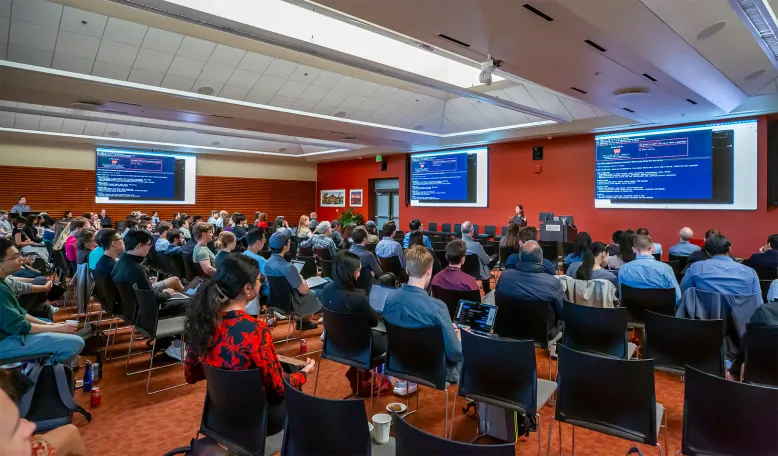
Why AI Makes This ‘The Most Exciting Time to Be a Social Scientist’
A recent workshop explored research advances AI has made possible — and why this may be the best moment in a generation to do empirical social science.

Paper Cuts: Quick Findings and Ideas from Stanford GSB Insights
Debt and doubt, roast chickens, fighting poverty, and more bite-sized research stories.

How AI Can Change the Way Police Talk to People
Jennifer Eberhardt’s innovative research on the language of policing shows the potential for data to make a difference.

Language Lessons: How LLMs Are Transforming Research
Stanford GSB faculty are using AI to analyze text at unprecedented speed and scale.

Small Retailers Need More Than Tech to Adopt Digital Payments
An experiment in Mexico finds that tech support can help merchants and consumers make the switch from cash.

Using Data Science to Get Food and Volunteers Where They’re Needed Most
Researchers helped VolunteerMatch and Feeding America improve the algorithms behind their work.

A Concrete Step Toward Reducing Industrial Carbon Emissions
New research challenges the assumption that cleaning up cement production will come with steep cost increases for consumers.




Career Advice: How to Connect with Gen Z
Reduce intergenerational cringe by keeping it shorter and snappier.