July 31, 2025
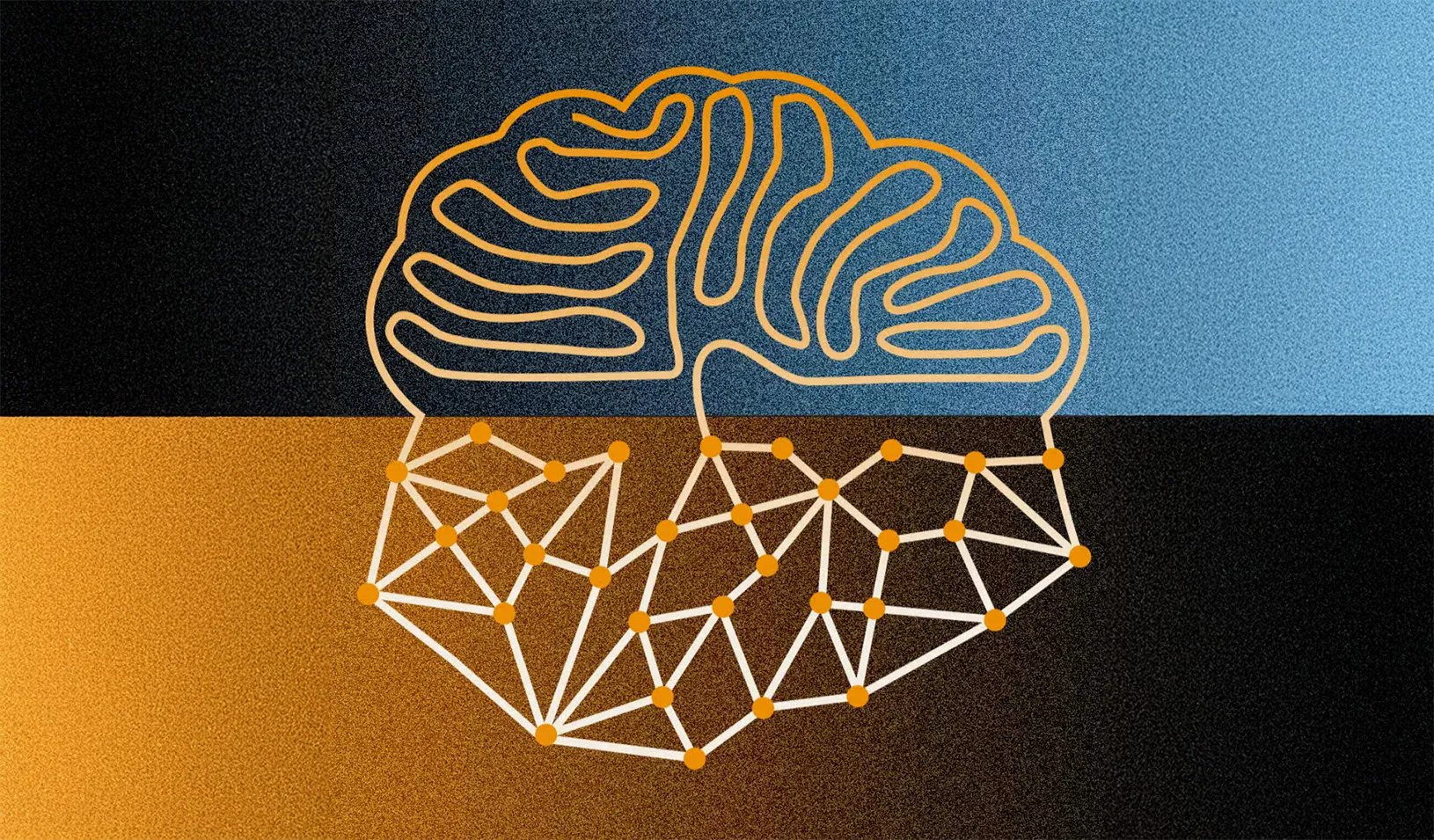
| by Whitney LeggeAI is rapidly transforming the way we live and work. And with so much scope and promise, it can be easy to think that the advance of AI means we’ll all be out of jobs. But there’s another way of framing the future. AI complementarity is the idea that artificial intelligence tools can — and should — enhance human capacity.
Erik Brynjolfsson, a professor of economics and of operations, information and technology at Stanford Graduate School of Business, and his colleagues set out to understand how an AI tool might change someone’s experience on the job. They looked at more than 5,000 customer support agents who had access to a generative AI-based assistant trained on millions of service request transcripts. While agents chatted with customers, the assistant gave them real-time recommendations on how to best respond.
Brynjolfsson and his team found that access to the AI tool helped workers resolve 14% more issues per hour. What’s more, novice and low-skilled workers experienced a 34% improvement. By analyzing massive quantities of information, AI did what it does best, which in turn allowed the customer service team to do what it does best: help other people.
As the drive toward AI-enhanced workplaces accelerates, Stanford GSB professors underline that business leaders need to prioritize humans in their decision-making.
“We don’t have much work — yet — that takes design of the human-AI interface really seriously,” says Jann Spiess, an associate professor of operations, information, and technology. “Our debate about AI and the capabilities of AI is really misplaced, because it’s all about ‘Is the AI better than the human?’” he continues. “I think instead we should be asking, ‘What are the complementary uses of AI?’”
Adds Kuang Xu, also an associate professor of operations and technology, “The bottom line is that AI and data science are supposed to help you drive better decisions. Always.”
Watch this short explainer to learn more.
Full Transcript
Note: Transcripts are generated by machine and lightly edited by humans. They may contain errors.
Some things just go together. Peanut butter and jelly, coffee and cream, salt and pepper, humans and artificial intelligence? AI is often portrayed as our rival, a relentless force that will compete with people and take our jobs. But what if we designed AI so it works with us, not against us?
AI complementarity is the idea that artificial intelligence tools can and should enhance human capacity. Let’s consider an example. Researchers studied more than 5,000 customer support agents who had access to a generative AI-based assistant, trained on millions of service request transcripts. While agents chatted with customers, the assistant gave them real-time recommendations on how best to respond.
Agents who used the chatbot were more productive and were more successful in resolving customers’ problems, and they were less likely to quit their jobs. By analyzing mass quantities of info, AI did what it does best, allowing people to do what they do best, help other people. This is just one example of how AI could be a collaborator, not a competitor. And if business leaders choose to center people in their decision making, AI could make us more productive and more creative.
For media inquiries, visit the Newsroom.