

We believe that thriving small and medium-sized enterprises (SMEs) drive long-term ripple effects on people, policies, markets, and economies, and serve as the key force behind lasting, inclusive economic prosperity. That’s why we deliver world-class business training and a suite of ongoing resources, including expert coaches, seasoned consultants, and Stanford student interns, to accelerate the growth and amplify the impact of SMEs across Africa, South Asia, and now Indonesia. While transformative effects can’t be measured overnight, we invite you to explore a snapshot of the impact we’ve witnessed.
To Date, Seed Has Partnered With:

2,577
Entrepreneurs

6,102
Team Members
Building Thriving Businesses
Designed for every step of the entrepreneurial journey, Seed’s four programs help businesses thrive — growing revenues, talent, and purpose.


Seed Transformation Program
The Seed Transformation Program (STP) is our flagship 10-month leadership program that helps established enterprises with annual revenue between $300,000 and $15 million USD scale for exponential growth.
- 94% of STP firms attribute business improvements during the program to the STP
- 29% median increase in revenues 1 year after completing STP (compared to the year before STP, reported in local currency)

Seed Transformation Network
The Seed Transformation Network supports leaders who have completed the Seed Transformation Program to continue to scale through ongoing learning, facilitated networking, and expert resources, such as coaches and consultants.
- 73% of leaders reported benefitting from the Seed Transformation Network
- 87% report high impact from Seed’s coaching, consulting, and intern programs

Aspire
Aspire is a six-month online leadership and management program that helps small, growing companies with revenue between $20,000 and $300,000 USD formalize their business structures and professionalize their operations to drive growth.
- Aspire firms report a median annual revenue growth rate of 20% following the program (reported by Seed’s partner, African Management Institute, in USD)
- 76% of Aspire companies show positive revenues after completing their program

Seed Spark
Seed Spark is a five-month online training program that helps early-stage startups (pre- and early-revenue) create and clarify their go-to-market strategy, grow their network, and boost their business acumen.
- 92% of early-stage companies that completed Spark within the last 3 years are still in business
- 42% of Spark startup secured funding after the program
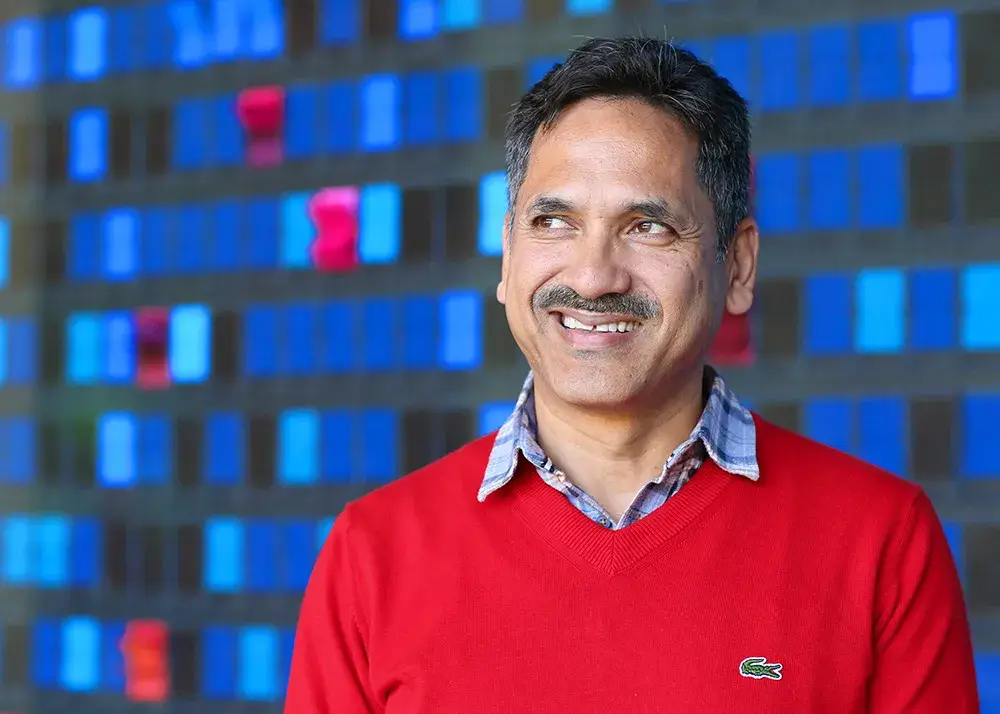
“My own journey with Stanford Seed has been nothing short of life-changing. It’s reshaped how I lead, how I think about scale, and how I build a company that strives to make a lasting impact. The lessons, the network, and the clarity of vision continue to fuel everything we do at Gallant Sports. It’s hard to put into words, but this really is my tribe—and every time we meet, the spark just gets stronger.”
— Nasir Ali, Founder & CEO, Gallant Sports, India
Seed Entrepreneurs by Region
Africa and Asia
Seed program participants make an impact across 43 countries spanning two continents.
This visual is designed solely to reflect participant presence across regions. The boundaries and names shown and the designations used on this map do not imply official endorsement or acceptance by Stanford University, Stanford Seed, or its affiliates.

Data on All Leaders and Women Leaders reflects participants in Spark, Aspire and STP through 2024. Data on Jobs Added, Revenues Added and Capital Secured reflects non-extrapolated impact data that is self-reported by STP companies through the Class of 2024. To protect anonymity, STP impact data is not disclosed when there are fewer than five companies in a country’s dataset.
“A lot of my women employees were not working before. They were dependent on subsistence farming. The children were not going to school. Now they have this source of livelihood. Now children are getting to go to school. They’re able to open a bank account. Now they can save. I’ve seen homes transformed. That empowerment that comes with being able to be the mistress of your own destiny is so great to see.”
— Olufunto Boroffice, CEO, Chanja Datti, Nigeria

Percentage of Seed Leaders Who Report Contributing to United Nations Sustainable Development Goals:
Seed Is on Track to Deliver on Its 2030 Success Goals:*
*All data is cumulative
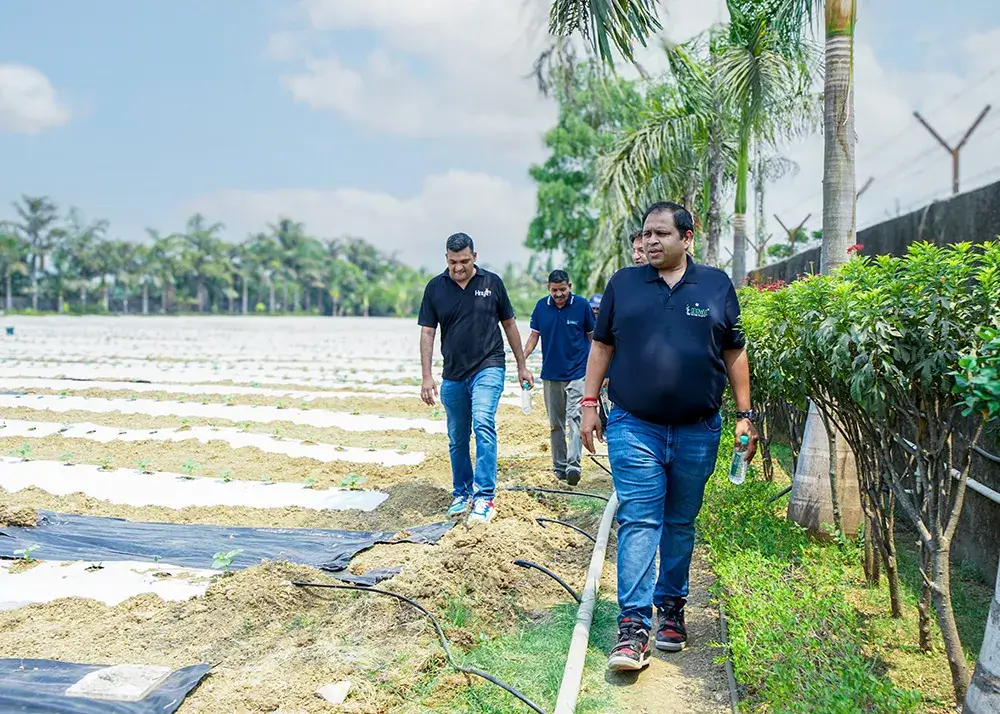
“When we started the program, we were about 100 people. Today, we are almost 160-170 people…that’s a huge team that we have now.”
— Saurabh Agarwal, Founder & CEO, GROWiT India Pvt. Ltd., India

“I think what really changed my mindset was realizing that I could use the opportunities and the intelligence I was given to make an impact in the communities that matter most to me. Working with Stanford Seed gave me the chance to return to Ghana, to connect with my roots, and to contribute to a business owned by my own people. That meant everything to me.”
— Roman Scott, B.S., Systems Engineering ’24, Stanford Seed Intern
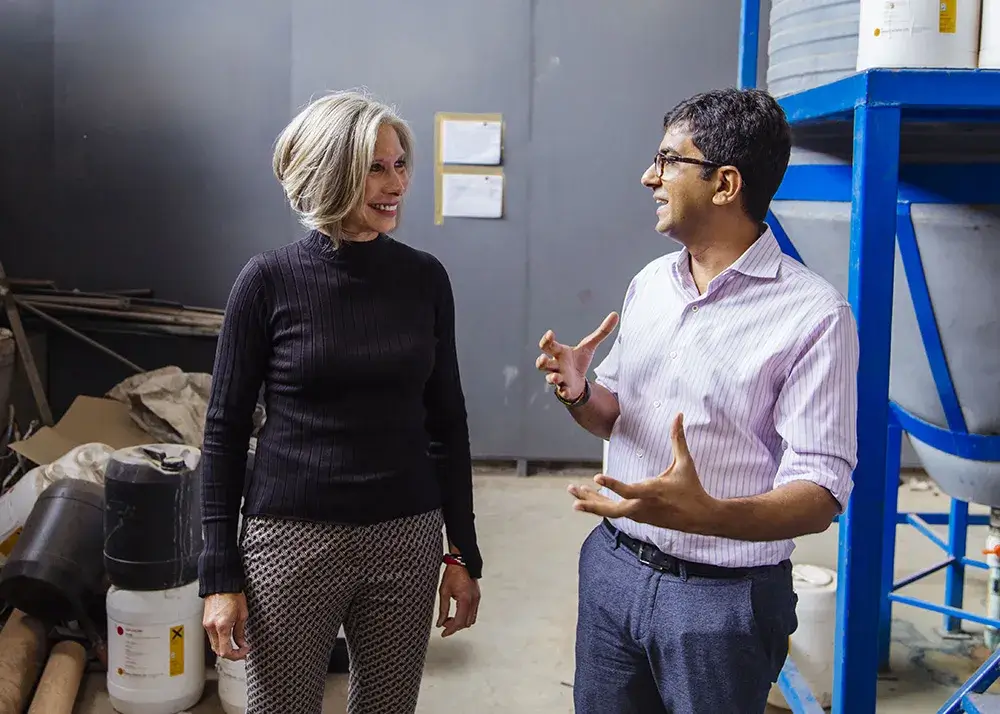
“Working with Laurie was an amazing experience. She’s an extremely supportive coach, and she helped in enabling me to, not necessarily question my decisions, but also reinforce them as well and make the right decisions. And her guidance, especially on the HR recruitment front has been invaluable.”
— Shabbar Jagani, Managing Director, Uneeco Paper Products, Kenya
