May 28, 2026
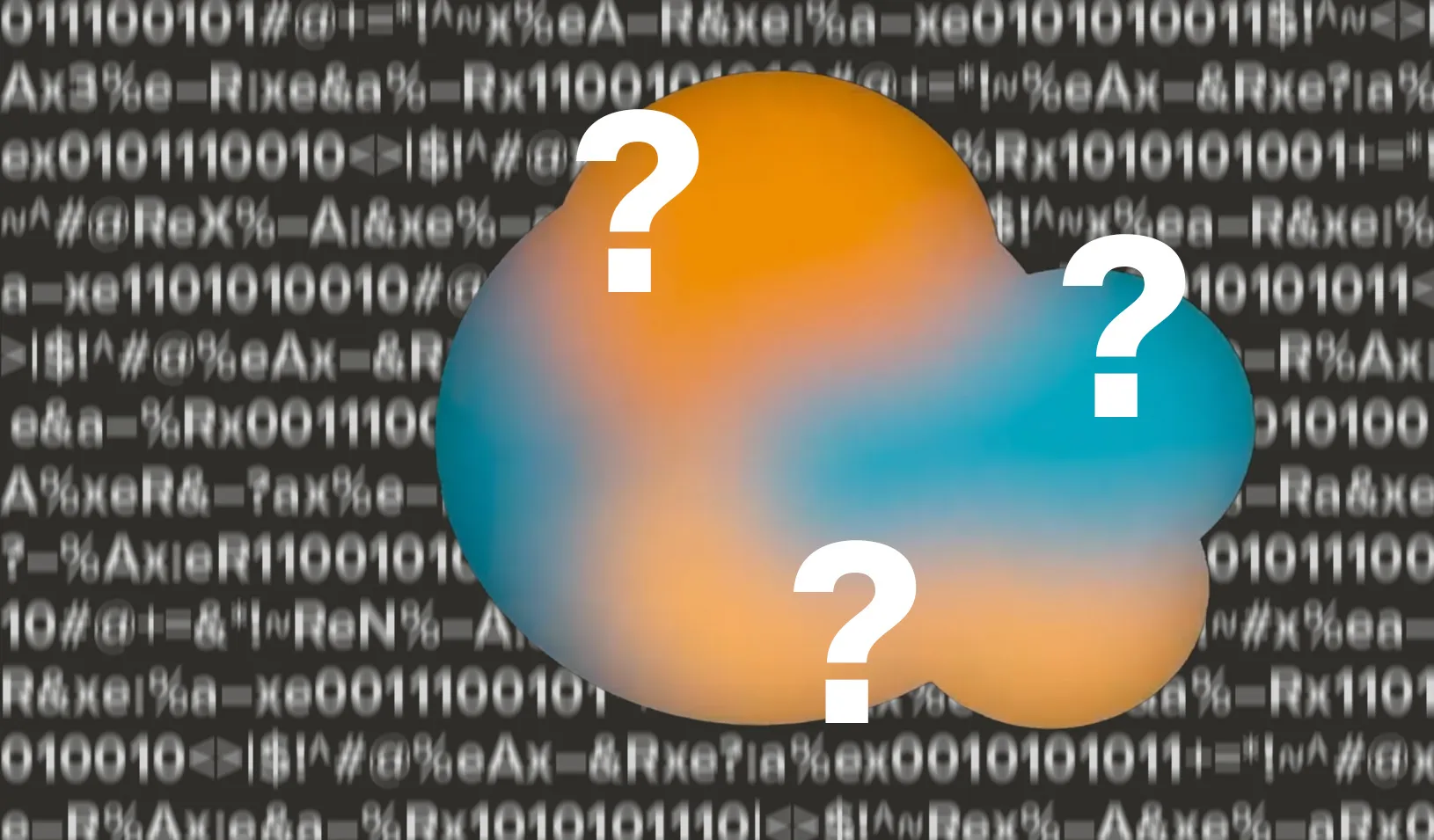
| by Whitney LeggeWe see what goes into AI models, and we see what comes out. But what happens in between can be a mystery — one known as the black box problem.
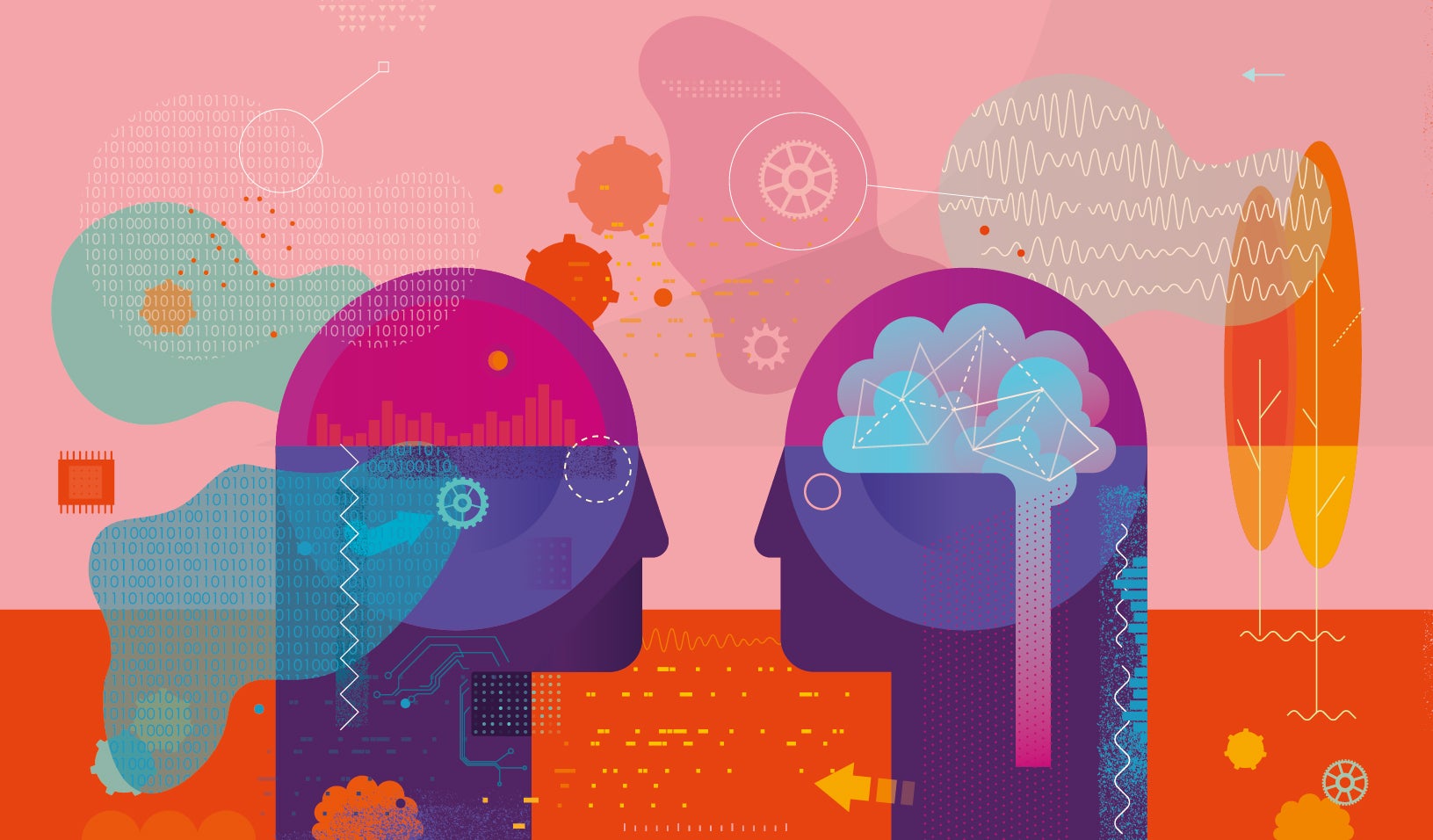
AI can crunch more data and sift more text than any human ever could, finding complex connections and correlations. But unlike human problem-solvers, whose reasoning can be articulated and examined, AI systems operate through layers of computation that may be difficult to interpret.
The more AI is used to inform decisions, the more important it becomes to understand where its answers come from — particularly when they’re guiding outcomes in areas such as housing, hiring, and healthcare. Researchers at Stanford Graduate School of Business are developing tools to explain AI’s decision-making, working to illuminate the black box and how it affects people.
Watch this short explainer video to learn more.
Full Transcript
Note: Transcripts are generated by machine and lightly edited by humans. They may contain errors.
Artificial intelligence can crunch massive quantities of text and data, leading to connections and creations that humans can’t make alone. Exactly how AI models do this can be elusive. When you ask a person to explain their thought process, they can. Artificial intelligence on the other hand, not so much.
We can see the information that goes in and comes out, but what happens in between is a mystery. This is known as the black box problem. It can pose significant issues, especially when AI models are tasked with making choices that impact people’s lives, like reviewing loan applications, or assigning hospital beds to patients, or screening job candidates for interviews.
Even if AI makes a reasonable choice, if it can’t explain why it made that choice, people may suspect it’s biased or just plain wrong. Researchers are working on AI that builds trust by explaining the why and how of its decision making, shining some light into the black box.
For media inquiries, visit the Newsroom.