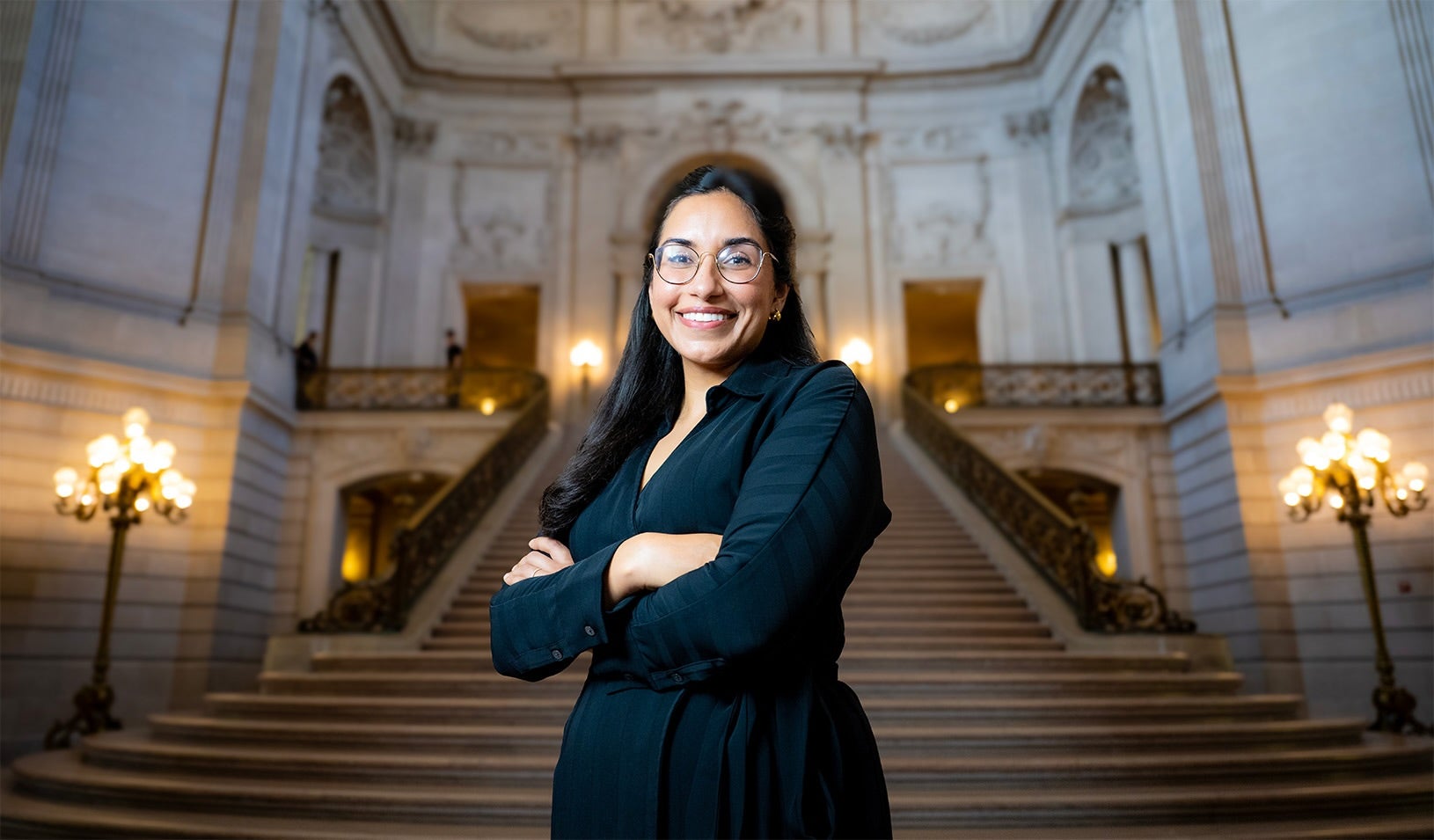
Alumni at the forefront of AI talk about how it’s changed their work — and how it could transform yours.
They build the AI apps you already use, back the companies racing to create new ones, and lead the teams that are figuring out where the technology will go next. We spoke with 10 Stanford Graduate School of Business alumni — some who have worked with AI for more than a decade — about how they’re using it, when it clicked for them, and how you can stay relevant in an AI-driven future.
Who We Talked To
Federico Antoni, MBA ’04: Managing partner, Hi Ventures; lecturer in management, Stanford GSB
Tomer Cohen, MBA ’10: Executive advisor and former chief product officer, LinkedIn
Sarah Friar, MBA ’00: CFO, OpenAI
Kate Jensen, MBA ’16: Head of Americas, Anthropic
Ravi Mhatre, MBA ’93: Co-founder and managing director, Lightspeed Venture Partners
Dominic Mirabile, MBA ’21: Co-founder and CEO, ReadyOn AI
Bruno Ruyu, SEP ’24: Co-founder and CEO, Teramot
Brandon Sammut, MBA ’16: Head of people, Mind Robotics
Jake Saper, MBA ’14: General partner, Emergence Capital
Steve Vassallo, MBA ’04: General partner, Foundation Capital
Did you have an “aha” moment when you realized AI was going to change your work, your industry, or the world?
Steve Vassallo: In those early days, 2008 through 2013, machine learning went from a cool toy — can you tell the difference between a chihuahua and a blueberry muffin? — to delivering real business value. Between 2012 and 2016, AI workloads had grown by more than 300,000x. And so that catches your attention. What was clear at the time was that this was going to be everywhere. How quickly it would infuse its way into the economy in all sorts of interesting and unexpected ways, I could have never predicted.

Tomer Cohen: The first aha moment was in the early 2010s, when AI was the backbone of how we made matchmaking happen at LinkedIn — for example, when connecting job seekers with employers. Then I had my own ChatGPT moment, only it was many months ahead of the market. It was roughly late summer 2022, and I got to see ChatGPT-4 alongside the top AI practitioners and researchers. At the beginning, everybody thought it was just a startup demo. But then we started using it and prompting it, and then there was a realization that this is real. Looking across the room, you could see people smiling, people being nervous, people in shock, people in awe. I’ll never forget that moment.
Ravi Mhatre: We invested very broadly in AI foundation model technology before it was really something that the tech industry was highly focused on. In 2022 or early 2023, we started studying the reference architecture for generative pretrained transformers. At some point, we said, “Hey, this isn’t like the smartphone or the cloud or even the internet, for that matter. This is probably going to be a more profound architecture change that is going to have wide implications.” For several months, we didn’t do any investing. We just said everybody is going to go learn and come back with how this is going to reform what they do.

Sarah Friar: My first aha moment came the first time I used ChatGPT. Like so many people, I immediately realized: This is different. You could suddenly interact with powerful technology in ordinary language and get something genuinely useful back. What followed was a series of additional aha moments as the technology moved from answering questions to helping people actually get things done.
Kate Jensen: I got a big report, and I put it into Claude, and it helped me very quickly figure out where to focus based on what I had told it that I cared the most about. It was this moment of, oh wow, this is going to be really helpful to digest a huge amount of information.
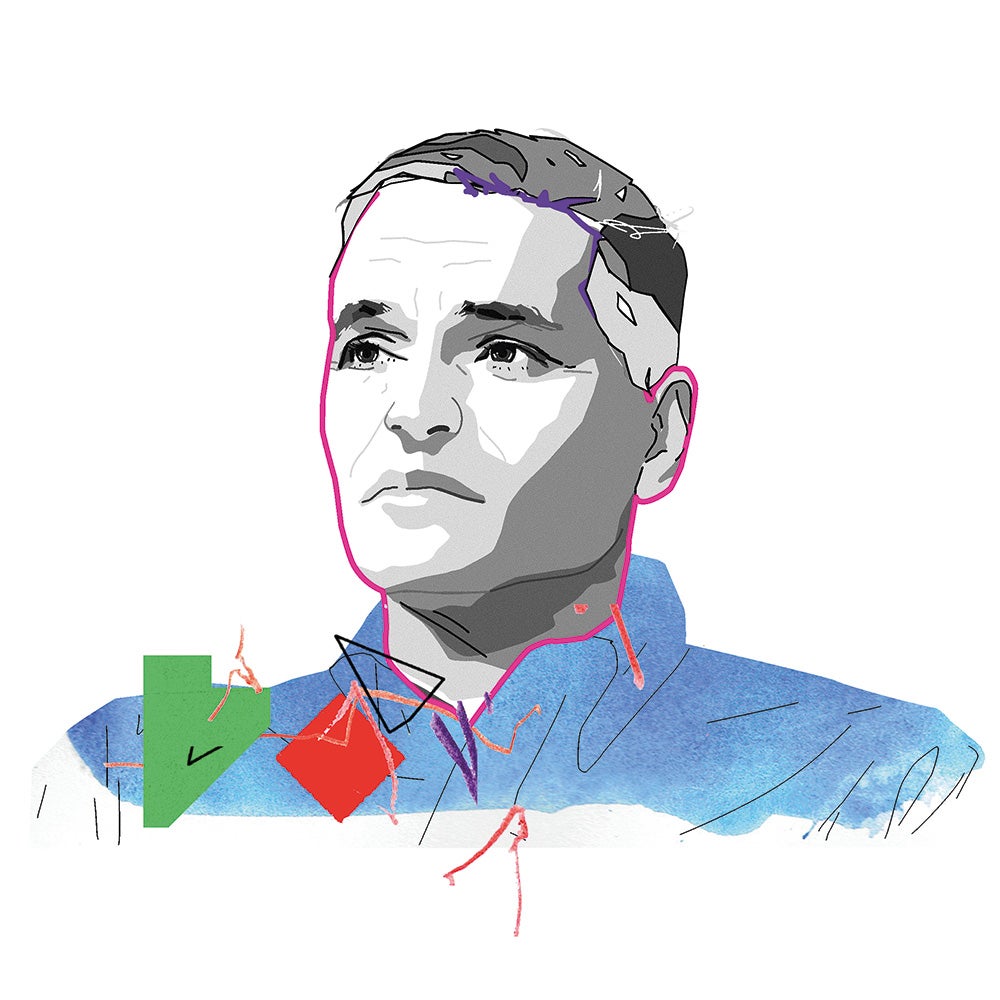
Bruno Ruyu: In 2021, I started testing OpenAI’s GPT, and two things struck me almost simultaneously. The first was that this tool had the power to entirely change how software is built. I watched the entire industry race in one direction — chatbots, copilots, assistants sitting on top of documents. But the real bottleneck in every large company I’d ever worked with was that the data was locked away in dozens of systems, requiring months of engineering work to make it usable. If this new technology could be pointed at that problem, it would finally let enterprises use their own information.

Jake Saper: In 2023, I made an investment in an AI-native service company that does mainframe modernization. They are doing a service an order of magnitude faster than their competitors, who were doing it all with people. I had this realization: “Oh wow, this is much bigger than this one company. This is going to be transformational for our entire economy. This should be the way services are done going forward.”
Brandon Sammut: I’ve had aha moments every year since 2023. Just over the last 12 months or so, the ability of AI to be given an outcome and to work intelligently on a plan to achieve it, that’s new. Remember two-plus years ago when it was all about prompting? Now the superpower, the metacognitive skill, that we care a lot about is being really precise about the outcome that you seek.
What specific problems are you and your team solving with AI that were previously difficult or impossible to address?
Bruno Ruyu: Everything you’ve experienced from AI so far, essentially, has been personal. It’s a productivity tool for individuals. But that’s the small version of this technology. That’s AI as an assistant to a human. The much bigger version — the one we’re building toward — is AI working for your company. Not as an assistant to one person, but as an intelligence that operates on behalf of the business itself. Imagine it thinking about your business 24 hours a day. That is a completely different vision of AI. And it’s what every CEO I talk to actually wants.

Kate Jensen: Our whole job is to go listen to customers, help them figure out exactly what problem they’re trying to solve, and then figure out how we can help solve that problem. Without Claude, we would never be able to operate at the scale and pace that we’re able to operate at, both in terms of the number of customers that we’re trying to talk to at any given time, how quickly they’re adopting different things, and also how fast Anthropic is releasing new products and new models.
Jake Saper: AI-native services is unique in the sense that we called it early and we named it. Eighty percent of America’s GDP is services-based. AI can now do a lot of that work. There are a lot of founders who have been starting to build with this model, but there are a lot of unanswered questions. So we’ve been writing an AI-native services playbook that’s a guide to founders on how to build in this emerging business model.
Steve Vassallo: On the investment side, where I spend the vast majority of my time, the value for us is seeing signals earlier. We’ve built always-on sourcing engines looking for prospective founders contributing to projects in Slack and Discord communities. These are very niche technical networks that most investors would not necessarily be exposed to. The founders we most want to meet rarely announce themselves; they’re often heads-down building and tinkering. We’re now picking up those signals much, much earlier than we could before. Inside the firm, everyone is experimenting. What will our AI operations look like a year from now? Likely very different. Things are advancing quickly, but that’s also what makes this moment exciting.
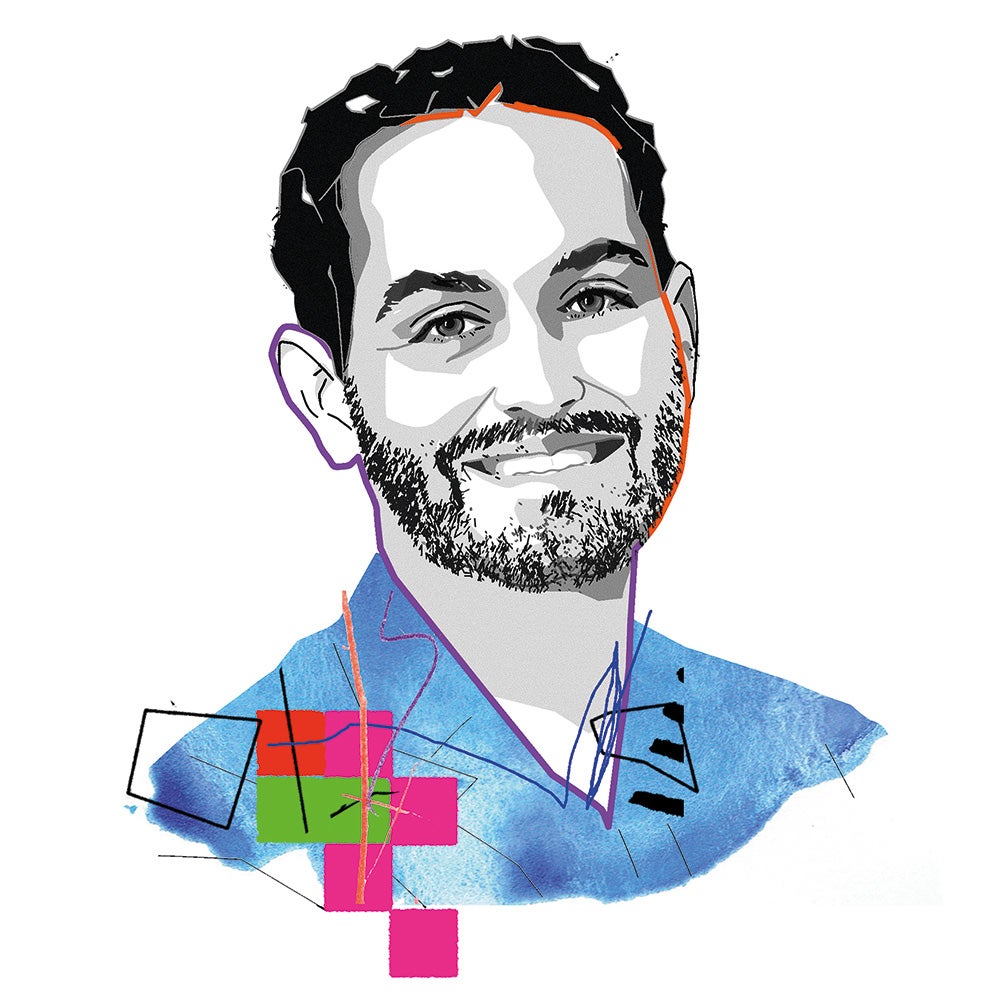
Sarah Friar: At one of our hackathons, we asked people a simple question: What part of your job do you least enjoy? Our investor relations team was spending evenings answering variations of the same diligence questions. In about half an hour, we built an agent grounded in our own materials that could prepare useful answers in seconds. That is when the value becomes tangible. It is not AI as a demo. It is AI making someone’s day actually better and easier.
Ravi Mhatre: The velocity of these markets has accelerated. For the kind of investing we do, I don’t think it would have been possible to scale and maintain or even improve our understanding of how companies are progressing. AI really enabled us to meet the technology industry where it is and where it is going. You need to use AI. It’s like the fifth man or woman on your team.

Federico Antoni: AI is handling some of the work that wasn’t as crucial for the investment decision — writing the memos, preparing materials, doing the due diligence — many things that took time out of our day. We can focus on the most important part, which is the human dimension. We can have more conversations with founders before investing. But you have to make sure that you don’t delegate your contrarian approach to investing to AIs.
Dominic Mirabile: We can do frontline labor matching at a much higher scale. We can match at a multirole level, multilocation, even at the level of an entire city. We have voice agents that use natural language to offer shifts, update the schedule, abide by union rules or labor laws. That gives managers hours back in their day. Our AI can reason and make trade-offs — finding the balance between cost and service. That’s the key to having all of America’s workforces run on autopilot.
What emerging AI capability or trend are you most excited about in the next 6 to 12 months?
Federico Antoni: Definitely agents. The first group of agents that we’ve been implementing internally have been doing specific tasks and have the context and memory that an employee would have. We’re thinking about building very capable entities that will help us with external relationships, helping us manage investors and founders.
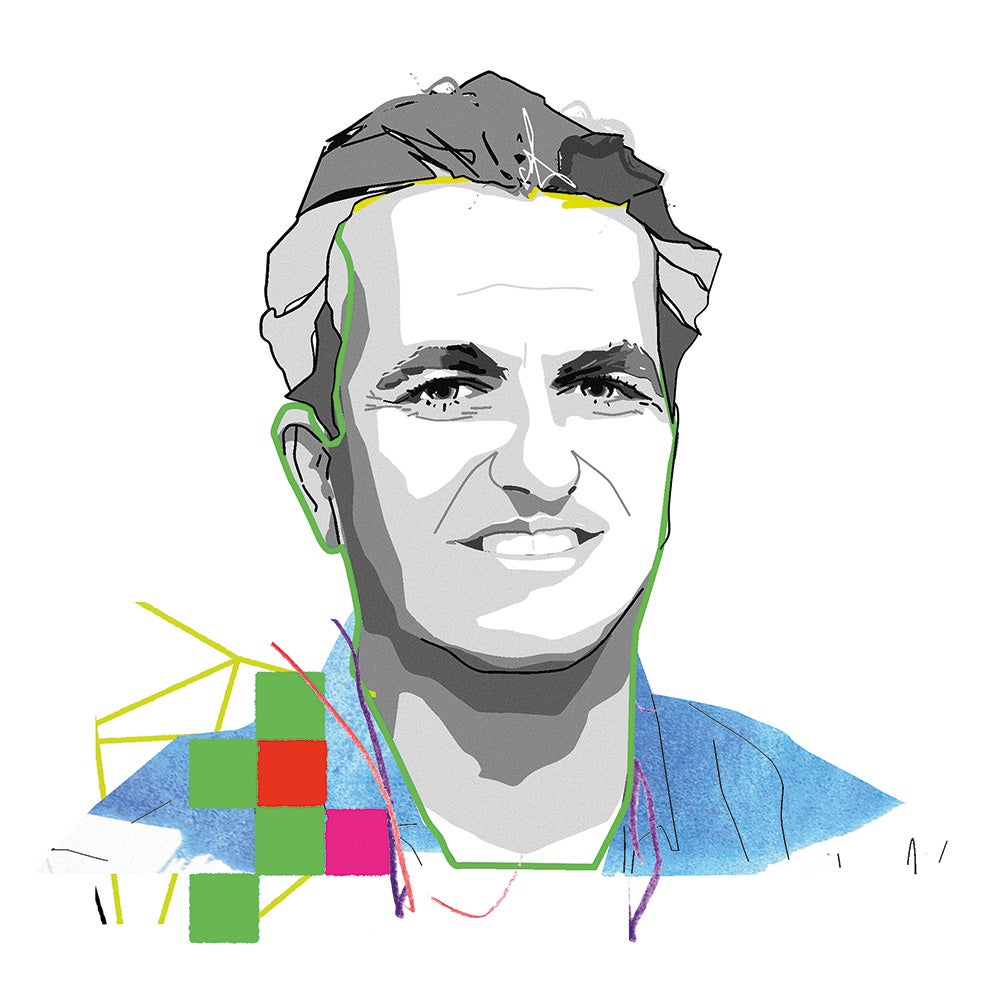
Tomer Cohen: We’re seeing AI move from being a tool to being an operating system. We’re also going to start seeing personalization of the application layer. When you use your email app or your health app, really understanding who you are, what are your goals, what are your preferences. Having great memory of what you like and don’t like, and really adapting to you. That’s where we’re going to see some breakthroughs, not just in terms of adoption, but also retention of apps.
Dominic Mirabile: I’m really excited about voice. I’m dictating all the time to Claude. Voice is much more natural and I can deposit much richer context. I think voice is going to be much more mainstream as the interface as costs come down.
Kate Jensen: The thing that Claude has gotten really good at recently is the ability to run multiple agents and subagents at the same time. I can ask it to go do something that has 20 steps. What it can do on its own now is spin up an agent that will define the 20 steps and then call different subagents to go do each of those steps and then come back with a summary of what happened and the tasks done. That technology is not brand new, but making it accessible and making it easy for anyone to trigger something like that feels new.
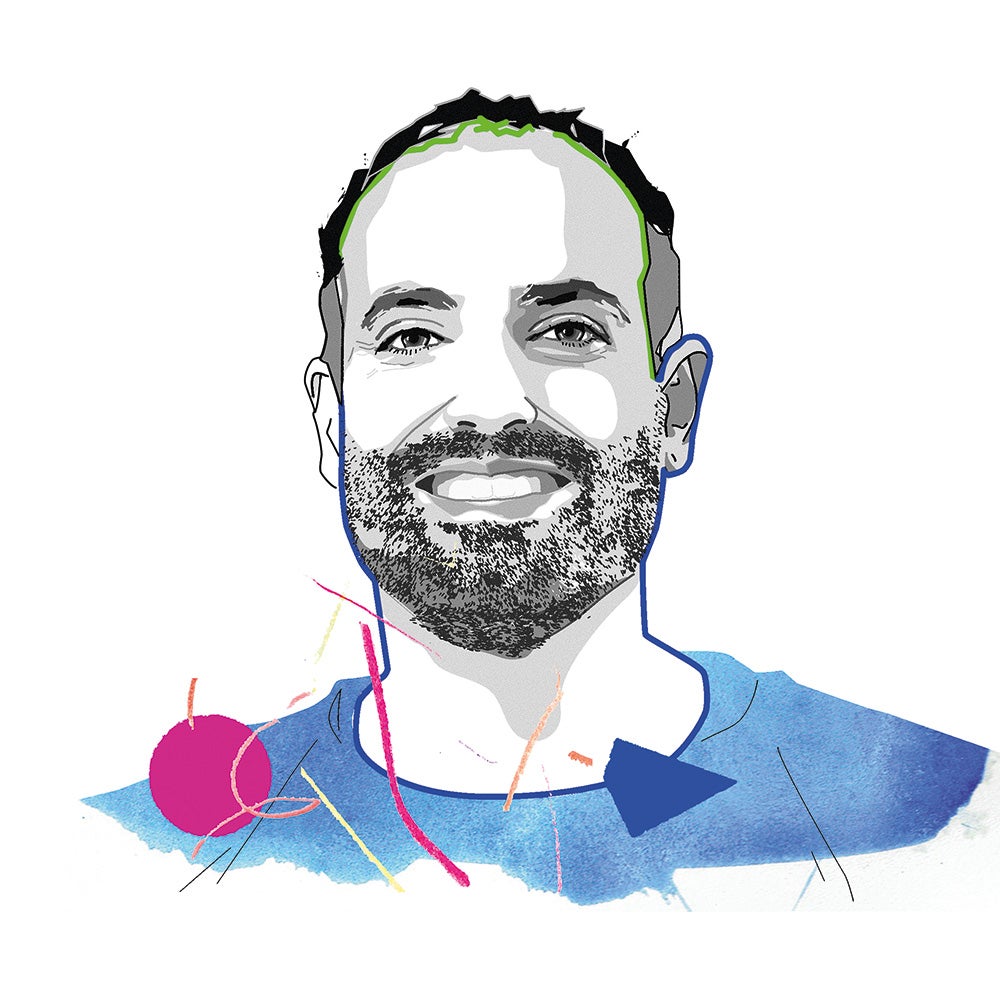
Bruno Ruyu: The shift from AI that answers to AI that acts. What’s coming is AI that operates over long time horizons — hours, days, weeks — pursuing goals autonomously, making decisions, coordinating with other agents, and only surfacing to a human when it needs judgment or approval. The economic implications are staggering. The companies that adopt this well will be operating in a fundamentally different tempo than everyone else. Compounded over a couple of years, that’s an insurmountable gap.

Brandon Sammut: AI context layers. The ability of agents to be given a task and think intelligently about how to accomplish it is a pretty new AI superpower, but it’s limited right now by the amount of context AI has about your organization and your team. I think that’s going to be the big trend in the first half of 2027 — making sure that agents have the context they need to apply their intelligence in a context-specific way, which is where the work actually happens.
Sarah Friar: I’m excited about AI becoming a more natural, persistent presence in our lives. AI that you can simply speak or interact with through more intuitive devices can mean greater independence and connection. This is also deeply personal for me: My mother has macular degeneration, so reading a small screen can be difficult. But by speaking with ChatGPT, she can learn, set goals, and interact with others. That is what excites me most: AI that fits more naturally into our lives and helps more people get where they want to go.
What’s your best advice for staying relevant and essential in an AI-enabled workplace?

Sarah Friar: AI probably won’t take your job, but someone using AI might. So experiment with AI, listen, learn, and stay curious. At the same time, invest in the capabilities that endure: breaking down problems, communicating clearly, distinguishing strategy from tactics, and understanding where humanity and kindness belong.
Brandon Sammut: AI is developing the ability to do certain types of work that, up until now, humans have done. That’s a different thing than saying that AI is going to replace jobs. I don’t think I’ve seen a job yet where there aren’t a couple of things where AI can, at the very least, meaningfully assist in completing a task. But I’ve also never seen a job where AI can reliably do even 60% or 70% of the tasks. That’s where I think there’s helpful nuance in that part of the conversation.
Ravi Mhatre: You need to decide that everything you do is about being in a learning mindset. You should sit in front of the AI every day and just interact with it for 45 minutes or an hour and constantly learn. Because if you don’t do that, I think you will be on the wrong side of the exponential.

Kate Jensen: Jobs are changing at so many companies right now. The companies that are best at changing the jobs are allowing them to be changed by the people who are using the tools. Those changes tend to go better if it’s being driven from the bottom up and the people actually doing the job help design what the next version of it looks like.
Bruno Ruyu: Learn to think with AI, not just use it. There’s a huge difference between someone who types a prompt and takes whatever comes back, and someone who treats AI as a thinking partner — pushing back, reframing the problem, using it to stress-test their reasoning. Get curious about how things work under the surface. Get comfortable being wrong quickly. Ask why five times before you ask how. That mindset compounds with AI.
Dominic Mirabile: Things are moving so fast, it’s kind of a full-time job to keep up. Surround yourself with people who really understand the technology and are in the throes of this Cambrian explosion of new technology. Don’t be afraid to say, “I don’t know the best way to use this technology.” That’s the gateway to continuous learning.
Federico Antoni: I would say not to be self-conscious about what you know and who you are and just go for it. I’m a 50-year-old economist and have never programmed, but I opened my terminal and started using Claude Code and I built things. The people who stretch themselves by using these technologies are the ones who will stay more relevant.
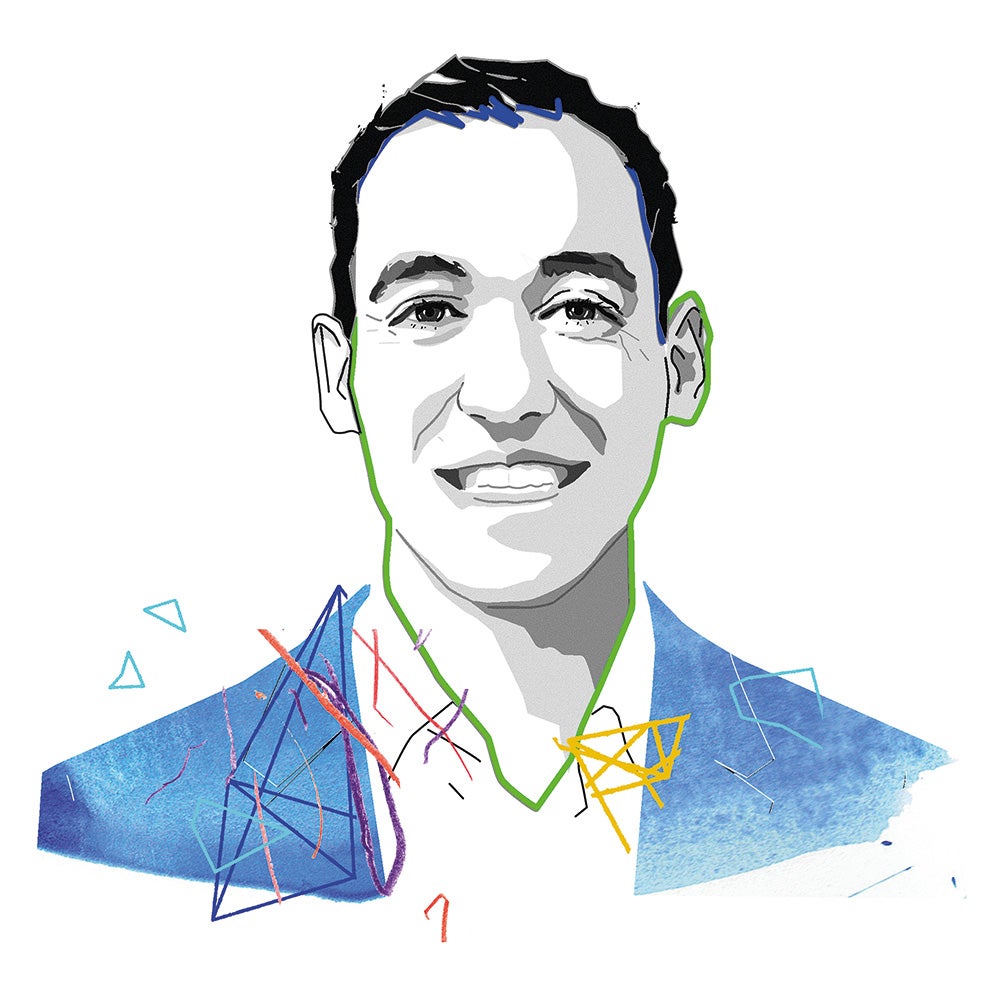
Tomer Cohen: So many people can talk about AI right now, but very few actually build something of value with it. If you want to stay relevant and essential, it’s not enough to be able to be interesting in a dinner conversation. You want to show that you’re able to deploy those tools to build something really meaningful.
Steve Vassallo: It’s not about learning one tool or a specific skill. It is about learning how to learn and to be truly flexible in how you approach opportunities and problems. You should really invest in experimentation, go build real things, live at the edge of these tools instead of saying, “I hope this thing doesn’t automate my job.” Don’t be the person who dreads when the next model drops, but the person who wishes the next model drops sooner because there’s going to be so much cool stuff that you can do even faster and with more fluency.
Jake Saper: The parts of the job that feel most human will continue to endure. In venture, that’s picking which company to invest in and supporting the founder. Ultimately, you can get advice from AI, but a lot will come down to judgment.
Related Content

Invested with Purpose: Insights from Stanford GSB Investors

Language Lessons: How LLMs Are Transforming Research
Explore More
How a Community-Centered Design Course Changed the World
Pivot: Getting the Best of Both Worlds