Alumni investors talk about their journeys, measuring impact, and what it takes to succeed.

Stanford Graduate School of Business is fertile ground for training investors. With its wealth of relevant coursework and resources — from Finance 321 to the new Initiative for Investing, its proximity to Silicon Valley, and a network of alumni spanning every sector — Stanford GSB plays a unique role in shaping industry leaders.
At the inaugural Investor Summit earlier this year, Stanford President and former Stanford GSB Dean Jonathan Levin noted that Stanford alumni-founded and -funded companies account for an estimated 10% of global public market capitalization. “That gives you a sense of the collective power of the GSB alumni community when it comes to investing and capital markets,” he said.
To capture the breadth of ways alumni are involved in the field, we spoke with a range of Stanford GSB investors, from established trailblazers to those still forging new paths. We wanted to hear about their career journeys, how they measure impact, and their advice for others who seek to succeed in investing.
Carl D. Thoma, MBA ’73
Founder and managing partner, Thoma Bravo
I grew up on a ranch in northwest Oklahoma. In the ranching business, capital is required for land and cattle, thus my family was always looking for investment opportunities. My whole life has been about investments.
In 1980, Stanley Golder and I started Golder Thoma & Co. We got pretty good at consolidating locations and companies. We discovered you could do it in almost any industry, from golf courses to funeral homes to cable TV.
In 2000, everybody thought software was going to go out of business because everything was going to be internet-based. Supposedly you’d put all your products out on a website and there wouldn’t be any such thing as company software anymore. That caused all the software companies to trade really cheaply. We took advantage of these low valuations because people forget the value of industry knowledge and the difficulty of changing the way one does business.
If you go to the grocery store and an item’s gone up in price, you may decide to switch brands, but few people cancel their cellular service if it goes up. Software companies have really sticky customers, so they have pricing power. Next you pay attention to margins. In software, once you’ve developed it, it costs you almost nothing to make another copy.
At Thoma Bravo, we now just invest in software companies. Initially, we focused on low-growth companies with lower values; however, we learned that low growth meant you are more vulnerable to technology changes. Five years in, we shifted to high-growth companies. This is our focus today. We have found acquisitions and product consolidation work very well in software.
Lacey Hunter Wismer, MBA ’04
Founder and managing partner, Hunter Search Capital
My dad got his MBA from Stanford and fortuitously found his way into small business ownership. Watching him manage and grow his companies since I was a kid, I’ve always understood the power of small business ownership.
I’ve been a search fund investor for almost 16 years now. In traditional search fund investing, the intention is to own the business for about five years, grow it organically, professionalize it, and tidy it up for sale. What I have recently pivoted my attention to is buying businesses that we plan to own and grow indefinitely. We’re buying small businesses and building a lot of value by being willing to put in real elbow grease in an equity-efficient manner over a much longer period of time.
My long-term focus as an investor is a blend of family office–style investing with external capital dynamics. I’m excited about the concept of removing the constraint of time from my investing. We’re not in a hurry to prepare a business for sale, so we can take our time making smarter decisions about growth. We can become true masters of our craft in any one sector and move more patiently to intentionally build a sector-leading enterprise.
Financial success is the number one way you’re going to be measured as an investor. But reputation is just as important, and it compounds over a long period of time if you’re known as not just a good investor, but a good person who’s easy to work with, who’s honest, who’s direct, who really leans in and tries to add value. Most importantly, if you’re curious and you like interacting with people, you’re better set up for long-term success than if you’re just a really smart person.
Dipanjan “DJ” Deb, MBA ’96
Co-founder and CEO, Francisco Partners
I got my degrees in electrical engineering and computer science. And I realized that it wasn’t as fun as some other jobs seemed to me. On a whim, I started interviewing for investment banking and loved the people.
We were almost bankrupt when I took over running Francisco in 2005. This year, we were ranked as the number one performing private equity firm in the world, based on 10 years’ worth of data. I’m proud of that, but a lot of that happened because we were in the right place at the right time.
The biggest constant of tech is change. If you look back over 60 years, tech has outgrown GDP by a factor of two. It’s just easier to make money when you have tailwinds. A big epiphany for me was if you get the macro right, you can screw up a lot of the micro, but if you get the macro wrong, it’s hard to make money. I’m betting most of my net worth on the fact that tech will continue to grow. Now, it’ll be cyclical, it’ll have fits and starts, but anything that can get dislocated will get dislocated. That’s the history of technology.
The drawback is there are some technologies that are going to get eviscerated. That doesn’t happen in most other industries. The upside is that terminal multiples tend to be much higher. So if you aren’t getting eviscerated, chances are you’re adding a lot more value than a normal non-tech company would. We call our strategy complexity arbitrage: you buy confusion, hopefully at a discount, and you sell clarity, hopefully at a premium.

We’re stewards for lots of pension funds and endowments and insurance funds, and the first thing I say to my team is, Do no harm. Our business is not the venture business. It’s trying to get two and a half, three times your money with a low loss ratio. Success is measured by what you do for your investors. Plus, it’s more fun when you’re winning.
Andreas Halvorsen, MBA ’90
CEO, Viking Global Investors
I had no idea that I would end up in finance. I’d been in the military in Norway, and I’d concluded I needed an education. Things unfolded after that. I love solving problems, and I love things that are analytical and complex where there are a ton of variables. Because the outcome in investing is quantifiable, it is also competitive. You want to be right, and you want to be more right than others because that means your results are, comparatively speaking, of good quality.
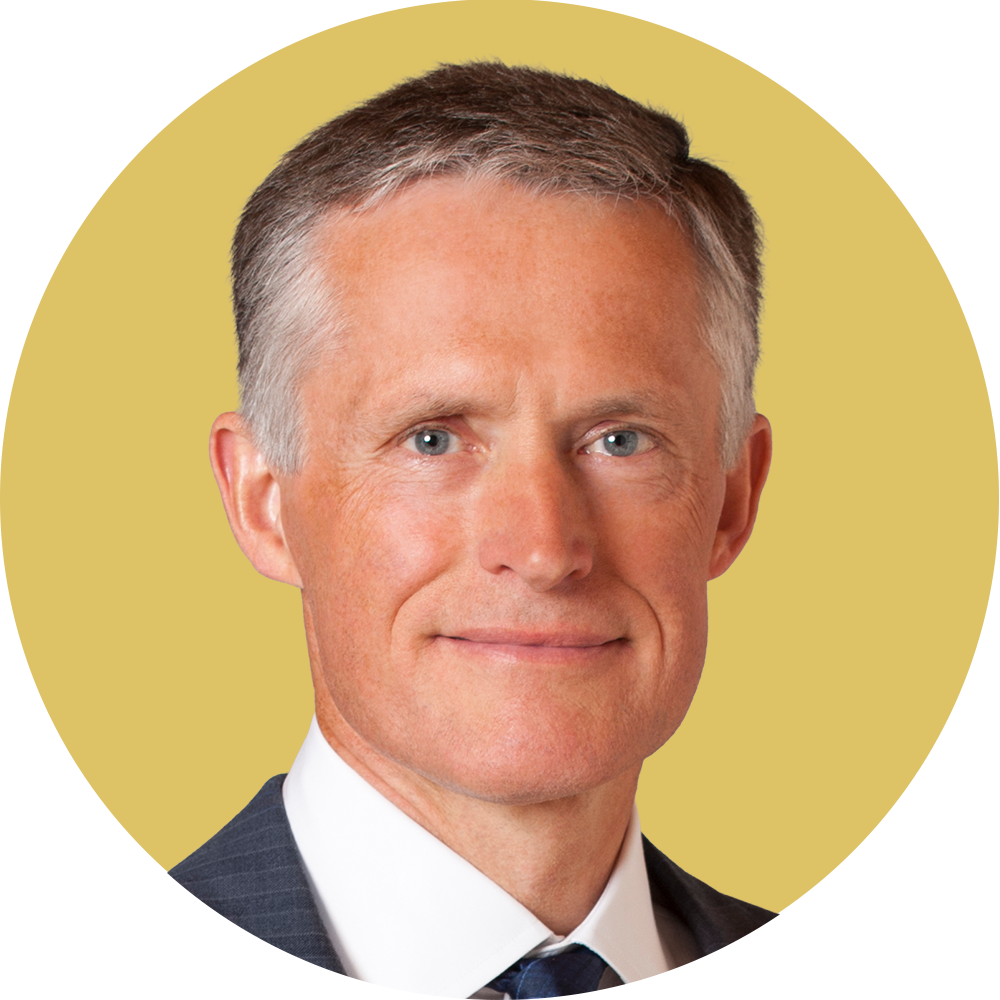
My interest in investing really evolved while at Stanford, where I learned about entrepreneurship and how to build a durable business. In the craft of investing, that requires developing a talented team and harnessing its power. If you can take the brilliance that is expressed by great investors, systematize it in a way where you essentially turn investment practices into a kind of recipe, then you can hire talented young individuals and teach them that recipe. If you have great practitioners on your team and they all recognize that they will do better if they work with other individuals who are as good as they are, you can make it into a very powerful enterprise.
At the end of the day, our objective is easily definable. It is superior returns at reasonable risk. Yet there’s another dimension of success that is very important to me, which is the impact we can make with what we do. We are fortunate that many philanthropic organizations are invested in our activities. To the extent that we can make a positive impact on their returns so they can fund more scholarships, treat more patients, or acquire more technology and personnel to do what they do better — that is a very satisfying measure of success.
What distinguishes an extraordinary investor from an average investor is that the extraordinary investor recognizes and admits when they’re wrong. The other thing is to recognize that, however good your result is, you can make it better.
Lacey Calac Dunne, MS ’23
Founder, Acknowledge Capital; chairwoman, First Nations Economic Development Corporation
I am Native American and a first-generation college graduate. My grandfather, who lived on our reservation and held various tribal leadership roles, encouraged me to pursue skills that could serve our people. For over 25 years, my career has enabled me to meaningfully contribute to my tribe’s investment and economic development efforts. Currently, I am serving as the chairwoman of the Rincon Band of Luiseño Indians’ investment corporation that invests in private equity and real estate.
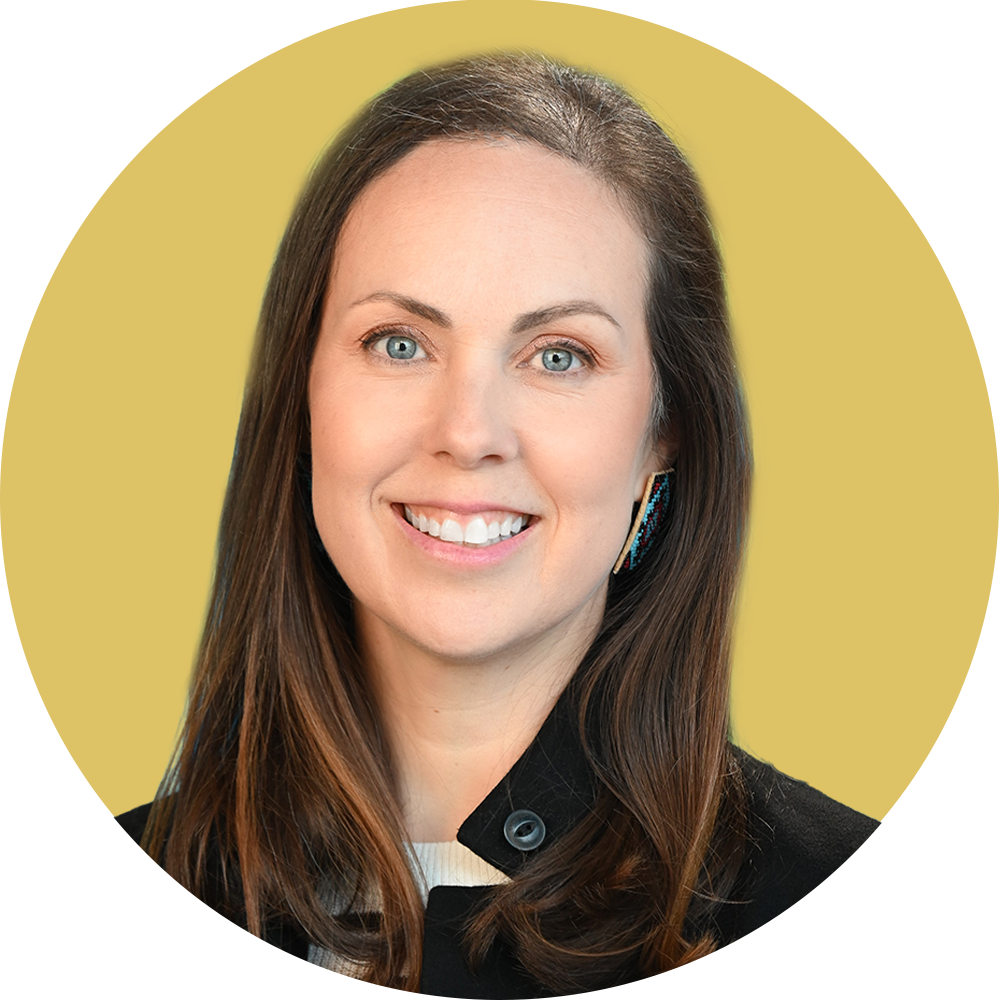
I am also building Acknowledge Capital, an investment management business dedicated to serving Native American tribes. The goal is permanent wealth that enables tribes to exist in perpetuity and to protect their culture, land, language, and people for generations to come.
I’m looking for businesses that are stable, profitable, and suitable for long-term ownership. Success lies not in accumulation, but in preservation, empowerment, and the enduring strength of Native American tribes. A deal that generates strong returns but undermines tribal values is not successful, nor is a culturally aligned investment that loses money.
If you can think critically, identify needs and opportunities, and carefully discern patterns and risks, you can use any specialty or expertise to become an effective investor. A non-business background is differentiation, and being an expert in a specific subject matter can give you the perspective needed to identify overlooked opportunities. I believe the best investors are both rigorous and open-minded, willing to look beyond surface impressions to find value others miss.
Scott Brady, MS ’00
Founding partner, Innovation Endeavors
My decision to co-found Innovation Endeavors with Eric Schmidt and Dror Berman, MBA ’09, 16 years ago was about helping the next generation of entrepreneurs tackle the world’s most consequential problems. I believed that my background as an operator and technologist would allow me to bring more than just capital to the table. What surprised me most was discovering that I could care just as deeply about the companies I backed as the ones I founded. It became clear to me that investing is simply another way to participate in building.
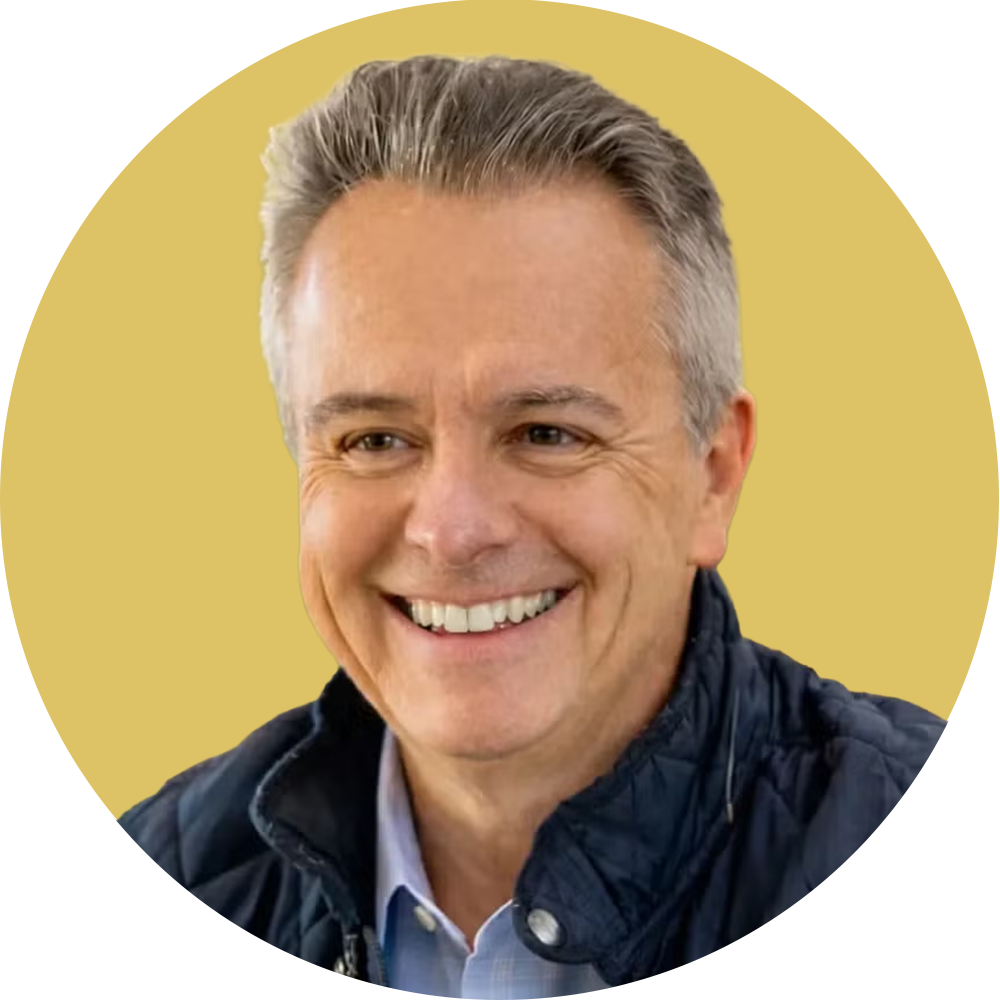
Success begins with fiduciary responsibility. We manage other people’s capital, and generating strong long-term returns is foundational. Without disciplined performance, nothing else is sustainable. But returns alone are not the full measure. I look for durability and consequence. We back companies tackling foundational problems, not feature upgrades, and building capabilities that change how industries function and how people live.
As a former entrepreneur and operator, one of the most important lessons I share with our team is that our entrepreneurs are the heroes of the story. Our role is a privilege. We get to support teams with the vision, grit, and resilience to tackle consequential problems.
For anyone interested in early-stage investing, my advice is simple: Build
something first. There is no substitute for operating experience. Living through the uncertainty of product development, hiring, fundraising, and execution builds judgment in a way no spreadsheet can.Investing may appear analytical from the outside, but the most valuable pattern recognition comes from having experienced the messiness of building firsthand.
Hamid Moghadam, MBA ’80
Co-founder and executive chairman, Prologis
My dad started in construction and development, so I used to spend a lot of time on weekends going around construction sites. I always had an interest in real estate development from childhood, and that’s how I gravitated to this business. We’re in the logistics business, we’re in the infrastructure business, and we’re in the finance business. Every day, the equivalent of nearly 3% of global GDP runs through our buildings.
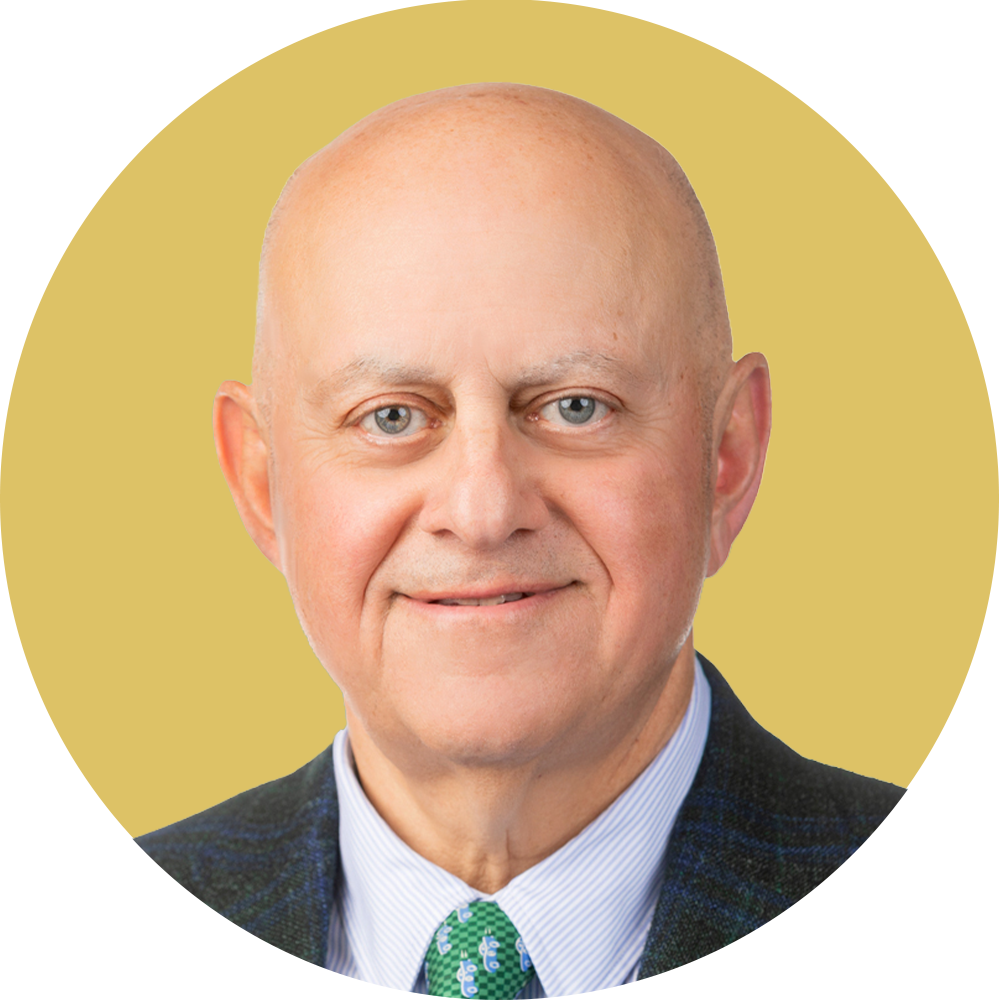
At the end of the day, the financial impact is pretty easy to measure. Either the project is successful — meaning that it’s more valuable than the sum of the costs that went into building it and that customers like it and use it and it stays occupied and leased and the rents go up over time — or it isn’t.
It’s a very customer-centric business. The best way I measure impact is: How important and strategic are we to the customers? Historically, before we showed up, customers viewed logistics real estate as a commodity. It was just about price and location. But now they really look at us as a strategic partner, helping them grow their business. We’ve proven that you can really change the real estate industry and rewrite the playbook completely.
You don’t have to be a genius. You have to be smart enough. You have to be hardworking. You have to love the business because the business changes all the time and you need to figure out how to change with it or to drive that change.

You need to know how to buy companies. You need to know how to learn how to integrate companies. This is not like a banker doing an M&A deal where they work for two weeks and get a fee at the end. You’ve got to live with that asset and live with the consequences of your investment decisions. It’s an interesting mix of operational skills and deal-making skills that is pretty unique to real estate.
Nicki Boyd, MS ’14
Founder and managing partner, Sphera Partners
My daughter came along three years ago, and that prompted me to step back and reflect on how I was spending my time and what I want this next chapter to be. I never thought about myself as an entrepreneur, and Stanford GSB opened my eyes to the possibilities of that. So I left my old firm and set up Sphera.
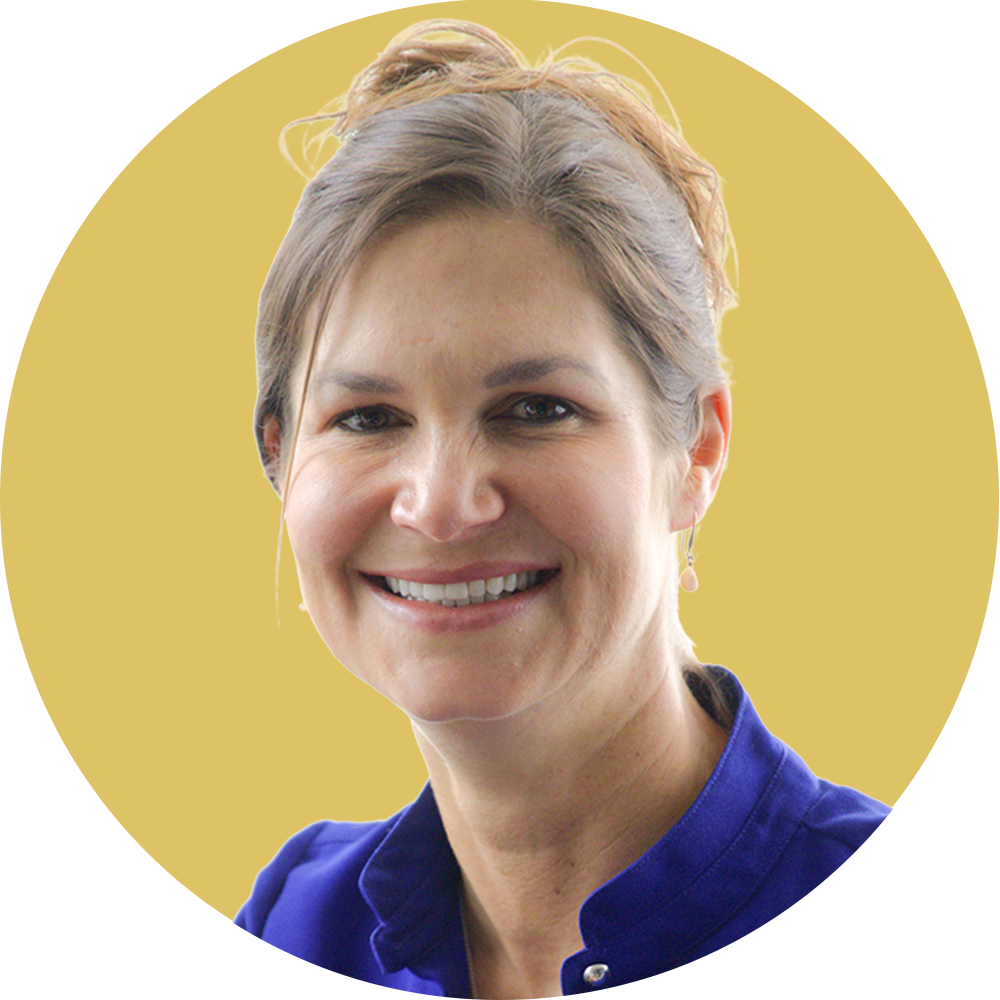
I realized that while I love investing and I’m pretty good at it, I wasn’t sufficiently passionate about what I was investing in. I also wanted to have a more tangible positive impact on the world my daughter was going to grow up in. I took a decision to reorient my investment skill set toward the sports sector, but with a specific focus on accelerating women’s sport, which is an emergent and growing commercial opportunity.
We’re investing in women’s and mixed-gender sports properties across the ecosystem — teams, leagues, federations, and ancillary revenue streams. We’re not interested in investing in 5% minority stakes where you’re just a passive investor. We’re much more about investing 40, 50, 60, 70% and being a really active partner and having much more influence. There’s an impact element inherent in the strategy, as we promote equality in professional sport and provide role models to young girls.
I’ve been an athlete all my life, never professional, but competitive. I’m drawing on that to keep hustling and get this off the ground. I think sport gave me all the skills to enable me to succeed professionally in the finance world.
Daryn Dodson, MBA ’07
Managing partner, Illumen Capital
Illumen Capital is a fund of funds investing in private equity, venture capital, and growth fund managers. Illumen seeks to invest in high-performing managers that have been historically overlooked by the wider financial system. We set out to create a strategy that educates our investors — collectively representing some of the largest pools of capital in the world — about the biases that we all possess and how those biases interrupt the ability to optimally allocate capital.
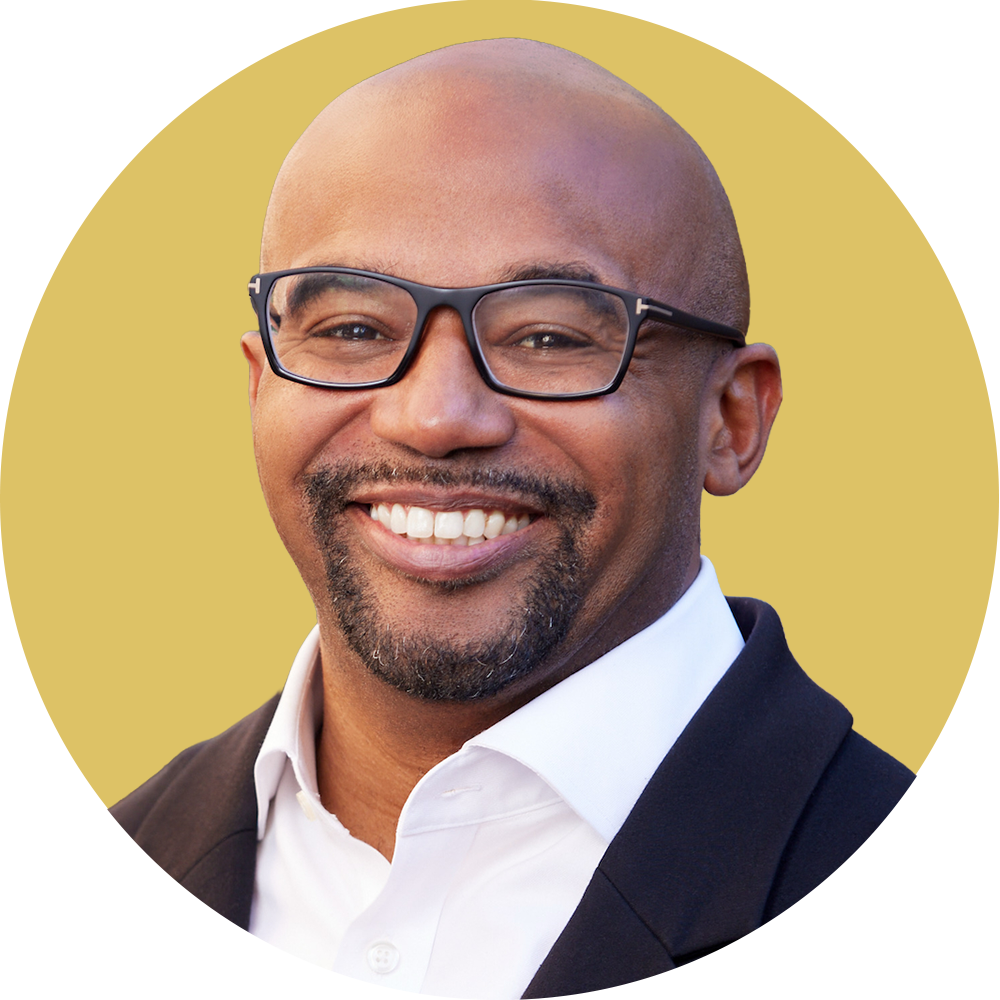
We found through our research with Stanford SPARQ that asset allocators systematically underestimate and overlook high-performing managers — especially when they are outperforming — because of their race. This negatively impacts global financial markets and overall prosperity.
Why is it that only 1.4% of $82 trillion in asset management dollars flow to diverse-owned firms? Investments in diverse-owned firms would increase from less than $1.5 trillion to about $35 trillion if it mirrored U.S. demographics. Success is measured by unlocking capital so that it can flow consistent with performance. It is about returning to the fundamental economics that drive the investment opportunity and addressing the heuristics or biases that lead to suboptimal investment.
If we are not including those who are outperforming because of their race or gender this triggers a deeper examination of our opportunity set. It behooves us as an industry to examine the biases that prevent us from fully exercising our fiduciary duty.
Kenneth A. Hersh, MBA ’89
Chairman of HFI Capital Management, co-founder of NGP Energy Capital Management
Natural Gas Partners was born November 16, 1988. We were a firm with a crappy name focused on a thesis that natural gas prices were going to go up. Turned out we didn’t just have a crappy name. We had a crappy thesis. After years of declining gas prices and some trial and error, I said, “Why don’t we focus more on finding great people who know how to make lemonade out of lemons?” That was our epiphany — approach this as a people business more than a numbers game. Investing this way took the volatility out of a volatile business. That was our secret, and that’s why everybody copied it. In hindsight, we changed how capital flowed into domestic energy.
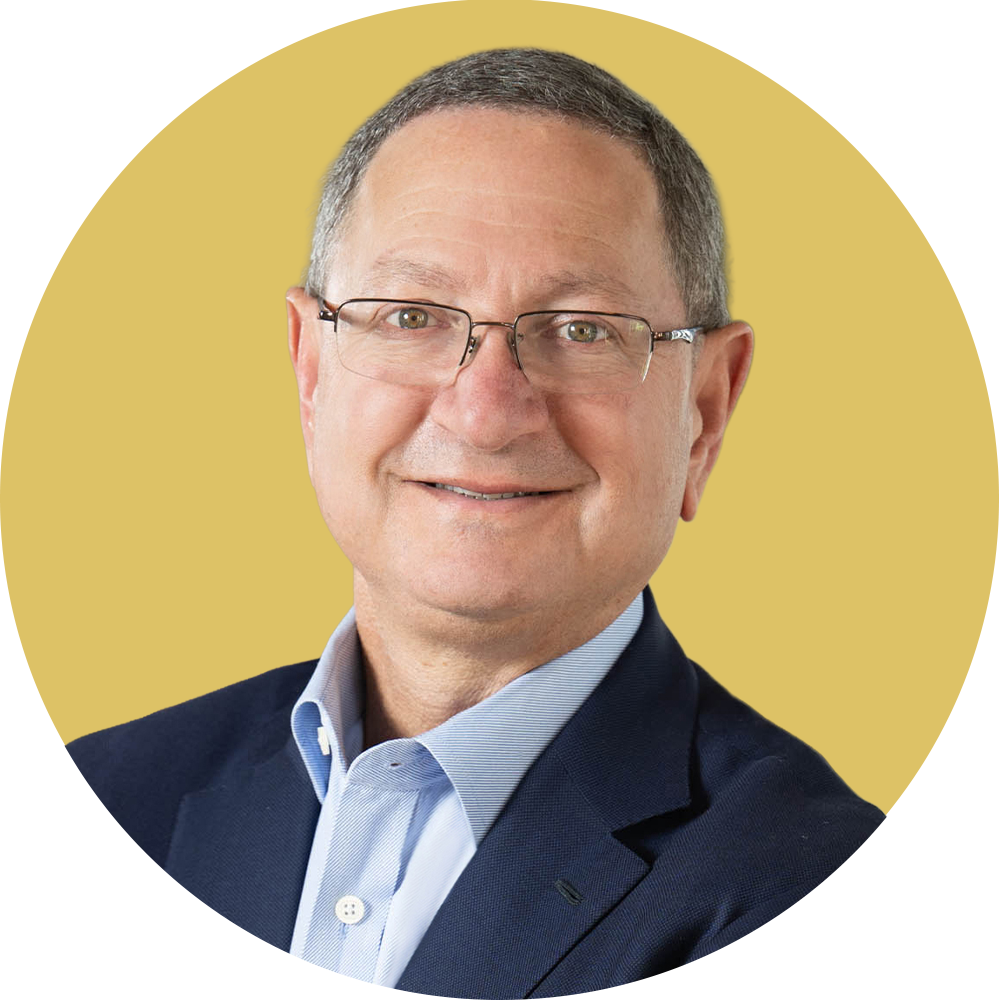
We helped form many startup companies that employed great people, and we built such good relationships with them that we were able to back them multiple times. After they sold, we started over, and we got more money put to work with them the second time. It was easy deal flow.
NGP had a 30% compounded rate of return over the 27 years that I was there. Along with my co-founder David Albin, MBA ’85, we set the mark in energy investing and left behind a firm that was ready to give to the next generation.
Managing my family office now, I’m excited about thinking through the sea changes that are happening. Where there is chaos, there’s opportunity.
My advice: Just get in the game. Life is about managing risk more than managing a portfolio. If you’re a humble learner and you put in the time, anybody can do it.
Sandra Horbach, MBA ’87
Partner and chair of Americas corporate private equity, Carlyle
I pivoted to private equity after two years in M&A because I wanted to have more lasting relationships with companies and to see what happens after the deals are done. It was the beginning of a long career in private equity and finance that started with the love of working with companies and trying to make businesses better.
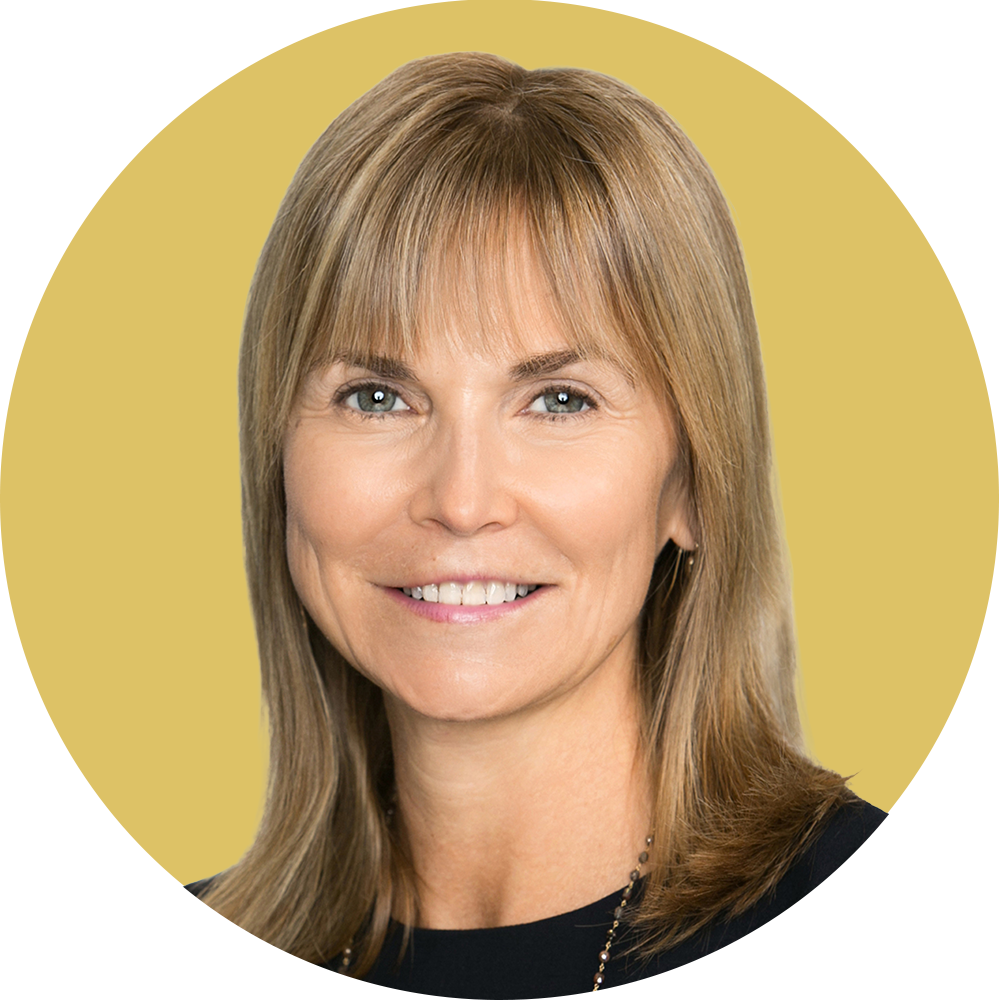
Over the years, the industry has grown dramatically and expanded into many new areas. At Carlyle, we believe strongly that you need deep industry sector expertise and value creation capabilities to be able to compete. In the early days, you could buy a company and let the financial engineering drive the returns. Today, everything is fully priced and markets are incredibly competitive, so the value creation starts the day you close the deal.
We always ask ourselves, why does this company need to exist? What’s their positioning and differentiated strategy, what makes them unique to their customers? And then, what’s our value creation plan, and importantly, who’s going to run the business and execute on that value creation plan. And lastly, we want to make sure that there’s alignment with us as investors and the management team running the business.

We measure our success not just by what the IRR [Internal Rate of Return] on a deal is but also by asking, have we created a better company and made people’s lives better? And then, as a leader within an investment firm, I think about creating an inspiring and enriching environment for our investment professionals. That’s a really important part of our success. At the end of the day, we work for our investors, we work for our clients, and our job is to be stewards of their capital.
Explore More
Back to Class: The AI-Powered Org
Maxima Nsimenta, MBA ’26: Using Agritech to Break a Cycle of Poverty and Environmental Degradation