
The Impact Design Immersion Fellowship supports Stanford GSB’s most promising MBA social innovators.
This competitive fellowship is designed to support MBA students to build insight into a societal problem, immerse with affected communities to understand the needs of target users, test hypotheses, and prototype ideas that prioritize impact.
See the Impact Design Immersion Fellowship awardees for 2026:
Adam Johnson

Adam Johnson is a two-time nonprofit founder, three-time nonprofit board member, and MBA candidate at Stanford Graduate School of Business. After building organizations and advising nonprofits on homelessness and social services, he became increasingly frustrated that many organizations measure activities rather than whether lives are actually improving. His IDIF project explores how nonprofits can better align operations, incentives, and measurement systems around real-world outcomes, helping organizations learn what works, improve effectiveness, and direct resources toward measurable impact.
IDIF Focus: Making nonprofit impact measurable and operational
Many nonprofits measure outputs — meals served, sessions delivered, people reached — but struggle to determine whether lives or communities are actually improving. This creates misaligned incentives, weak learning loops, and difficulty directing funding toward what works. My project explores how nonprofits can better operationalize outcomes by embedding measurement, decision-making, and accountability into day-to-day operations. Over the summer, I hope to identify the highest-need nonprofit segments, test whether organizations will adopt a practical outcome-focused operating model, and pilot lightweight systems with partner nonprofits to learn what enables credible, usable, and sustainable outcome measurement in real-world settings.
Ahmad Elhaija
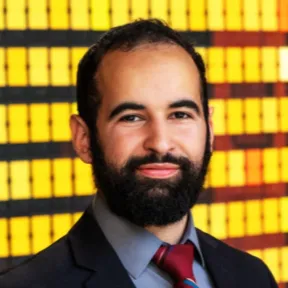
Ahmad is an MD candidate at UCLA and MBA candidate at Stanford University. He completed his BS in Psychobiology at UCLA, where he founded the International Healthcare Organization (IHO), a nonprofit delivering clinical services to under-resourced communities globally. His work focuses on expanding access by building telehealth infrastructure, deploying community-based interventions, and translating health services research into practice. As a board advisor to the California Telehealth Resource Center, he has contributed to statewide digital care strategy. He is interested in building scalable solutions that improve healthcare access by addressing literacy, navigation, and structural barriers to care.
Ahmed Eltahir
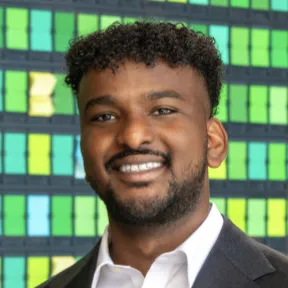
Ahmed is an MD/MBA candidate at Stanford University. He completed his BA in Sociology at Cornell and undertook a clinical research fellowship at Mayo Clinic, which deepened his interest in innovation and healthcare delivery for underserved communities. His research interests include AI-enabled care delivery to improve access and outcomes for patients, as well as leveraging technology to bridge persistent care gaps. At Stanford’s HEART Lab, his work has focused on leveraging large language models to deliver guideline-based cardiovascular care and bridge the digital divide for multilingual populations. He is interested in developing tools that tackle health navigation for patients facing language, literacy, and access barriers.
IDIF Focus: Improving mental health care accessibility and navigation
Modern mental health care is difficult to navigate, particularly for students and older adults who may lack the emotional vocabulary, digital fluency, and guidance needed to access care. Our user discovery shows that individuals often recognize distress but fail to translate it into timely clinical support due to fragmented systems and overwhelming processes.
This summer, we will build on this insight by testing how improvements in mental health and technology literacy can drive increased care-seeking behavior. We will test structured, LLM-supported interventions and evaluate their ability to help users articulate needs, navigate systems, and successfully access professional care.
Alin Mary Raju
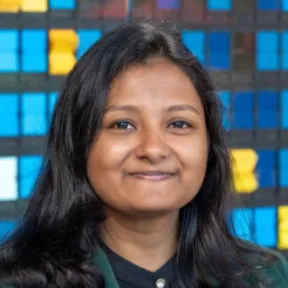
Alin has a deep passion for developing people, rooted in her experience leading operations at P&G’s manufacturing division, where she saw firsthand how investing in individuals drives both personal and organizational growth. Having worked closely with frontline teams, she developed a strong appreciation for the transformative power of skills development and mentorship. This experience sparked a broader ambition: to extend that impact beyond the corporate world and help unemployed individuals discover meaningful pathways to employment across diverse industries. Through her IDIF project, Alin hopes to design scalable, people-centered solutions that equip underserved communities with the tools and confidence to thrive professionally.
IDIF Focus: Bridging India’s graduate employability gap
India faces a paradoxical unemployment crisis — graduate unemployment rates significantly outpace those of less-educated populations, with Kerala reflecting this trend despite its high literacy levels. A substantial number of degree-holding youth remain outside the formal workforce, unable to bridge the gap between academic credentials and employer expectations. Alin’s IDIF project seeks to understand the root causes of this disconnect and identify the specific skills, technical, behavioral, and vocational that would make these graduates employable across industries. Over the summer, she hopes to map viable workforce entry pathways and develop actionable recommendations for translating graduate potential into meaningful employment.
Alissa Ji
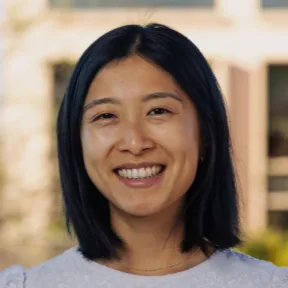
Alissa is passionate about housing stability and urban development, with experience across the nonprofit, private, and public sectors. Before grad school, she was Chief of Staff at the Community Economic Defense Project, Colorado’s largest nonprofit distributor of emergency rental aid, supporting thousands of households facing eviction. Over the last year, she worked on housing policy with the Tulsa Mayor, Boston Housing Authority, and the Hawaiʻi Governor’s Office. Previously, she was a management consultant at Bain New York. She is pursuing an MBA/MPP at Stanford GSB and Harvard Kennedy School. She grew up in Georgia and loves the outdoors.
IDIF Focus: Building wealth and stability for renters
A record-high 46M U.S. households are renters (1 in 3), and as housing costs continue to rise, over half are now rent-burdened, spending more than 30% of their income on housing. Homeowners hold nearly 40x the net wealth of renters, but homeownership, the traditional path to building wealth in the U.S., is increasingly out of reach. Renting is a fragmented system that oftentimes offers little opportunity to build assets, stability, or intergenerational wealth. This summer, my IDIF project will explore solutions to advance housing stability and wealth-building for lower-income and marginalized renters, including models that go beyond traditional homeownership.
Astha Mohta
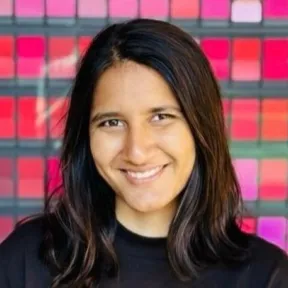
Astha is passionate about building systems that make opportunity more meritocratic and accessible. She is particularly interested in addressing how pedigree, networks, and social capital continue to shape access to education, careers, and economic mobility. Through her experiences across technology, strategy, and community-driven initiatives, Astha has developed a strong interest in designing products that surface overlooked talent and enable individuals to be evaluated based on capability rather than background. Her interest stems from a desire to explore scalable, technology-enabled solutions that can reduce structural barriers and create more equitable pathways to opportunity and advancement.
Debanjan Nayak

Debanjan has a passion for rewiring broken systems in education, access, and economic opportunity. He believes meaningful systems change starts with people and is driven by building scalable solutions that create long-term impact. Debanjan is interested in how technology and innovation can unlock access for underserved communities because he strongly believes that creating one such economic opportunity would uplift numerous families for generations to come.
IDIF Focus: Making talent visible beyond pedigree
We aim to build a marketplace that makes talent visible beyond pedigree, geography, and existing networks. Today, access to high-quality opportunities is often determined by social capital rather than actual capability, leaving millions of high-potential individuals overlooked. Our vision is to create a more meritocratic ecosystem where people are evaluated based on behavioral data, demonstrated skills, potential, and real-world performance. By leveraging technology, data, and alternative signals of talent, we hope to help employers, institutions, and communities identify individuals who may otherwise remain invisible. Through the IDIF project, we want to explore scalable ways to reduce structural barriers and expand access to economic opportunity.
Audrey Deguerrera

Prior to GSB, Audrey spent five years at McKinsey in go-to-market strategy before serving as Head of Strategy at Risely Health, a behavioral health start-up focused on Type 1 Diabetes. Audrey lives with T1D herself — the daily reality of navigating a fragmented healthcare system to receive care is what drove her to build Amphelo. Audrey aspires to deliver better health outcomes and higher quality of life for people living with chronic conditions.
IDIF Focus: AI-powered care coordination for chronic conditions
Millions of Americans (including 2.1M with Type One Diabetes) live with a chronic condition where they can go from totally healthy to the ICU in hours without access to consistent medical supplies. Patients today coordinate across insurers, pharmacies, device OEMs, and providers with little support. The resulting gaps drive preventable crises and billions in avoidable costs. Audrey aims to build and test an AI-powered care coordination platform for people living with chronic conditions, starting with an initial T1D user cohort. Over the summer, she plans to pressure-test GTM pathways and iterate on the business model based on real patient and payor feedback.
Carlos Alejandro Martinez
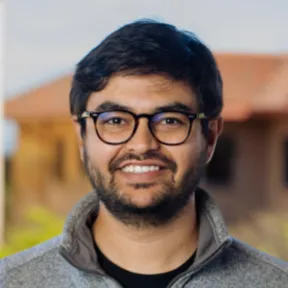
Carlos Martinez is a Stanford MBA/MA candidate passionate about using technology and education to unlock economic mobility for working people. A civil engineer and investment banker turned startup builder, he spent three years scaling AI-driven products at Truora (YC W ‘18) across Latin America. His time as a project manager on U.S. Army Corps of Engineers construction sites gave him firsthand exposure to the skilled labor shortages slowing critical infrastructure. At Stanford, Carlos is exploring UpTrade, a venture aimed at accelerating upskilling for tradespeople building AI data centers, combining his operational construction experience with his passion for impact-driven entrepreneurship.
Isaac Fasja Romano
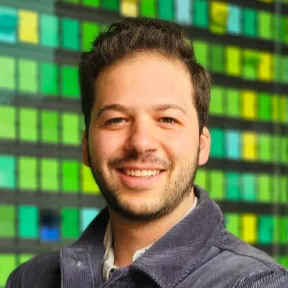
Isaac Fasja is a Stanford GSB MBA candidate holding a B.S. in Chemical Engineering, with an industrial operations background spanning Bain & Company, Startups, and manufacturing. Also a board member at an education NGO, Isaac is pursuing UpTrade through IDIF to explicitly merge his industrial expertise with his passion for social impact. UpTrade augments tradespeople capabilities with technology to provide more job opportunities and reduce the labor shortage in the construction space. He aims to dismantle structural and language barriers for the blue-collar workforce.
IDIF Focus: Solving skilled labor shortages in data center construction
Hyperscale data center construction is stalling because electrical subcontractors can’t staff projects fast enough: hiring is still mostly word-of-mouth, remote sites amplify shortages, and the result is overtime-heavy 24/7 schedules, higher costs, and delay risk that cascades down. Over the summer, we aim to learn where the real talent bottlenecks are and how to address this labor shortage. We will investigate what leverage points can better equip and connect talent to available opportunities, validate who is willing to pay and why, and test which solution could measurably improve staffing, readiness, and jobsite execution so projects finish faster and more safely.
Charles Chen

Charles Chen is a Stanford MBA student, former dentist, and former consultant focused on MedTech and healthcare innovation. His work has spanned clinical operations, digital health, and commercialization strategy across Asia and the U.S. Motivated by the persistent challenge of perioperative hypothermia despite existing warming solutions, he is interested in developing practical technologies that improve surgical outcomes and patient recovery. Through the IDIF program, Charles hopes to combine clinical insight, engineering, and entrepreneurship to address unmet needs in perioperative care.
IDIF Focus: Preventing perioperative hypothermia in breast reconstruction
Perioperative hypothermia remains common in breast reconstruction surgery despite existing warming technologies, contributing to vasoconstriction, impaired tissue perfusion, higher infection risk, delayed healing, and increased healthcare costs. Our project explores new approaches to better maintain thermal stability and improve surgical outcomes throughout the perioperative journey. Over the summer, we hope to further validate the clinical need with surgeons and patients, evaluate the technical and regulatory feasibility of potential solutions, and better understand the broader impact opportunity in perioperative care and surgical recovery.
Chifeng “Sherry” Shen

Chifeng “Sherry” Shen is an MBA and MA in Education candidate at Stanford (‘27). She previously worked as a manager at Bain & Company, Assistant to the COO at SHEIN, and Product Manager at Amazon, where she shipped a product 0-to-1. She also founded SheShapes, a women’s career initiative serving 500+ members. As a student and lifelong learner, Sherry is deeply passionate about human cognition and how people learn most effectively. This drives her commitment to building products that help people learn better in the age of AI, especially for students who struggle most.
Zikun “Zayden” Zhu

Zikun “Zayden” Zhu is an MS candidate in Learning Design and Technology at Stanford University. Before Stanford, he shipped production systems at Apple, TikTok, Alibaba, and AMD, and was a founding software engineer at early-stage startups. He has also been a research software engineer for the Computer Science Department at Stanford University and the MIT Computer Science and Artificial Intelligence Laboratory (CSAIL), and a researcher at the Stanford Artificial Intelligence Laboratory (SAIL). At the National University of Singapore, he taught more than 1,000 undergraduates across seven Computer Science courses, including Software Engineering and Machine Learning. Learnica is where those threads come together. It has to survive the mess of a real classroom, feel like it was designed by someone who has sat through that class, and be built with a clear sense of what the newest AI systems can and cannot yet do. That takes an engineer’s rigor, a designer’s taste, and a researcher’s eye.
IDIF Focus: Effective AI study support for students with ADHD
Over 3 million U.S. college students with ADHD face severe cognitive overload juggling lectures, slides, and notes simultaneously — leading to GPAs half a grade lower than peers and a 49% graduation rate. Existing AI tools strip away the productive effort needed for mastery, while traditional methods overwhelm working memory. We are building Learnica, an effort-aware AI learning companion that removes unproductive friction while preserving the active struggle that builds understanding. Over the summer, we plan to deploy a first version of a solution, assess its efficacy, and investigate institutional partnership pathways with Disability Service Offices at colleges and universities.
Iris Wu
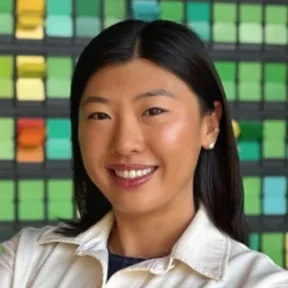
Iris is an MBA candidate at Stanford GSB with a background in philanthropy, strategy, and social impact. Before Stanford, she worked at Google.org, where she helped direct $100M+ in funding to innovative nonprofits globally and saw how strategic philanthropy could create both meaningful social impact and thoughtful reputation-building. Her IDIF project builds on that experience by exploring how to channel capital from successful influencers and celebrities to high-impact nonprofits, reducing nonprofits’ fundraising burden while helping public figures give in ways that are authentic, credible, and effective for the communities they hope to serve.
IDIF Focus: Connecting influencers with high-impact nonprofits
High-impact nonprofits often struggle to access major donors because they lack brand-name recognition, rely on limited board networks, and face resource-intensive, power-imbalanced fundraising processes. Meanwhile, influencers face growing pressure to build fan loyalty and a durable, trusted brand beyond content and sponsorships. Philanthropy may be an avenue to deepen audience trust, reduce reputational risk, and create more meaningful public identities while encouraging more intentional and sustained giving. This summer, I will interview influencers and nonprofits, prototype a streamlined nonprofit vetting process, and act as the advisor in a pilot match, translating one influencer’s values into a credible partnership with one nonprofit.
Josh Eiland

Josh is a Stanford MBA/MA in Education candidate and COO of Run Your City, a youth development nonprofit serving over 10,000 children annually in underserved communities. A former Bain consultant and systems engineer, Josh brings analytical rigor and operational depth to complex social problems. His direct experience delivering youth programming in under-resourced communities fuels his commitment to closing the physical activity gap for children who lack access to affordable, engaging movement opportunities. He is exploring market-based solutions that can deliver sustainable impact at scale.
IDIF Focus: Enabling physical activity for underserved kids
Only 24% of U.S. children meet CDC physical activity guidelines, with rates significantly lower in underserved communities where rising costs and competitive programs exclude most kids. By age 13, 70% have dropped out of organized sports, creating lasting health, academic, and social consequences. This summer, I hope to validate whether children in underserved communities will sustainably choose active engagement over passive screen time when given compelling, gamified alternatives, and whether mission-aligned stakeholders (schools, nonprofits, and/or health systems) are willing to pay for such solutions. I’m exploring a mobile platform as a potential vehicle for scaled impact.
Karan Tibriwal
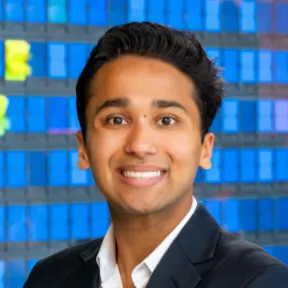
Karan is a former student athlete who personally missed NCAA opportunities due to a lack of game film to show Colleges. Professionally, he is a founder-operator with experience investing in and scaling technology businesses. He previously served as a Private Equity Associate at TPG’s Software & Enterprise Technology Group and began his career in M&A at Morgan Stanley. He also has also founded and successfully exited a business called Sitto, where he built a platform to connect low-income students who needed jobs and parents looking for babysitters.
IDIF Focus: Democratizing college recruiting for low-income athletes
A systemic information gap in college recruiting gates talent behind private coaching and expensive travel, leaving talented students from lower-socioeconomic backgrounds invisible. The goal is to make game-film documentation and digital recruiting profiles at community arenas accessible, democratizing access to higher education and creating a more equitable talent pipeline.
Phoebe Stoye

Phoebe Stoye is a first-year at Stanford GSB and former Senior Commercial Product Manager at Doximity, where she led the commercialization of their popular telemedicine product. She previously studied Neurobiology at Harvard, where she co-founded a nonprofit supporting teen parents in underserved communities. Originally from rural Western Colorado, Phoebe grew up witnessing the health challenges facing rural communities firsthand, which drives her commitment to improving rural health disparities.
IDIF Focus: AI-augmented healthcare for rural communities
Heart disease is the #1 cause of death in the US — and rural communities suffer disproportionately. Underpinning this crisis is an under-resourced, over-extended health system: rural areas have a severe clinician shortage, leading to months of waiting for appointments, rushed visits, and people left feeling alone to manage their conditions. Phoebe witnessed this firsthand in 2022 when her dad had a heart attack. He fortunately survived, but it turns out he had been living with undiagnosed high blood pressure for over 30 years. This summer, she will explore how AI can augment care teams by meeting rural patients where they are, supporting them before a crisis happens.
Rahim Mawji
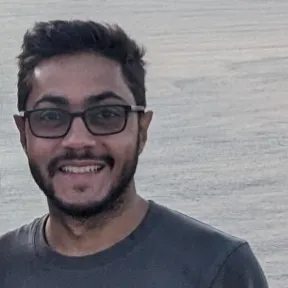
Rahim is an MBA student at Stanford GSB and co-founder of a food and agriculture logistics company in East Africa. He has previously worked across energy, industrial policy, and education globally and was also a Schwarzman Scholar.
IDIF Focus: Unlocking entrepreneurship in East Africa’s essential sectors
Local and global talent avoids pursuing entrepreneurship in emerging markets within the “basics” sectors (e.g., agriculture, manufacturing, energy, mobility, healthcare, education), which are essential for socioeconomic development. This project seeks to better understand and help address this gap, aiming to enable talent to build “basics” companies in East Africa.
Sophia Lubrano

As a practicing oil and watercolor painter, Sophia is passionate about expanding access for artists through affordable spaces and pathways to economic viability. At Stanford, she founded GSB Atelier, the school’s first visual arts club. Prior to GSB, Sophie worked in finance across fixed income investing and private equity while building a personal art practice. When her art business grew in early 2024, she struggled to find affordable studio space in New York and asked: “If someone with my economic stability hit this wall, how can a full-time artist sustain this?” That question launched her venture and commitment to building scalable solutions for working artists.
IDIF Focus: Affordable shared studio space for artists
Artists who earn less than $50K annually spend nearly 50% of their income on studio rent, with volatile income making fixed leases unsustainable. Post-pandemic, cities have 25% vacant commercial office space. This summer, Sophie will validate whether a modular shared-studio platform can activate this unused real estate while addressing artist affordability and isolation. She’ll test membership models, understand pricing elasticity, and explore how built-in gallery spaces create direct pathways to collectors. The goal is to prove this can scale across cities by unlocking both artist access to space and community and productive use of underutilized real estate.
Teju Adeyinka
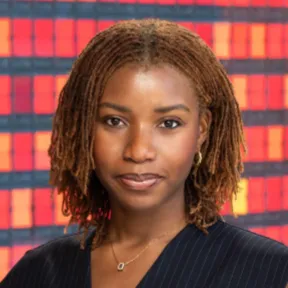
Teju is passionate about using technology to expand economic mobility for African talent. From her experience building in Nigeria’s talent ecosystem, she has seen how gaps in trust, training, infrastructure, and access to capital limit young Africans’ pathways into high-quality work, with lasting effects on income and quality of life. Through Scout, her IDIF project, Teju is exploring the role African talent can play in an AI-shaped economy, and how knowledge workers can be trained and matched into high-value opportunities.
IDIF Focus: Creating AI-resilient remote work for African talent
Scout explores what high-skilled remote work opportunities remain valuable as AI rapidly changes the labor market, especially for African talent. The project asks which tasks employers still value humans for, how workers can be trained for those tasks, and what makes matching trusted and effective. This summer, I am focusing my efforts on the Chief of Staff role because it requires judgment, ambiguity, coordination, and context: qualities often associated with AI-resilient work. I hope to learn which workflows employers need most, how to train operators for them, and how Africa can compete in the next era of work.