
The Impact Design Immersion Fellowship supports Stanford GSB’s most promising MBA social innovators.
This competitive fellowship is designed to support MBA students to build insight into a societal problem, immerse with affected communities to understand the needs of target users, test hypotheses, and prototype ideas that prioritize impact.
See the Impact Design Immersion Fellowship awardees for 2025:
Abrar Haroon

Abrar Haroon
Abrar has long been passionate about mental health, beginning in high school in Pakistan where he worked to raise awareness of rising anxiety rates among his peers. His personal connection to the issue—through the experiences of close family and friends—fuels his commitment to finding solutions. He has developed mental health support programs and explored AI applications in K–12 education in Pakistan, building on years of problem-solving experience in consulting. His work with Mercor on training AI models, combined with an engineering and computer science background, enables him to merge business vision with technical know-how to design effective mental health interventions.
IDIF Focus: Building Stress-Resilience Skills in Kids
Half of all mental health disorders begin by age 14, and three-quarters emerge before age 25 (per Stanford Center for Youth Mental Health & Wellbeing). This makes early intervention critical—yet access, cost, stigma, and lack of education remain major barriers. My project explores how to address this gap by helping children aged 8–12 build stress-resilience and coping skills. I’m focusing on understanding the potential of technology—particularly AI—to deliver engaging, safe, and scalable support, while identifying gaps where human connection remains essential.
Abu Rogers

Abu Rogers
Abu Rogers is a final year MD/MBA student and Knight-Hennessy Scholar at Stanford, on a mission to build a health tech company that puts patients first and helps them own and control their health. He brings a decade of experience across hospitals, free clinics, and global health organizations, and has published research in digital health, infectious diseases, public health delivery, and drug discovery. Raised in Sierra Leone and later living in the U.S., he saw how healthcare systems fail when patients lack access to their own information. He also saw how empowered patients and families make better decisions. His work focuses on building tools that return agency to individuals through better data access, transparency, and trust.
IDIF Focus: Empowering patients to own and share health data
Healthcare data in the U.S. is fragmented, and patients still lack control over how to access, use, or share it, despite regulations like the Cures Act. This summer, Abu is simultaneously testing two high-friction, high-need use cases for peer-to-peer health data sharing: how chronic care patients share information with caregivers to manage complex conditions, and how sexually active young adults verify a partner’s STI status. The goal is to understand how individuals engage with their health data, what drives sharing, what builds trust, and how to design tools that give people true ownership of their health information.
Aditi Singh
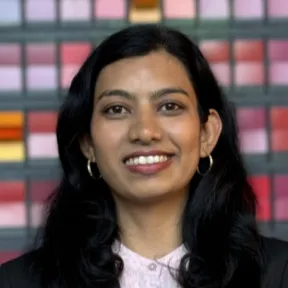
Aditi Singh
Coming from a patriarchal Indian village where education was a privilege, Aditi faced challenges pursuing opportunities traditionally unavailable to women. Her journey—from IIT to India’s biggest CPG conglomerate—has shaped her passion for creating access and breaking systemic barriers. These experiences help her understand the challenges students face when navigating educational opportunities despite societal or financial constraints. With both of her parents working as teachers in public schools in India, Aditi has firsthand insight into the systemic challenges within the education system. It motivates her to create solutions that provide students with the tools and mentorship they need to unlock their full potential.
IDIF Focus: Democratizing access to college
Aditi’s project addresses the inequity in college admissions, where high-quality guidance remains inaccessible to millions of underrepresented students. While affluent students access $5,000-$40,000 consulting packages, most students face overburdened school counselors (424:1 ratio) and fragmented resources. Aditi is building an affordable marketplace platform that connects high schoolers with trained college student mentors who provide structured, quality admissions guidance at significantly lower costs. Aditi plans to supplement this with AI-powered tools to standardize parts of the application process and ensure consistent quality, creating a scalable solution that democratizes access to effective college admissions support for all students, regardless of socioeconomic background.
Allison Sheu
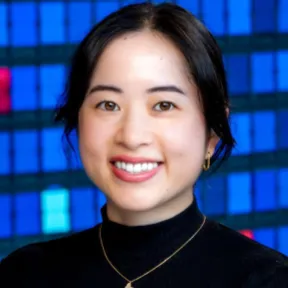
Allison Sheu
Everyone in Allison’s family has, or will have, diabetes—making the problem personal. She studied Molecular & Cell Biology and Business at UC Berkeley, and worked in biotech R&D, consulting at Bain, and healthcare investing at Advent International, where she developed AI tools for investing. She is passionate about bringing new therapies to more people and enhancing health for those affected by metabolic disease, with a focus on how technology can expand the reach of healthcare breakthroughs.
IDIF Focus: Getting better diabetes care to more people
Diabetes now affects one in ten adults worldwide and is rising sharply, driven by global trends in diet, lifestyle, and inequity. Powerful new treatments exist, but too many patients face barriers to receiving them. This summer, Allison will explore how digital health solutions, patient support tools, and partnerships can bridge the gap between breakthroughs and the people who need them most.
Celeste Bean

Celeste Bean
Celeste is a hardware/machine learning engineer with 10+ years of technical experience in machine learning, embedded systems, and human-centered AI. She holds 50+ patents and led engineering development at PlayStation R&D and Benchmark Electronics for accessible, scalable tech. Her work has won 6 hackathons and been featured at global HCI conferences. She was inspired to act after witnessing her parents’ cross-continental caregiving struggles, which fell hardest on the women in her family. Her technical leadership is grounded in a personal mission: to engineer robust systems that make caregiving less isolating, less reactive, and far more equitable.
Xinyi Tong

Xinyi Tong
Xinyi, a Fulbright scholar, brings over five years of government consulting experience, including three years at Boston Consulting Group, where she specialized in public sector strategy. A longtime volunteer in eldercare facilities since the age of 15, Xinyi now studies at Stanford and Harvard Kennedy School, focusing on scalable solutions for aging populations. Her passion for this work deepened when her mother unexpectedly became the primary caregiver for Xinyi’s grandfather—an experience that revealed how invisible and overwhelming caregiving can be. Today, Xinyi is committed to building responsible, AI-powered solutions that meet the urgent needs of aging families and strengthen system-wide preparedness.
IDIF Focus: Improving hospital discharge planning for seniors
Older adults often face fragmented, inefficient transitions from hospital to home or post-acute care. Systemic barriers like outdated communication, administrative bottlenecks, and limited coordination make it difficult for social workers and case managers to deliver timely, patient-centered support. These challenges delay care, overwhelm families, and contribute to poor outcomes. We are exploring ways to streamline and strengthen care transitions, empowering teams to spend less time on paperwork and more time with patients. Our goal is to build scalable, tech-enabled solutions that improve coordination, enhance patient experiences, and drive better health outcomes.
Charlotte Kim
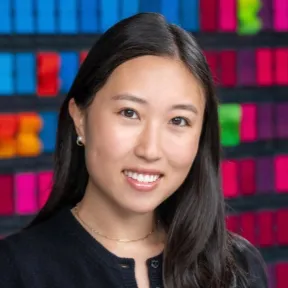
Charlotte Kim
Charlotte is an MBA candidate who is keen to inspire young professionals to give back. In the past, she mobilized volunteers through initiatives like Triple S Day (deploying 200+ college students to distribute 25,000 socks to shelters) and launching the DEED volunteering app in Boston. Prior to the GSB, she worked at three high-growth startups, two of which became unicorns during her tenure. Inspired first and foremost by her Christian faith and her consequent goal to love and serve those in need, she aspires to apply learnings from her startup experiences to channel funds toward populations that need it most.
IDIF Focus: Mobilizing young professionals to donate
Even at highly effective nonprofits, employees often spend a disproportionate amount of time fundraising. In particular, they lack the capital, resources, and time to acquire and retain young donors. At the same time, there are many frictions for young professionals who may be willing to donate. They, for instance, do not discuss giving regularly in their social circles, question nonprofits’ trustworthiness, feel overwhelmed by the options, and don’t feel equipped to evaluate nonprofits. Gen Gen Club (Generation Generosity) will seek to make giving radically more meaningful for young professionals, thereby unlocking new resources for nonprofits.
Fatma Elshenawy
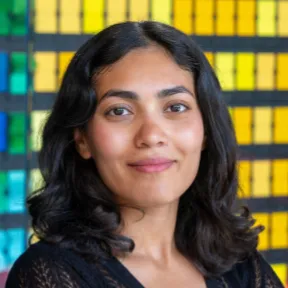
Fatma Elshenawy
Fatma is passionate about providing access to underserved communities. Before Stanford, she co-founded Khazna in her home country, Egypt. Khazna is a Fintech startup providing access to credit to the vastly underserved mid- and low-income individuals. Within the first few years of operations, Khazna scaled to 400 employees and hundreds of thousands of customers. Fatma has always had a passion for education. She revamped an English program for Arabic speaking refugees in a refugee camp in Greece, quadrupling the number of students. Fatma is an MA Education/MBA student and came to Stanford to focus on improving access to early childhood education.
IDIF Focus: Access to early childhood education in Middle East
Middle East and North Africa region lags in preschool enrollment, at almost half global average. Saudi Arabia stands out with ~20% enrollment rate for the two years before primary education. The demand and policy dynamics makes this a perfect timing to be in early childhood education in Saudi Arabia. Rapid increase in female participation in the labor force is increasing demand for childcare. The government has set a target enrollment rate of 80% by 2030. This has triggered rapid policy change, teacher training and capacity building and investment to educate parents about the importance of early childhood education.
Karen Jiang

Karen Jiang
Karen is passionate about enhancing the accessibility and dignity of healthcare for older adults. Her interest in eldercare was sparked by personal experiences watching her family navigate caregiving challenges for her grandparents. Prior to the GSB, she led go-to-market strategy at Charlie Health, a mental health startup. She helped scale the company from early days through profitability, growing it into the largest virtual provider of suicide care for young adults in the U.S. She has also spent time investing in early stage companies on the healthcare team at Bessemer Venture Partners. She is dedicated to building solutions that improve our healthcare system.
IDIF Focus: Increasing access to caregiving
The eldercare crisis affects millions of Americans: two-thirds of older adults require in-home assistance, yet 86% cannot afford it. One of the biggest barriers to affordability is hourly minimums imposed by traditional agencies, which prices out many older adults who need flexible or short-duration care. Karen will spend this summer validating and piloting fractional care solutions that eliminate hourly minimums, with the aim of making caregiving more accessible and affordable for families.
Leticia Gutiérrez Postigo
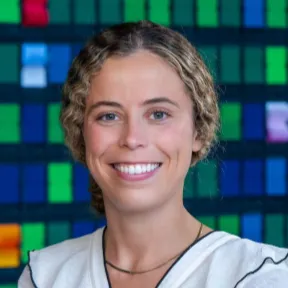
Leticia Gutiérrez Postigo
Leticia is driven by a deep commitment to helping people and to empowering others to do the same. She began her career at McKinsey & Company, where she worked across multiple industries while contributing to Ayuda Activa, McKinsey Iberia’s social impact initiative. In Spain, she founded her university’s Social Impact Club and organized large-scale fundraising events, including padel tournaments, to support causes such as poverty alleviation, education, and inclusion. She has partnered with over 20 nonprofits, mobilizing hundreds of students in country-wide efforts.
Priyanka Venkannagari
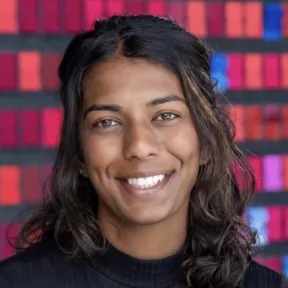
Priyanka Venkannagari
Priyanka is passionate about emerging market development and scalable innovation. She spent five years working across Kenya, Ghana, Tanzania, Rwanda, and Zambia, most recently as COO of Africa Healthcare Network, the largest provider of dialysis services in the region with over 600 employees, where she led operations and helped close a $15M Series B round. In Africa, she also consulted on diverse projects, including with the Nairobi Basketball Team, Samora Ventures (focused on food value chains), and the Vodafone Foundation. Priyanka began her career as a strategy consultant at Bain & Company, where she also supported several pro bono non-profit engagements. She holds a B.A. from Duke University in Economics, Global Health, and Entrepreneurship & Innovation, where she served as a student leader for the Social Entrepreneurship Accelerator at Duke.
IDIF Focus: Connecting African artisans to global markets
Millions of African women artisans possess heritage craft skills but struggle to access fair wages and global markets. This summer, we aim to understand artisan needs, test global consumer demand for personalized fashion, and prototype early tech-enabled solutions. Ultimately, our goal is to create economic opportunity for artisans while showcasing their talent beyond Africa’s borders.
Losania Vernanda Hedianto

Losania Vernanda Hedianto
Losania, from Indonesia, worked at Boston Consulting Group (BCG) Indonesia, focusing on go-to-market, customer-centric, and transformation projects for state-owned enterprises. She also contributed to a tech startup, Pinhome, leading growth strategy, product incubation, and strategic partnerships. Passionate about youth empowerment, rural development, and women’s advancement, childcare is close to her heart—having witnessed her mother, the first and only graduate in her family, stay home to care for her due to a lack of trusted childcare options, and seeing the same happen in the next generation with her sister caring for her nephew. She believes that through better childcare, we can create inclusive ecosystems that support women and rural communities in Indonesia.
IDIF Focus: Unlocking trusted childcare solution in Indonesia
Many Indonesian women are held back from the workforce due to caregiving burdens, lack of trusted-accessible-competent childcare services, and gendered roles. This limits their economic potential and national productivity overall. To address this, we aim to build inclusive systems with trusted, competent, accessible childcare marketplace. During the program we aim to understand and validate the potential operational model, prototype and test the market (both supply and demand) to see the market fit and potential go-to-market, and if possible do one round of end-to-end pilot to see the validity and scalability.
Maximillian Mancini
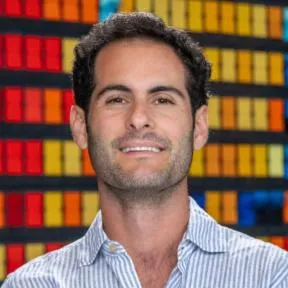
Maximillian Mancini
Maximilian began his career in healthcare M&A at Lazard’s London office, advising innovative companies serving high-income markets. In 2019, he moved to Kenya to join Ilara Health, a startup focused on improving care for underserved patients through outpatient clinics. Initially joining as an intern, he became a co-founder within three months. His experience at Ilara shaped his belief that transformative businesses can be built anywhere and that startups targeting middle-income consumers in emerging markets will mirror the success of their counterparts in developed economies. Maximilian is passionate about building products that improve quality of life for the underserved.
Rinay Picard

Rinay Picard
Rinay is an entrepreneur passionate about solving societal challenges affecting underserved communities. In 2016, he was part of the founding team at Urbvan, a shared smart mobility startup operating in over 25 cities across Mexico, focused on providing safe, affordable commutes for low- and middle-income populations. Over five years, he held multiple commercial and operational roles, ultimately serving as General Manager. Rinay led Urbvan through two acquisitions—first by Swvl (NASDAQ: SWVL) for $80M in 2022, and again in 2023 by a Mexican incumbent—managing both deals and their integrations. He has also worked in education and clean energy, reflecting his broader commitment to impact-driven work.
IDIF Focus: Improving Blue-Collar Job Access in Mexico
Each year, millions of young Mexicans enter the workforce without completing upper-secondary school - often finding work in low-quality, informal, or unstable roles with limited pathways for advancement. We are exploring the viability of a mobile-first platform designed to help these aspiring blue-collar workers identify jobs they can thrive in by improving job matching, guiding them through hiring and onboarding, and supporting workplace success in Mexico’s growing industrial economy.
Patrick Skehan

Patrick Skehan
Patrick Skehan is a first year MBA student at Stanford GSB. Prior to the GSB, he founded Nightline France, the largest NGO dedicated to youth mental health in France, directly impacting more than 250,000 students each year. Thanks to IDIF support, he is continuing to develop mental health projects for underserved populations
IDIF Focus: Preventing relapse
Relapse is a brief moment within the addiction management journey that has extreme consequences when it occurs. Preventing relapse effectively requires both continuous management on the patient’s end, as well as rapid and effective third-party support during moments of crisis. Both are difficult to access, but especially the latter, notably due to the stigmas that surround addiction. Patrick is hoping to explore this space and the possibilities provided by AI technology for better supporting these populations over the course of the summer.
Rahim Haliminski
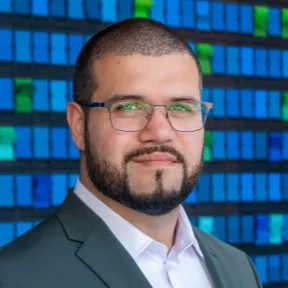
Rahim Haliminski
Rahim Haliminski has spent the past five years based in Uganda, supporting smallholder farmers through donor-funded development programs and agribusiness operations. He has overseen agricultural initiatives impacting over 60,000 farmers and managed a sesame sourcing and export operation certified for organic and social sustainability standards. With a strong commitment to rural livelihoods and agricultural innovation, Rahim is passionate about designing practical, scalable solutions that increase income opportunities for smallholder farmers. His experience spans grant fundraising, project management, supply chain operations, and farmer training programs across East Africa.
IDIF Focus: Expanding mechanization access for ugandan farmers
Smallholder farmers in Uganda, who form the backbone of rural economies, face persistent barriers to mechanized farming tools, relying heavily on manual labor that is time-consuming, inefficient, and limits crop yields. This results in chronic underproduction, income volatility, and food insecurity. Our project seeks to expand access to affordable mechanization services — such as oxen-plowing and tractor plowing — delivered through flexible financing and an asset-light service platform. Over the summer, we aim to pilot accessible service delivery models, validate user demand, and refine a sustainable, scalable model to lift smallholders out of the manual farming poverty trap
Sal Rao

Sal Rao
Sal Rao is an MBA candidate at Stanford Graduate School of Business with a background in healthcare, technology, and public policy. Raised in a family of physicians, she witnessed firsthand the inequities patients face in accessing and affording care. She previously advised Fortune 500 companies on healthcare and technology at McKinsey & Company, and later served as Head of Commerce at GlossGenius, a venture-backed software startup, where she built a 0-to-1 revenue line supporting over 80,000 small businesses and $2 billion in payments. Sal began her career in public health policy with roles at the White House, U.S. Senate, and D.C. Mayor’s Office.
IDIF Focus: Ending surprise bills for medical imaging
Millions of Americans receive surprise medical bills for imaging scans—often thousands of dollars more than necessary. Prices for the same scan can vary 10x within the same zip code, and uninsured or underinsured patients are hit hardest. Robin Health helps patients find high-quality imaging centers nearby and access fair, transparent prices. This summer, we aim to test new patient acquisition strategies, deepen our understanding of how patients make scan decisions, and refine our end-to-end coordination process. Our goal is to reduce scan costs by $100s per scan and create a more dignified, stress-free care experience for overwhelmed patients.
Simone Tess Aisiks

Simone Tess Aisiks
Simone is a Stanford MBA/MS student at the Stanford Doerr School of Sustainability. She is passionate about advancing orthopedic care and mobility solutions. After personally experiencing—and witnessing—a loved one’s long, preventable recovery, she became committed to reshaping how assistive technologies and rehabilitative care are delivered. Her background spans product development at Meta and healthcare work across pediatric, rural, and stroke-patient populations. Simone is on a mission to reimagine recovery outcomes by optimizing how quickly and effectively interventions are delivered—reducing reliance on unnecessary, unused medical equipment and empowering patients to regain mobility faster and more sustainably.
IDIF Focus: Improving Clinical Trial Access for Cancer Patients
Clinical trials often fail to enroll eligible patients due to fragmented data, limited provider capacity, and opaque eligibility criteria. My project focuses on improving how patients across cancer and other rare diseases are matched to trials by using AI to analyze unstructured health records and automate eligibility screening. This summer, I aim to test our solution with providers, site networks, and trial sponsors, and understand how patients can directly use this tool to understand their personalized treatment options. I am exploring how smarter matching and better workflows can reduce delays, improve access, and make trial enrollment more efficient and equitable.
Thresa Joy Skeslien Jenkins
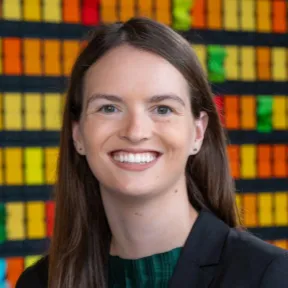
Thresa Joy Skeslien Jenkins
Thresa is a systems thinker and sixth-generation Montanan who believes talent is evenly distributed—but opportunity is not. She studied Sociology and Political Science at Rice University to understand structural barriers and community-driven solutions. At Deloitte, she spent five years specializing in HR policies and procedures, helping government and higher education clients migrate to cloud-based systems with streamlined processes and union compliance. She has extensive experience with community-based organizations, including leading over a dozen nonprofit projects focused on workforce and programmatic strategy, data, and fundraising. Thresa looks forward to deepening her connection to Montana’s entrepreneurial ecosystem and supporting local talent.
IDIF Focus: Cultivating Montana’s entrepreneurial talent
Rural Montanans possess entrepreneurial talent but face barriers including limited access to capital, training, mentorship, and fragmented support systems. Only 1 in 3 rural businesses survive past 5 years, and over 80% of rural entrepreneurs lack formal financial training. While government and nonprofit programs exist, their coordination and reach in the most rural areas remain limited. This summer, I aim to partner with these groups to identify under-resourced but high-potential individuals and prototype support models that cultivate talent and strengthen local ecosystems—building more connected rural communities where small businesses drive long-term resilience and inclusive economic opportunity.
Uma Girkar

Uma Girkar
As an undergraduate studying computer science at MIT, Uma had the chance to build an assistive device for a young boy with severe cerebral palsy. Seeing how a simple tool could transform his life sparked her interest in making the world more accessible for people with disabilities. After graduating, she began her career at Google, where she evaluated the accessibility of two Google products for users with disabilities in emerging markets, including Brazil, Mexico, South Africa, and India. Today, Uma is focused on expanding accessibility not just within the tech sector, but across the consumer packaged goods industry as well.
IDIF Focus: Making consumer goods more physically accessible
In recent years, digital accessibility in consumer packaged goods has advanced significantly, driven by innovations such as accessible QR codes and text-to-speech enabled chatbots. However, progress in physical accessibility has lagged—particularly within the consumer packaged goods (CPG) industry. Uma recently made the case for why CPG companies should prioritize designing products that are more accessible to people with disabilities, in an article published by the World Economic Forum (https://www.weforum.org/stories/2024/11/inclusive-accessible-product-design-disabilities/). This summer, she hopes to collaborate with CPG brands to improve the accessibility of their products and packaging for individuals with visual and upper limb impairments.