March 20, 2026
Being able to marry my entrepreneurial spirit with my passion for the outdoors is really a dream come true.
Editor’s Note
In this ongoing series from Stanford Business magazine, we tell the story of a manufacturing business overseen by a Stanford GSB alum.
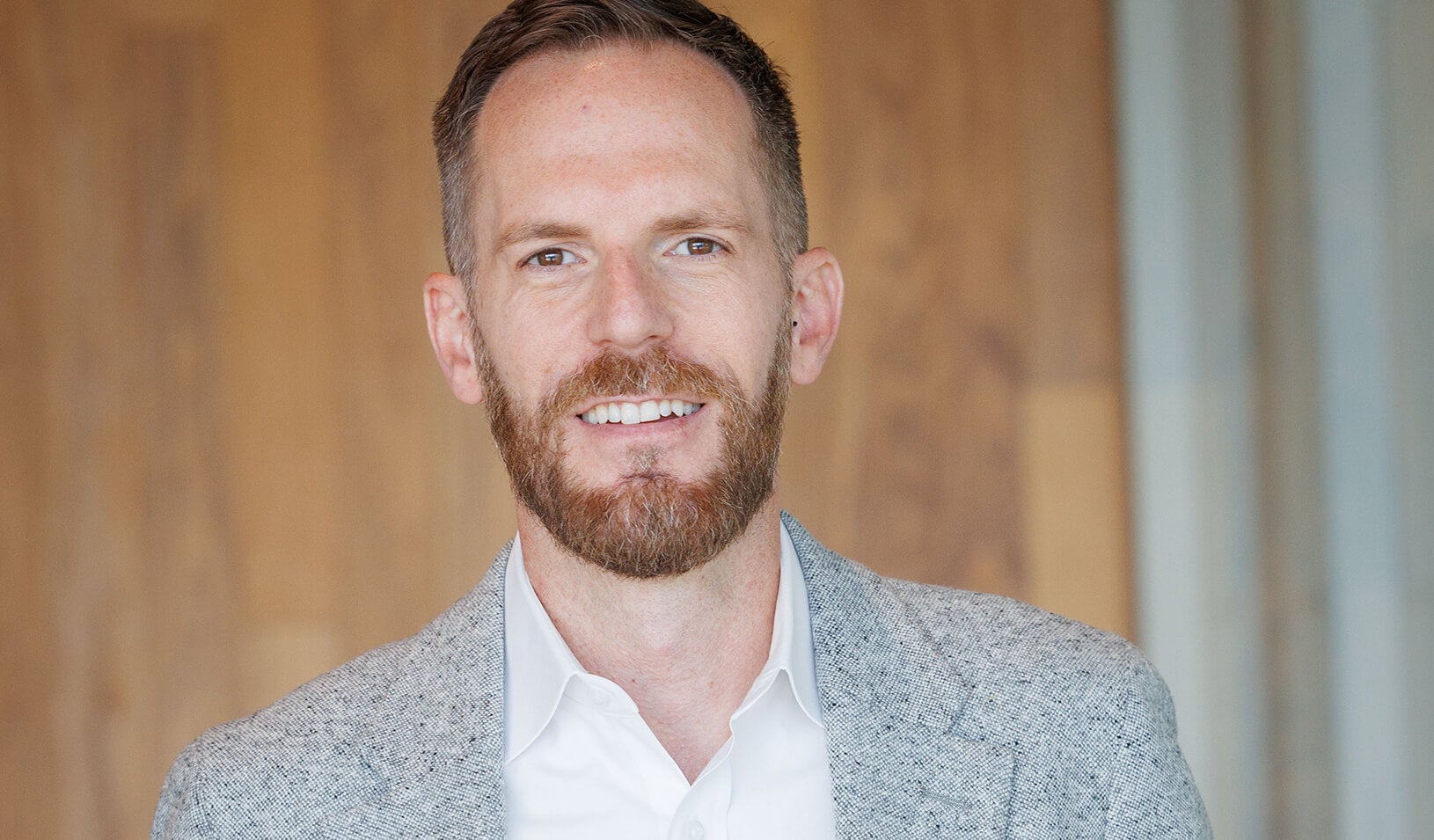
Clay Spencer, MBA ’11, is the founder of Poncho.
After college, I moved to Alaska and became a fishing guide. So I actually lived in outdoor apparel. The offerings were OK, but I certainly wasn’t in love with anything. I had a vision for a men’s outdoor shirt that could be a lot better.
I made the commitment to form the company in 2017, and it took a full year to go from idea to selling our first shirt. There was lots of back and forth, sampling, iterations, pushing on partners to hurry up. It was a very stressful year. My GSB network was invaluable in getting Poncho going — pressure testing my ideas, giving me confidence, helping with challenges.
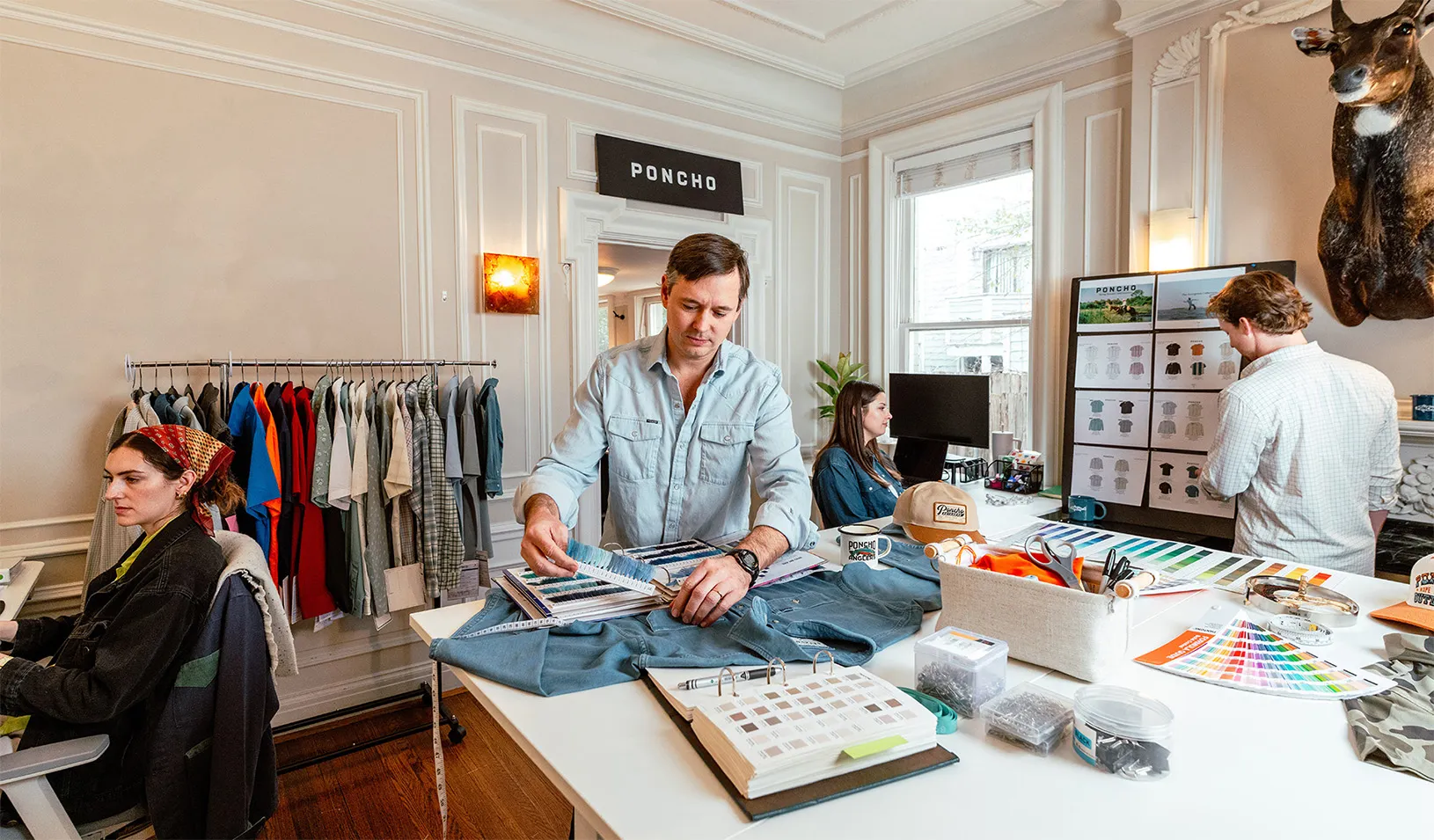
Our philosophy at Poncho is to make the very best outdoor shirt. And I cannot tell you how hard it has been to make one thing the very best. What does trying to make the very best mean? It’s the way the product fits, the way it looks, the way it functions, the way it holds up. It’s all those things. Customers care about all that stuff, so we spend a lot of time talking to our customers.
More than 40 human hands touch every Poncho shirt that’s made. Most are on the sewing line, running all these different operations. Somebody might be at one end of the line working on cuffs, somebody on another end of the line might be working on button attachments, someone might be sewing the center placket, or making a difficult turn on the collar. It’s very labor intensive; it takes two and a half times as long to make a Poncho shirt in terms of labor hours as it does a competitor’s more straightforward outdoor shirt.
Consistency of quality is a completely different game, and frankly, that is what we spend all our time on. It’s like, “You can make one shirt very well. Great.” Well, we’re trying to make the exact same shirt perfectly every time.
When your expert collar sewer gets sick or has a vacation, the line can’t stop; you have to insert someone in. If that person doesn’t sew with the exact same level of skill or they have some slight change to the tension that they’re putting on our stretchy fabric with their fingers, that can affect the outcome of the shirt. We’ve got customers who love what we make and they own 20 Poncho shirts. And when they get number 21 and there’s one little thing that’s slightly different, they know, and they’re unhappy.
In fact, the more I’ve gotten to intimately understand this process, understand all the problems that we’ve faced, see all the people who touch a shirt, it is a miracle that one shirt comes out looking properly.
We’re eight years into this journey and we are still making refinements and improvements to our shirt. I don’t know if that will ever stop. — Told to Amara Holstein
For media inquiries, visit the Newsroom.