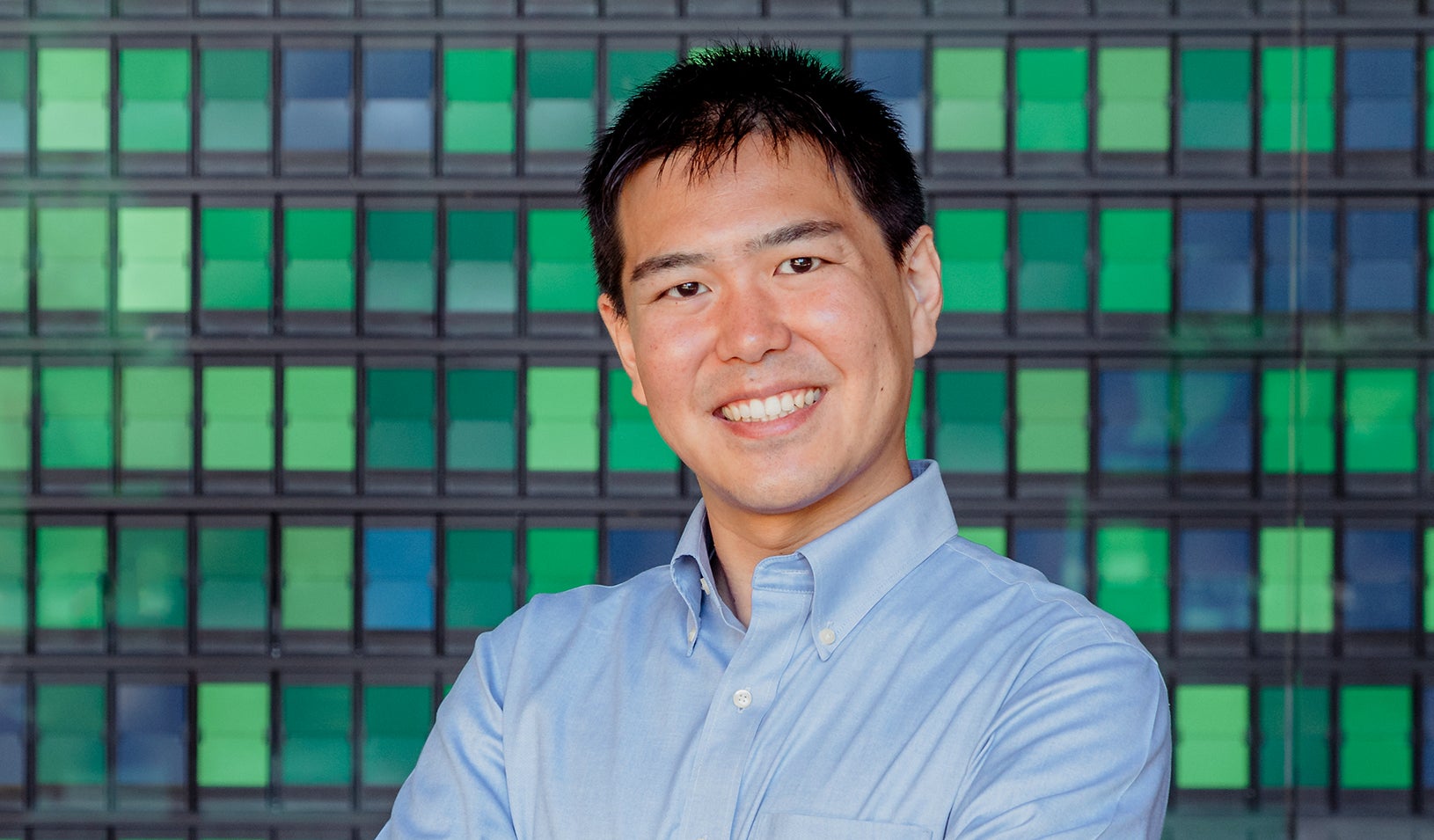
Students, entrepreneurs, scholars, and investors gather for deep conversation about the most consequential technology they may ever encounter.
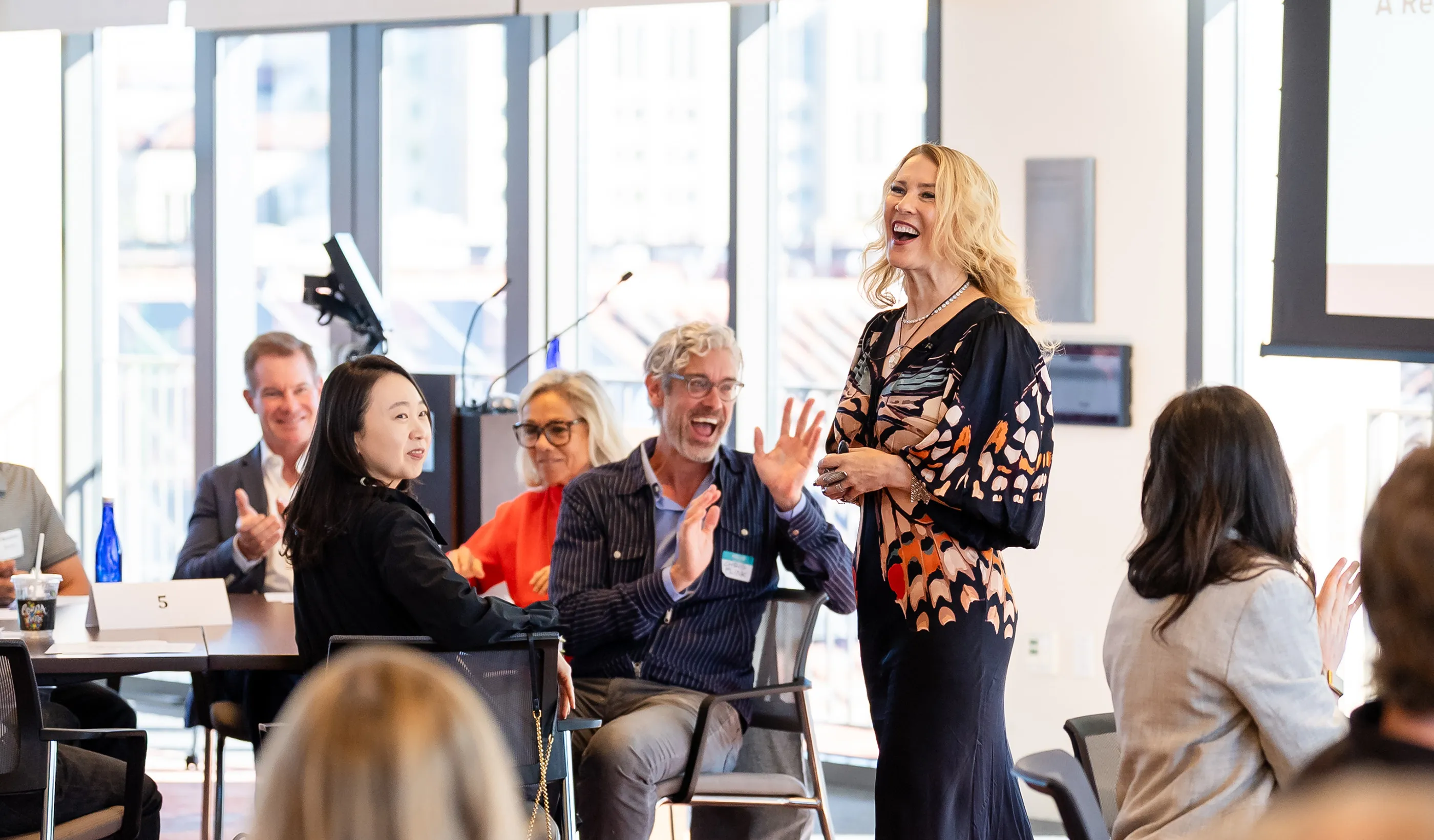
On a recent afternoon, 40 MBA students and 40 guests gathered at Stanford Graduate School of Business to discuss how AI might enhance the human experience.
“The final session is usually a presentation. This time it’s a conversation,” said Jennifer Aaker, PhD ’95, the General Atlantic Professor, at the beginning of the final session of her course AI for Human Flourishing. “We’ve never done anything like this before.”
The visitors included an internet pioneer, a neuroscientist, a professional athlete, an ambassador, a roboticist, and others who are shaping how AI is being deployed in the real world. Aaker and her teaching team paired these guests with students, creating small groups that would explore some of the most pressing questions of this remarkable moment.
It was a fitting conclusion to an ambitious course that defied easy categorization. “Jennifer has a rare gift for pulling people into the same room who have no business being in the same room and making it feel inevitable,” one of the guests observed afterward.
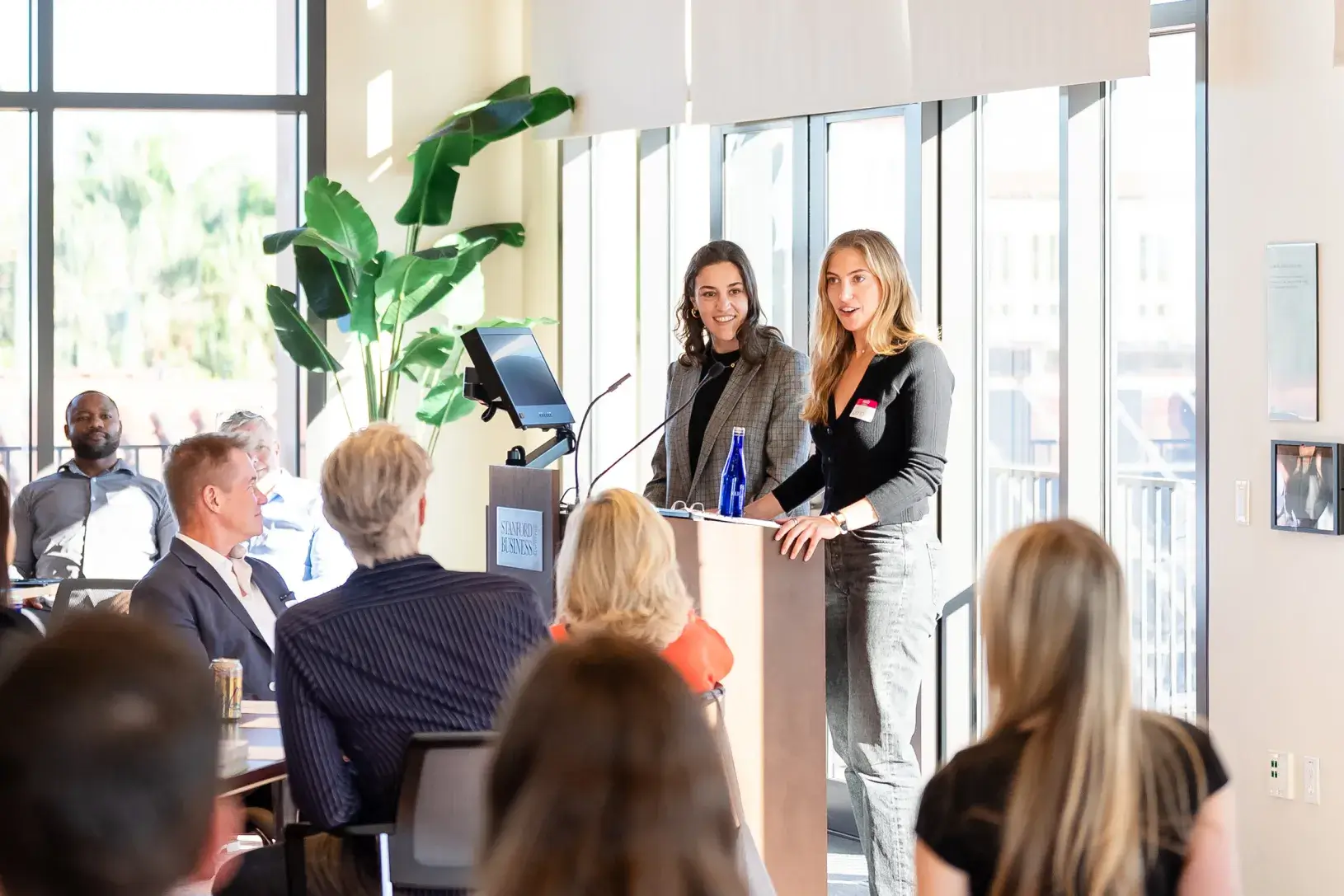
Sarah Strober (left) and Jenni Steiger, both MBA ’26, at the final session of AI for Human Flourishing. | SF Photo
AI for Human Flourishing is part of a wave of curricular innovation anchored by the school’s AI@GSB initiative. Led by MBA students — including Jenni Steiger, MBA ’26, a member of Aaker’s teaching team — in partnership with Sarah A. Soule, the Philip H. Knight Professor and Dean and Morgridge Professor of Organizational Behavior, and faculty advisors, AI@GSB aims to prepare future business leaders to think strategically and responsibly about AI. “Sarah talks about the importance of preserving human creativity, judgment, and connection in the age of AI,” says Aaker, who has been teaching about AI since 2017. “That’s exactly what we focused on in this course.”
Building AI Tools for Humans
Aaker opened AI for Human Flourishing with the question of how to live, encouraging students to contemplate what they will look back on at the end of their lives. “It’s one of the best ways to recenter people,” she says, “and the first step toward flourishing.” A life of growth, purpose, and depth, Aaker charts flourishing through five interdependent domains: discovery, pursuit, health, impact, and savoring. Using this framework, students next considered how to meaningfully integrate AI into their personal and professional operating systems. Doing so would be their next assignment.
James Joaquin (center) at the final session of AI for Human Flourishing. | SF Photo
James Joaquin, co-founder of Obvious Ventures, a venture capital firm; James Buckhouse, design partner at Sequoia Capital; Sophie Hamilton, a business director at Spotify; and teaching assistants Steiger and Sarah Strober, MBA ’26, also contributed to the architecture of the course, which was created especially for those without technical backgrounds.
“I remember when we were first setting it up,” Steiger recalls. “We were on a prep call with the crew and kept coming back to this idea of having the students build. How can you learn to flourish with AI better than by actually living it?”
The team opted to give it a shot. Using AI coding agents, MBAs would make their own ready-to-ship apps during a nearly five-hour “buildathon,” prototyping tools to address a pain point in their lives.
“What is the experience you’re trying to create, and what is that core, fundamental insight you have about human desires, human problems, and the human condition?” Buckhouse says. “These questions will only grow more important as software becomes something anyone can build.”
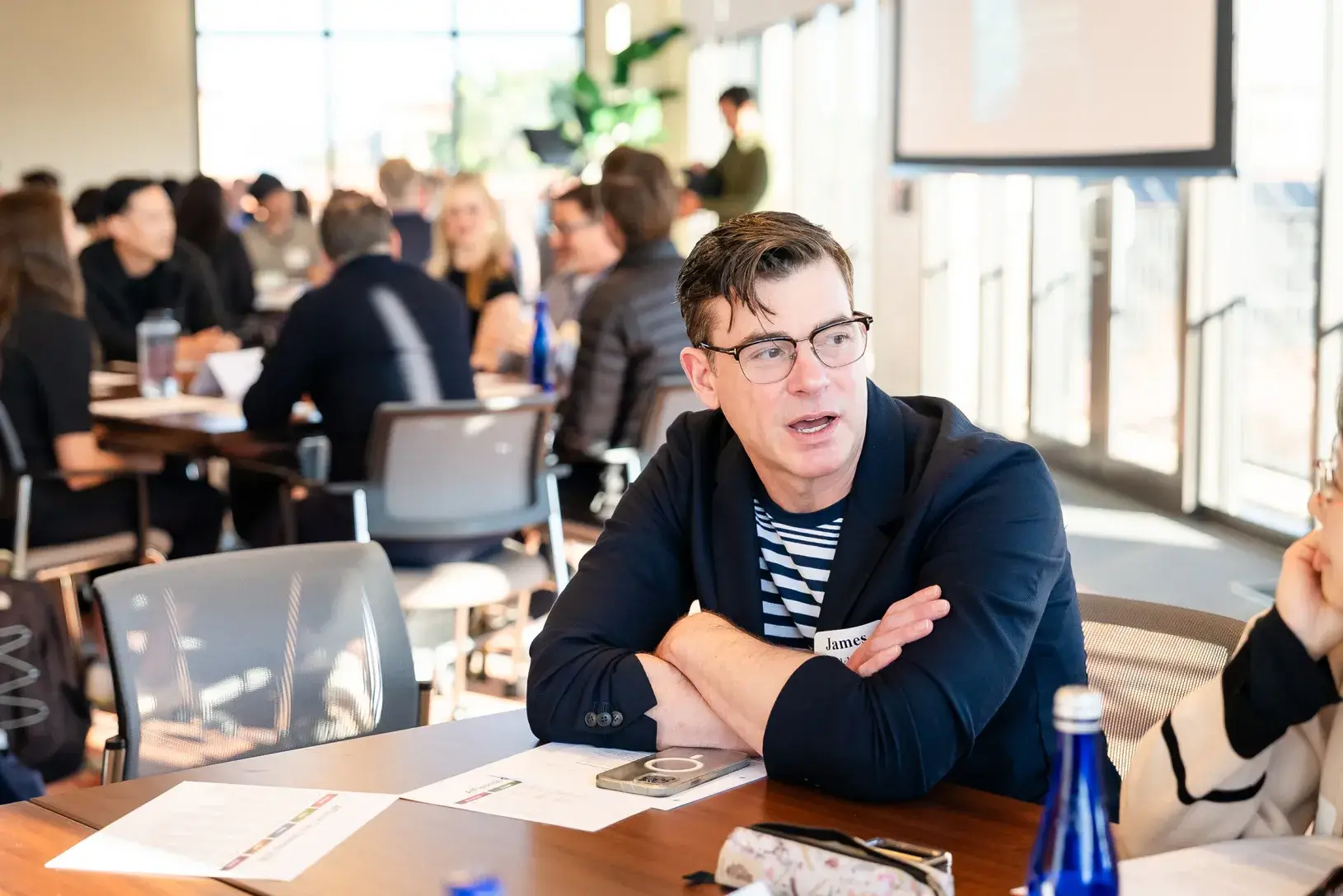
James Buckhouse at the final session of AI for Human Flourishing. | SF Photo
Projects included a cooking assistant that plans and schedules healthy meals, a tool for mining past journal entries to see how one’s thinking has evolved, and Timeback, an app that redirects hours reclaimed from social media into more purposeful habits and goals.
“English is now a programming language,” Joaquin says. “I think people are underestimating what that will do for society.”
In addition to hands-on workshops and discussions, visits from experts like Steven Johnson, the editorial director of NotebookLM and Google Labs, and field trips, including one to X, Google’s “moonshot factory,” brought the process of transforming a vision into reality into sharper focus.
For their final project, students distilled their thoughts into personal essays, which were compiled into a book that was distributed to the guests who participated in the course’s final session.
Urgent Yet Unhurried Conversations
At the closing event, entrepreneurs, scholars, investors, and students spent about an hour in deep conversation about the most consequential technology they may ever encounter. Aaker moved from one table to another, listening in on the lively, unhurried chatter. Nobody checked their phones.
As the session came to a close, Aaker shared a few quotes she’d collected from students about what they’d learned. “I used to think the future of work was about doing more,” one wrote. “Now I think it’s about protecting the ability to think about what matters.”
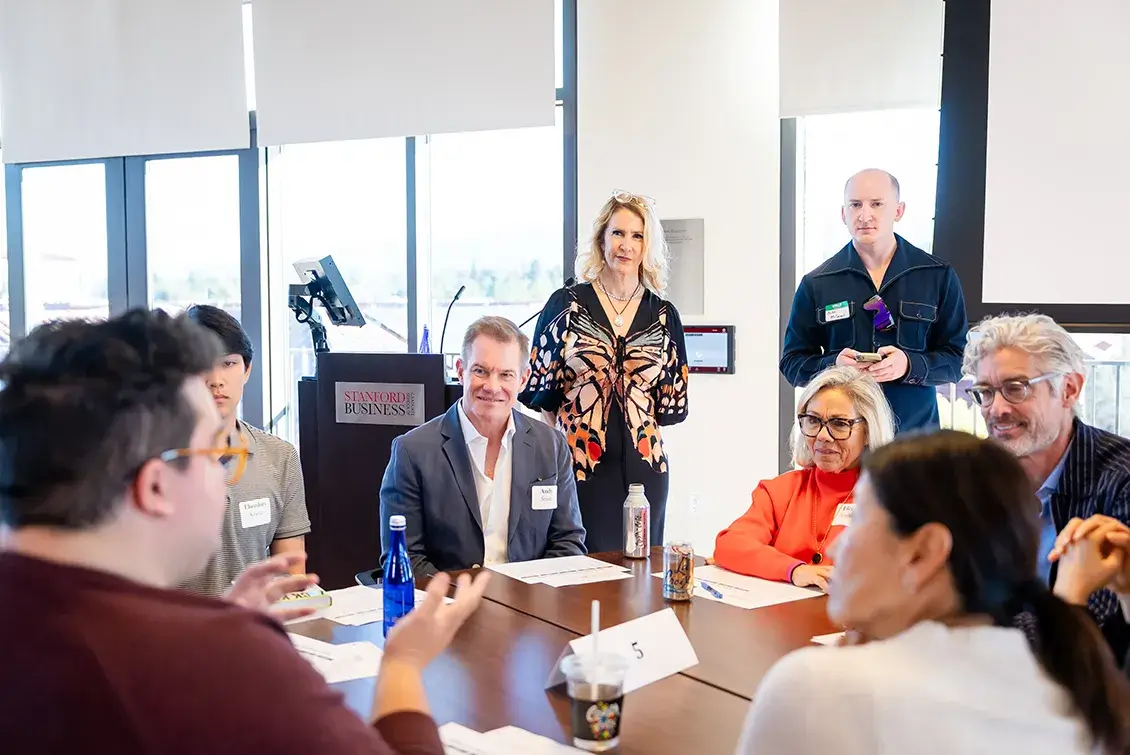
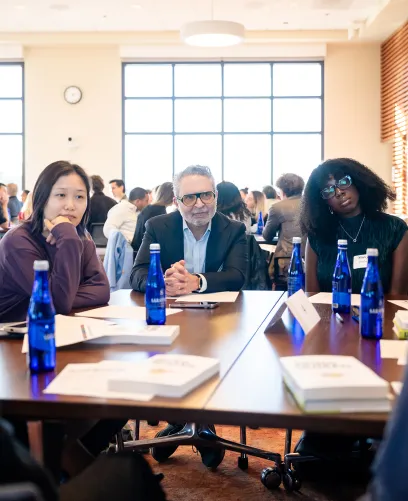
Guests and students meet during the final session of AI for Human Flourishing. | SF Photo
Many guests lingered after the event officially ended, mingling with students. “The opportunity to have a conversation is unique, and it was the perfect wrap-up,” Strober said. “The people in that room, their time is their most precious commodity, and they’re clearly prioritizing thinking about flourishing.”
Aaker plans to teach AI for Human Flourishing again in 2027, but notes that it will likely be a different experience. “I always reinvent the wheel,” she says.
Observing the students complicated Aaker’s views on friction, for one. “We love removing it, right? That’s what AI is for. But some friction, like the struggle to find the right word or figuring out how to code? That friction is learning.”
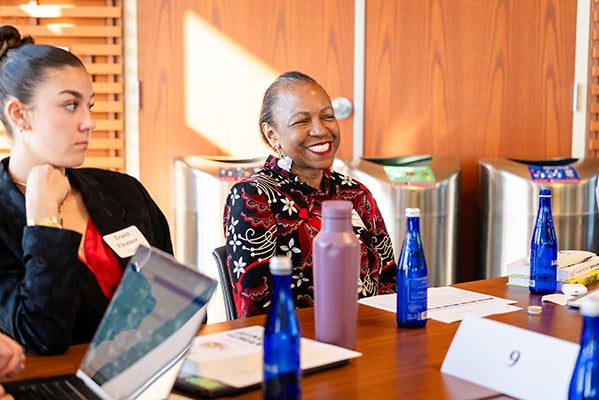
Stacy Brown-Philpot, MBA ’02 | SF Photo
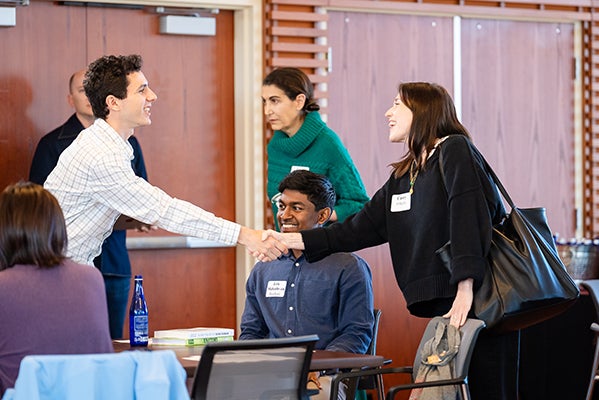
Guests and students meet during the final session of AI for Human Flourishing. | SF Photo
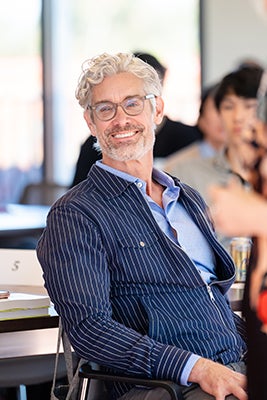
Chris Flink | SF Photo
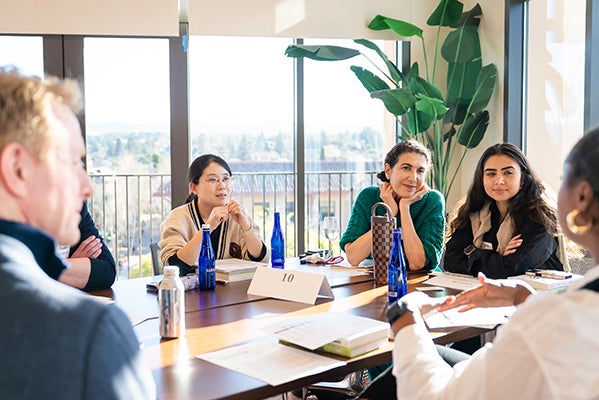
Guests and students meet during the final session of AI for Human Flourishing. | SF Photo
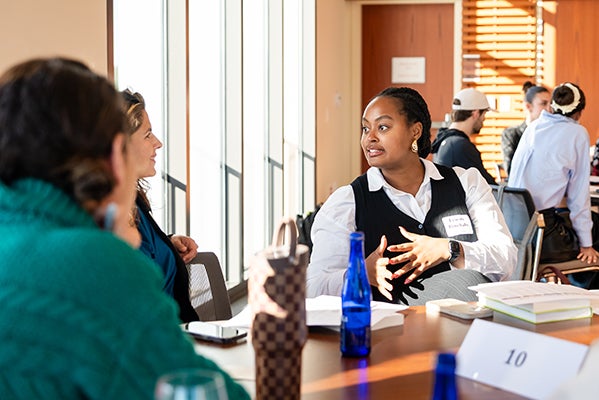
Guests and students meet during the final session of AI for Human Flourishing. | SF Photo
Explore More
How to Build Organizational Trust: 7 Strategic Leadership Skills

Learning to Be Better at Being Human
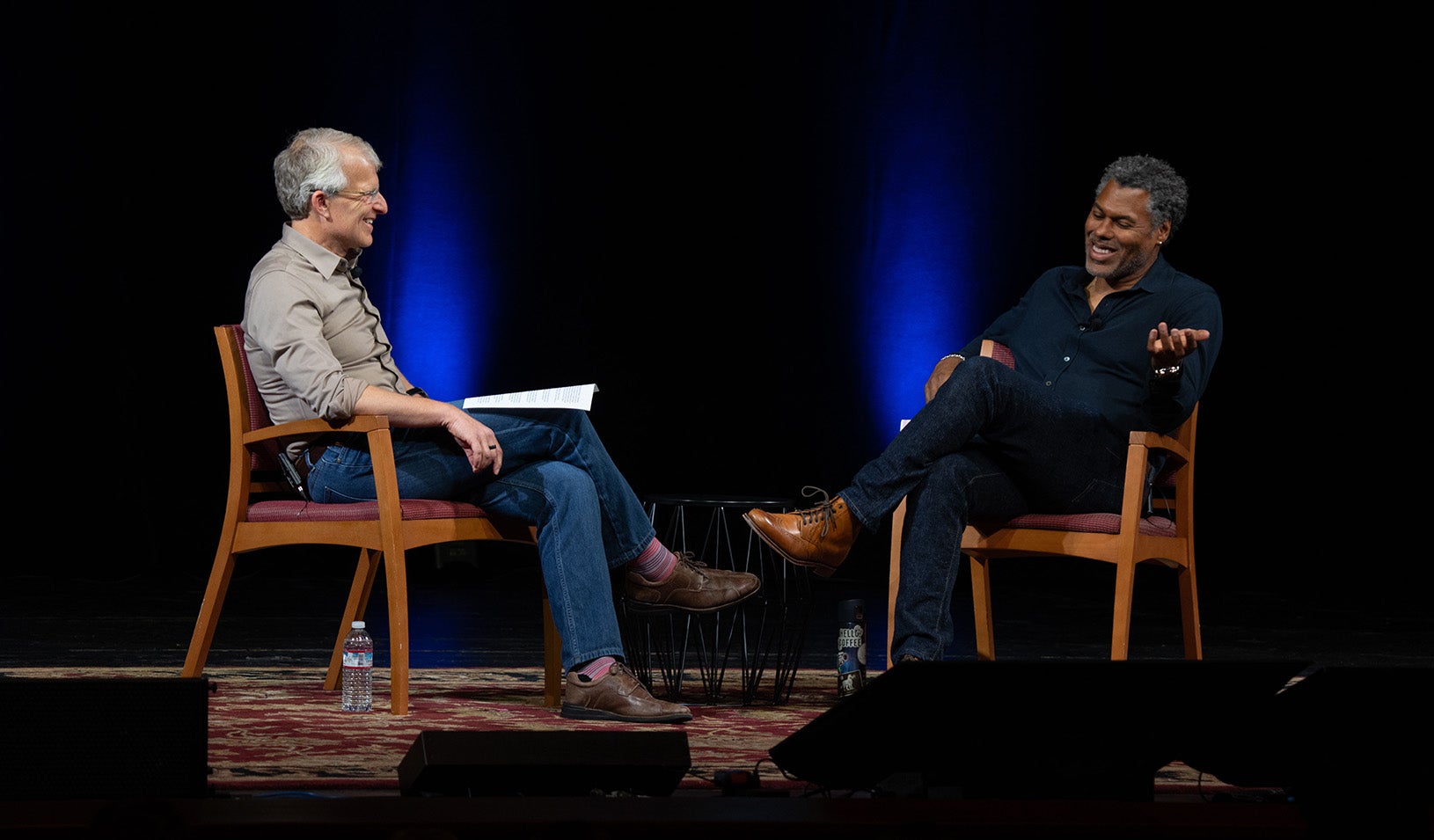
Ryo Takanashi, MBA ’25: Turning Municipal Meetings into a Playbook for the Unpredictable