
This Could Change How You Think About Every Decision You Make
The outcomes of different choices are connected, and understanding those connections can transform how we search for the right job, the right market, or the right strategy.

Great Company Culture Is More Than Creating a Nice Place to Work
Glenn Carroll and Jennifer Chatman share research-based truths about organizational culture and how to change it.
You have to have a level of empathy, especially at a leadership level, to show people that you care.
—Rokhaya Ndiaye, CEO and founder of Ro&Partners
From Downsizing to Thriving: Strategic HR in a Global Context
Idea Stories Opensearch

Idea Stories Opensearch

Idea Stories Opensearch
Video
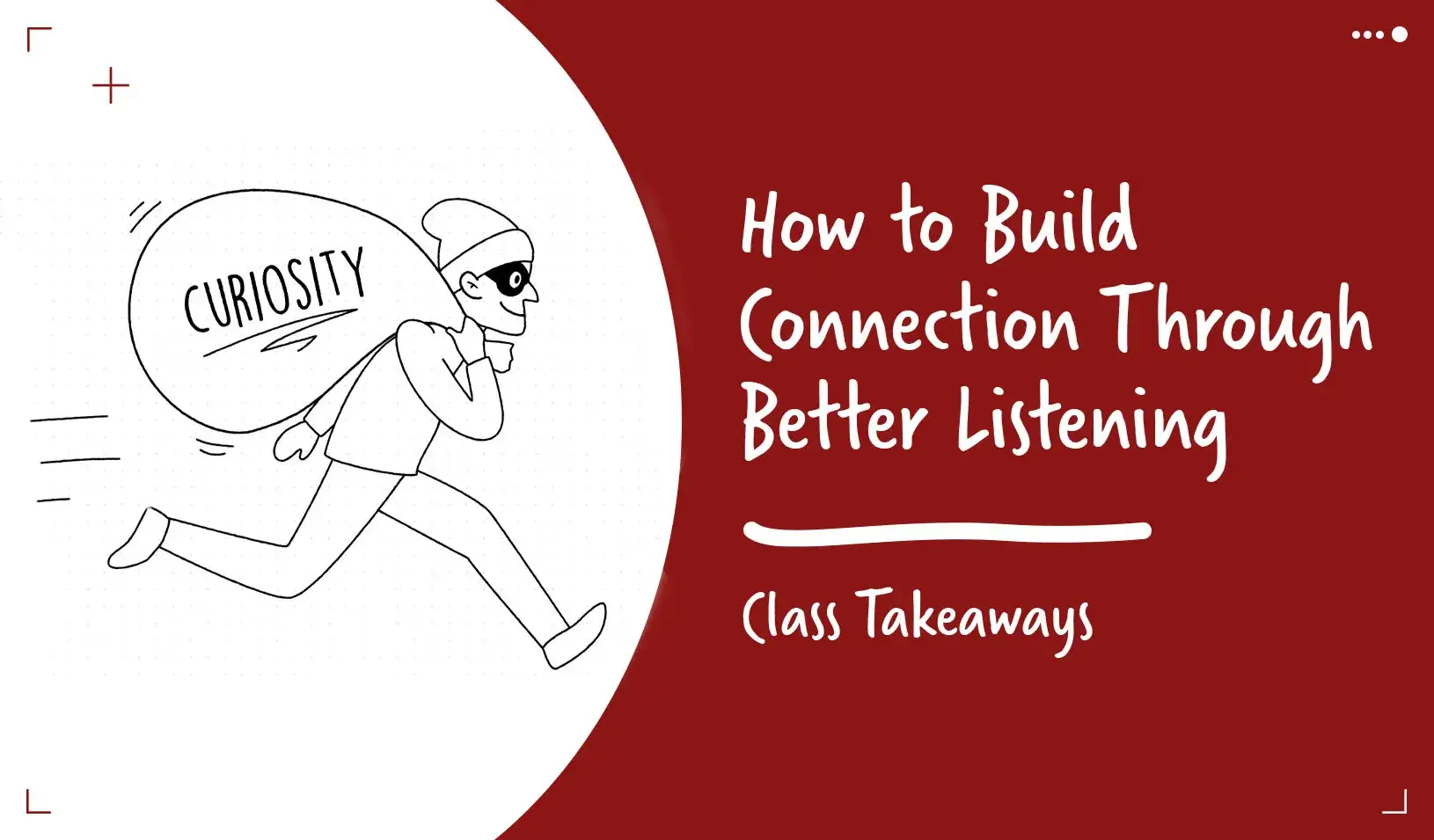
Class Takeaways — How to Build Connection Through Better Listening
Five lessons in five minutes: Professor Christian Wheeler shares how to have deeper, more productive conversations.
Executive Education
Programs Opensearch


Latest Stories in Leadership & Management
Idea Stories Opensearch
August 12, 2025
Written
Unhappy With Your Company’s Health Insurance? Your Employer May Not Care.
Many corporations are doing surprisingly little to see if their healthcare plans are keeping employees healthy.

August 06, 2025
Audio
Duolingo’s Luis von Ahn on His Vision for AI and Educating the World
“For the first time ever, with phones, we can reach billions of people,” says the language-learning app’s co-founder and CEO.

July 16, 2025
Audio
Ken Griffin on Investing, Winning, and Why He’s Focused on the Future
The Citadel founder and CEO says he still hasn’t accomplished what he’ll be remembered for.

June 25, 2025
Audio
Making Sense of the Invisible Rules That Shape Our Lives
Whether we’re managing a business or a household, understanding culture helps us navigate complexity with clarity.

June 18, 2025
Audio
Perplexity’s Aravind Srinivas on the Infinite Value of Knowledge
The co-founder and CEO of Perplexity discusses building the world’s first answer engine on View From The Top: The Podcast.

June 04, 2025
Audio
“Dream Big”: Lisa Su Talks Chips, Curiosity, and Chance
The CEO of AMD on learning, leadership, and the “extraordinary” pace of AI adoption.

June 03, 2025
Written
How Leaders Can Move From “Chaos to Clarity”
It’s never been harder to navigate the demands of leadership. But there’s hope, says Robert Siegel.

May 21, 2025
Audio
How Doug McMillon Keeps Walmart Moving Forward
The company’s longtime CEO discusses career-defining failures, culture in action, and his forward-looking mindset.

May 14, 2025
Audio
What Sushi Can Tell Us About U.S. Politics
A dietary choice or a political indicator? Signs of America’s divided political culture are everywhere.

May 09, 2025
Written
How To: Become a Capable and Caring “Badass”
Alison Fragale explains how women can succeed in the workplace without sacrificing respect.

May 07, 2025
Audio
Darren Walker on Inequality, Impact, and the Power of Vision
“To lead today, you have to have some sense of humility, of empathy for others, and an ability to put yourself in their shoes.”

April 23, 2025
Audio
Leena Nair on Leading with Empathy and Compassion
“ People never remember what you said, what you did,” says Chanel’s global CEO. “People remember how you made them feel.”

April 15, 2025
Audio
Stanford Professors Reflect on Fostering Grit & Nurturing Growth
Four professors look back on what they’ve learned about entrepreneurs in emerging markets and how it has impacted their teaching.

April 10, 2025
Audio
Roelof Botha on Why Success Is Never the Summit
The Silicon Valley investor talks about his journey from PayPal to Sequoia Capital, and why humility defines great leadership.

March 27, 2025
Written
A Decade of Data Shows Latino Entrepreneurs Growing and Adapting
The 10th annual State of Latino Entrepreneurship report finds continued growth and a new focus on AI and sustainability.

March 20, 2025
Audio
Short Takes: Growing Impact, Stitch by Stitch
Growing a fashion company can mean more than growing profits. It can be a path toward helping people and the planet thrive.
March 19, 2025
Audio
You May Not Be Who You Think You Are
Brian Lowery argues that our identities aren’t fixed, but are constantly created through our interactions and by our environments.

March 06, 2025
Written
Tapping Into the Incomparable Power of a Good Analogy
How to get beyond the “Uber of ____” cliché and make corporate comparisons that unlock strategic insights.

March 05, 2025
Audio
The Surprising Relationship Between Taxation and Innovation
Taxes aren’t just about funding the government — they influence what we buy, where we live, and even the dynamics of the global economy.

February 20, 2025
Written
Class Takeaways — Building Trust and Value Through Effective Corporate Governance
Five lessons in five minutes: Professor Chris Armstrong explains the essential principles of corporate governance.

February 06, 2025
Video
Class Takeaways — Managing Politically Complex Environments
Five Lessons in five minutes: Saumitra Jha explains the essential principles of navigating political conflict in any setting.

February 05, 2025
Audio
Is Your Job Hazardous to Your Health?
If we care about our health, then we need to reconsider the way we work.

January 31, 2025
Written
What Would You Do to Get Ahead? Depends on Why You Want to Get Ahead.
Ambition is a predictor of success. Yet the motives behind it can lead to unethical behavior.

January 28, 2025
Audio
If/Then Returns: New Episodes Debut February 5th
Big questions, bold ideas: Stanford GSB’s podcast is back for a second season.
