
This Could Change How You Think About Every Decision You Make
The outcomes of different choices are connected, and understanding those connections can transform how we search for the right job, the right market, or the right strategy.

Great Company Culture Is More Than Creating a Nice Place to Work
Glenn Carroll and Jennifer Chatman share research-based truths about organizational culture and how to change it.
You have to have a level of empathy, especially at a leadership level, to show people that you care.
—Rokhaya Ndiaye, CEO and founder of Ro&Partners
From Downsizing to Thriving: Strategic HR in a Global Context
Idea Stories Opensearch


Idea Stories Opensearch

Idea Stories Opensearch
Video
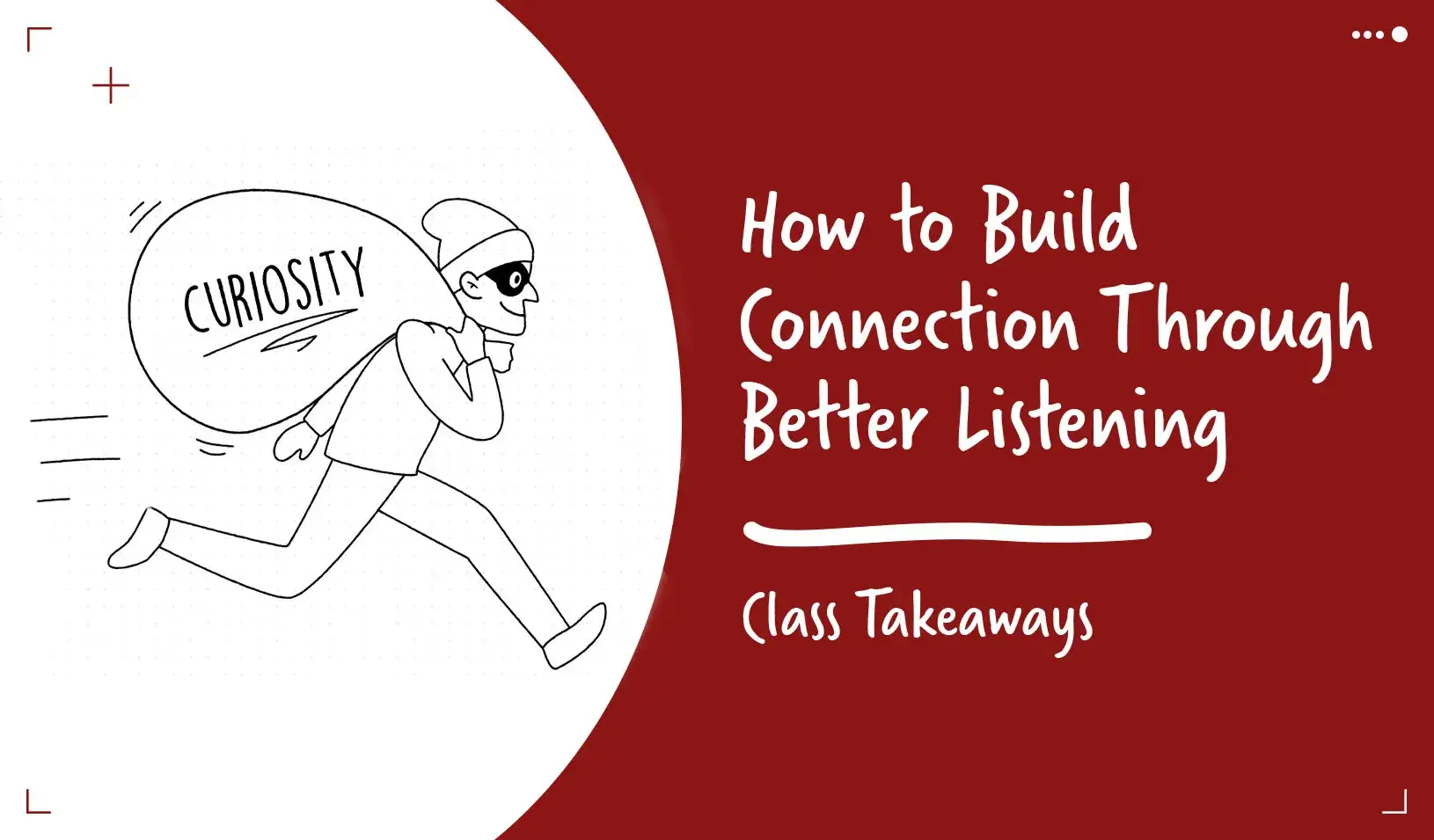
Class Takeaways — How to Build Connection Through Better Listening
Five lessons in five minutes: Professor Christian Wheeler shares how to have deeper, more productive conversations.
Executive Education
Programs Opensearch


Latest Stories in Leadership & Management
Idea Stories Opensearch
May 01, 2023
Audio
Shantanu Narayen: Generative AI Won’t Replace Human Ingenuity
The Chairman and CEO of Adobe shares his perspective on the future of technology and digital experiences.

April 25, 2023
Audio
Know What You’re Saying: How Communicating Tests Our Understanding
In this episode, Gregory LaBlanc says it’s not about what you know — it’s about how well you can communicate it.

April 25, 2023
Audio
Executive Coaching: From Self-Doubt to Self-Awareness
Taking over his family business led this African entrepreneur to seek out a coach for strategic and emotional support.

April 05, 2023
Audio
Quick Thinks: How Others Define Us
In this bonus episode, Brian Lowery discusses his new book, Selfless: The Social Creation of You.
April 04, 2023
Audio
Pivot, Adapt, Grow: Building a Fashion Brand in Kenya
A “warrior for economic growth” describes how the fashion industry can boost African communities’ well-being.

March 28, 2023
Audio
You Need a Manifesto: How to Communicate Your Convictions
In this episode, the d.school’s Charlotte Burgess-Auburn explains the power of crafting your own personal manifesto.
March 21, 2023
Audio
It’s Not About You: Why Effective Communicators Put Others First
In this episode, Nancy Duarte explains why the audience is the real hero of your presentation.

March 17, 2023
Audio
Brian Chesky on Managing Through Crisis and Uncertainty
In this podcast episode, the co-founder and CEO of Airbnb discusses how to gain customer loyalty and offers lessons in crisis management.

March 15, 2023
Written
When It Comes to Half-Truths, No News Is Bad News
Does prohibiting managers from issuing incomplete disclosures lead them to reveal more information?

March 14, 2023
Audio
Fact or Fiction? How to Communicate When We Hold Different Beliefs
In this episode, Seema Yasmin explains what to do when we disagree about our deepest-held beliefs.
March 14, 2023
Audio
Short Takes: Sweet Success — Can You Build an Ice Cream Unicorn in India?
The keys to sweet success for an ice cream business in India? Day-to-day discipline and execution.
March 07, 2023
Written
How Consumers Reacted to 2020’s Flood of Corporate “Confessions”
Flipping the PR playbook by admitting wrongdoing can improve a firm’s image and mobilize support for social causes, according to new research.

February 23, 2023
Audio
Cynt Marshall: Workplace Culture as a Measure of Success
In this View From The Top episode, the CEO of the Dallas Mavericks shares why it takes a diverse and inclusive workplace culture to get things done.

February 21, 2023
Audio
Short Takes: From Farms to Forks
For this entrepreneur, moving from Kenyan farms to forks can be a delicious — and profitable — journey.
February 15, 2023
Audio
Three Guiding Principles for Successful Communication
In this episode, Matt Abrahams shares top takeaways from 75 episodes and answers listeners’ questions.
February 09, 2023
Audio
Tristan Walker, MBA ’10,“Values Are Universal”
The founder and CEO of Walker & Company shares lessons from the most challenging, and most rewarding, years of his career.

January 24, 2023
Audio
Change My Mind: Using “Pre-suasion” to Influence Others
In this episode, psychology expert Bob Cialdini reveals the inner workings of social influence and persuasion.
January 12, 2023
Audio
Love & Money: How to Talk About Big Decisions Together
In this podcast episode, Myra Strober and Abby Davisson share a framework to help us communicate professional goals with those we care about most.
December 16, 2022
Video
Class Takeaways — Essentials of Strategic Communication
Five lessons in five minutes: lecturer Matt Abrahams offers frameworks for successfully crafting your message.

December 12, 2022
Written
A Dozen of Our Favorite Research Stories of 2022
A sampling of the big ideas and timely research produced by Stanford GSB faculty this year.

December 12, 2022
Written
Our Favorite Stories About Careers and Success in 2022
Eleven articles to help you work, lead, and collaborate better.

December 07, 2022
Written
Blazing Questions: As Wildfires Intensify, Who Bears the Cost and Manages the Danger?
GSB conference highlights the difficulty of allocating risk and assigning responsibility.

December 06, 2022
Audio
Listen Up: Why It’s Better to Be Interested than Interesting
In this episode, Alison Wood Brooks reveals the secret to having better conversations.
December 06, 2022
Video
Class Takeaways — The Human Factor
Five lessons in five minutes: Professor Szu-chi Huang on how humans make decisions and get motivated.
